Skip to content

Reviews

10 Best Bathroom Window Ideas for Privacy?

A private bathroom should still feel bright, calm, and connected to the outdoors. Choosing the right bathroom window can achieve that balance without sacrificing comfort. Frosted glass, textured panes, clerestory designs, and carefully placed awning windows offer useful privacy. Each option behaves differently as sunlight changes.

Matt Risinger, builder and host of The Build Show, often stresses this practical principle: “A window is part of the building envelope, not just a hole in the wall.” His point matters here. Moisture, ventilation, glazing, and installation must work together. A beautiful window can still fail if condensation gathers on the frame or water reaches the wall cavity. Small details matter.

This guide explores ten bathroom window ideas for privacy, including smart glass, top-hinged windows, glass blocks, and interior shutters. It considers real bathroom conditions, such as steam on the mirror, wet hands, and low winter sunlight. Some choices provide privacy but reduce ventilation. Others welcome daylight but need blinds after dark. There is no perfect option.

Think about the view from outside. Check the window height from the sidewalk, garden, or neighboring building. Test glass samples beside your tiles. The difference can be surprising. Also, do not rely on frosted film alone in every situation; installation quality and nighttime lighting can change what people see. A little uncertainty is worth noticing. Good design leaves room for adjustment, maintenance, and honest reflection.
10 Best Bathroom Window Ideas for Privacy?

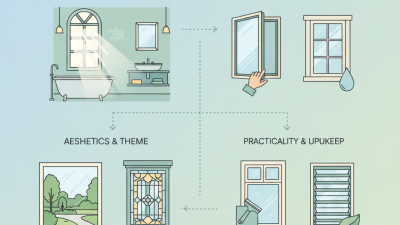
Bathroom Window Privacy: Key Design Goals and Planning Factors

Bathroom window privacy should begin with sightlines, not decoration. Stand inside the room at night, with lights on, and inspect every angle. A nearby second-floor window may still reveal movement. Privacy glass, frosted film, textured glazing, and high-set windows each control visibility differently.

Daylight remains valuable, but large clear glass can increase heat and glare. The U.S. Department of Energy reports that windows may cause 25–30% of residential heating and cooling energy use. Therefore, select low-emissivity glazing where climate and budget justify it. Operable windows can support fresh air, yet they need secure hardware and water-resistant frames. In practice, I have seen attractive curtains fail quickly beside wet shower zones. Fabric alone is rarely enough.

Ventilation deserves equal attention. ASHRAE Standard 62.2-2022 identifies 50 cubic feet per minute for intermittent bathroom exhaust, or 20 cubic feet per minute continuously. A window cannot replace effective mechanical ventilation, especially after hot showers. Keep the sill outside direct spray when possible. Provide a slight slope for drainage, and seal corners carefully. The U.S. Environmental Protection Agency links persistent indoor moisture with mold growth, so condensation deserves regular inspection. Privacy planning also needs cleaning access, emergency egress review, and nighttime testing. A perfect design on paper may feel exposed after installation. Recheck it from the street.

Frosted and Obscured Glass Options for Natural Light

10 Best Bathroom Window Ideas for Privacy: Frosted and Obscured Glass Options for Natural Light

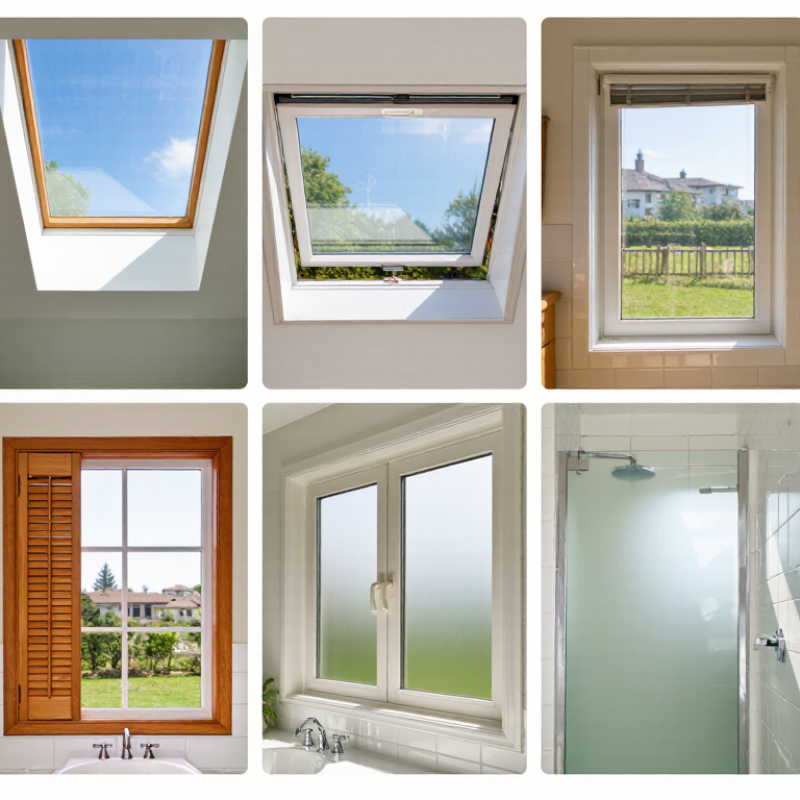
Frosted glass offers privacy without turning a bathroom into a dark box. Its matte surface scatters daylight across walls, reducing harsh shadows near the mirror. Textured glass works similarly, but its patterns can create a stronger decorative effect. Choose dense textures for street-facing windows. Lighter textures may reveal silhouettes at night.

The U.S. Department of Energy reports that windows can represent 25–30% of residential heating and cooling energy use. A well-insulated bathroom window therefore matters beyond appearance. Look for low-emissivity glazing and a suitable U-factor, then check the visible transmittance rating. The National Fenestration Rating Council explains that visible transmittance measures how much daylight passes through glazing. Higher values usually provide a brighter room.

Privacy depends on more than glass. Window height, curtains, exterior lighting, and nearby buildings also matter. Laminated obscured glass can improve sound control and safety, while acid-etched surfaces usually provide consistent privacy. Keep ventilation in mind, because condensation can damage surrounding finishes. I would avoid choosing glass from a small sample alone. Bathroom light changes throughout the day, and some patterns look private in a showroom but reveal movement after sunset. A temporary sample against the actual window can expose that mistake before installation.

Window Treatments for Flexible Bathroom Privacy Control

Bathroom privacy should change with the hour, not remain permanently closed. Top-down, bottom-up shades offer useful flexibility. Daylight enters through the upper glass, while the lower section stays covered. Frosted window film provides constant privacy without blocking much light. Moisture-resistant roller shades, café curtains, and interior shutters add different levels of control. For a narrow bathroom window, a half-height treatment may feel less crowded than full coverage.

Energy performance also matters. The U.S. Department of Energy reports that windows can account for 25–30% of residential heating and cooling energy use. A lined shade or insulated cellular treatment can reduce unwanted heat transfer. The U.S. Environmental Protection Agency recommends keeping indoor humidity between 30% and 50%, so bathroom fabrics should dry quickly and resist mildew. Condensation still happens. Even a well-planned window can need ventilation and regular cleaning.

Tips: Choose washable materials and stainless hardware. Test privacy at night with the bathroom light switched on. A sample may look opaque in daylight but reveal silhouettes after dark. Check the window’s direction before choosing a solar film; strong west-facing sun can make the room uncomfortably warm. For small spaces, use light colors and mount treatments carefully to preserve daylight. I would not rely on one solution alone. Layering film with a movable shade offers better control, although it costs more and needs occasional adjustment.

10 Best Bathroom Window Ideas for Privacy — Window Treatments for Flexible Bathroom Privacy Control

No. Window Privacy Idea Privacy Control Natural Light Ventilation Access Moisture Suitability Cleaning & Maintenance Typical U.S. Cost Range Best Use Case
1 Frosted Privacy Window Film High High, diffused Full access if the window opens Excellent when properly installed Wipe with a soft, non-abrasive cloth; avoid ammonia-based cleaners $20–$150 for materials and basic installation Permanent daytime privacy with strong daylight transmission
2 Top-Down Cellular Shade High and adjustable Medium to high, depending on fabric Usually full access to the lower sash Good with moisture-resistant fabric; keep away from standing water Dust lightly or vacuum with a brush attachment $150–$600 per window Bathrooms needing privacy from eye level while preserving upper-window light
3 Water-Resistant Roller Shade High when fully lowered Low to high, based on fabric openness Limited while lowered; full access when raised Very good with vinyl or moisture-resistant synthetic fabric Wipe clean; allow the shade to dry before rolling it up $80–$350 per window Simple, compact privacy control for small or narrow windows
4 Interior Shutters with Adjustable Louvers High and adjustable Medium to high with louvers tilted open Moderate; panels may need to be opened Easy to wipe, especially with synthetic or composite materials $250–$1,000 per window Durable bathrooms where precise light and privacy adjustment is important
5 Textured or Patterned Privacy Glass High and permanent Medium to high, depending on texture Full access if installed in an operable window Similar to ordinary glass; clean with non-abrasive glass cleaner $250–$900 per window replacement or panel Remodels seeking a built-in solution with no fabric to maintain
6 Cafe Curtain on a Tension or Curtain Rod Medium to high Medium to high above the curtain Full access above or below the curtain Good with polyester or other washable fabric Machine-wash or launder regularly to control moisture and mildew $25–$180 per window Traditional or casual bathrooms with flexible, low-cost coverage
7 Adjustable Sheer or Light-Filtering Curtain Medium to high High, softened Full access when panels are opened Good with washable synthetic fabric; less suitable beside direct splash zones Wash periodically and maintain clearance from wet surfaces $40–$250 per window Large bathroom windows where softness and easy repositioning are priorities
8 Dual-Layer Day-Night Shade Very high and flexible Low to high through separate fabric sections Limited while lowered; full access when raised Use moisture-resistant materials and dust gently Light vacuuming or professional cleaning, depending on fabric $250–$900 per window Bathrooms requiring both daytime light filtering and nighttime privacy
9 Switchable Privacy Glass or Film Very high, on demand High when clear; low to medium when opaque Full access if used on an operable window Clean like glass; protect electrical components from direct water Professional installation is normally recommended $800–$2,500+ per window Modern bathrooms needing instant privacy at the touch of a switch
10 External Privacy Screen or Louvered Shutter High Medium to high, depending on spacing Full interior access and ventilation Excellent when made from weather-resistant materials Inspect hardware and rinse away outdoor dirt periodically $150–$1,200 per window Ground-floor bathrooms where outdoor privacy is the main concern
Cost note: The prices shown are broad typical U.S. residential ranges for materials and, where applicable, basic installation. Actual costs vary by window size, material, operating mechanism, labor rates, electrical work, and local building requirements.

Creative Window Styles for Small and Large Bathrooms

10 Best Bathroom Window Ideas for Privacy

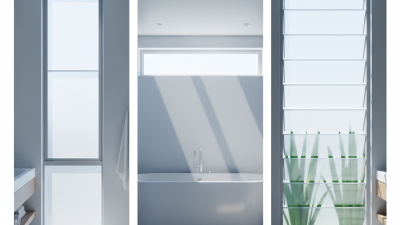
Small bathrooms benefit from high-set clerestory windows. They bring daylight above eye level without exposing the shower area. Frosted or reeded glass softens the view and creates a quieter atmosphere. A narrow awning window can also improve ventilation. Keep the opening away from direct splash zones, and choose moisture-resistant frames.

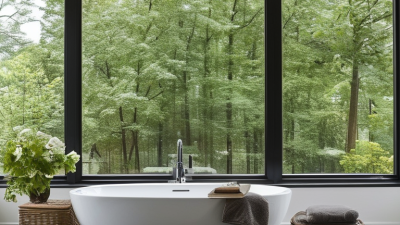
Large bathrooms allow more expressive layouts. Try a wide transom above the bathtub, paired with privacy glass. A corner window can frame trees while reducing direct sightlines from neighboring homes. Skylights offer another option, especially when wall space is limited. Add an interior shade for nighttime control. It is easy to forget that privacy changes with season and lighting.

The U.S. Department of Energy reports that windows can represent 25–30% of residential heating and cooling energy use. For this reason, select efficient glazing and carefully sealed frames, not only attractive glass. The National Kitchen & Bath Association’s design research also continues to emphasize wellness and natural light in bathroom planning. Still, daylight is not automatically comfortable. I once preferred clear glass, then noticed silhouettes after sunset. That mistake changed my approach. Test samples beside your actual lighting before installation. Local building requirements may also call for safety glazing near tubs and showers. Good design leaves room for correction.

Safety, Moisture Resistance, and Maintenance Considerations

10 Best Bathroom Window Ideas for Privacy

Bathroom windows need more than a stylish appearance. Frosted glass, textured glass, high windows, and adjustable shutters can protect privacy without blocking daylight. For ground-level bathrooms, laminated or tempered glass adds valuable safety, especially near showers and bathtubs. Avoid placing opening hardware where wet hands may slip.

Moisture changes the practical choice. Select frames that resist swelling, corrosion, and mold, such as well-sealed vinyl, fiberglass, or properly finished metal. Wood can work, but it needs careful sealing and regular inspection.

Use waterproof trim around the opening. A small gap can let steam reach the wall cavity. Good ventilation matters too. Even privacy glass will not prevent condensation.

Keep maintenance simple. Smooth surfaces collect less soap residue, while removable screens make cleaning easier. Check caulking every year for cracks, soft spots, or dark staining. Privacy film can be useful, but poorly installed film may trap moisture around its edges. I once underestimated that detail. It looked neat at first.

Clean gently.

A practical design should survive daily showers, not only photographs. Consider whether someone can safely open the window during an emergency. Also check that curtains, blinds, or shutters dry quickly after use. I prefer fewer moving parts, although that choice can reduce ventilation flexibility. A bathroom window may need occasional adjustment as seasons, humidity, and household habits change.