 Skip to content
Serving Minnesota & Iowa for over 25 years
What Is the Best China Bathroom Window for Global Buyers?
Choosing the best China bathroom window for global buyers requires more than comparing frame colors, prices, or catalog photographs. Climate, ventilation, privacy, installation quality, and certification must work together. A window facing a humid coastal bathroom faces different risks from one installed in a cold continental apartment. That detail matters.
The 2024 UNEP Global Status Report for Buildings and Construction states that buildings consumed about 32% of global energy in 2023 and produced approximately 34% of global carbon emissions. This data strengthens the case for better-performing windows, not simply cheaper products. Buyers should examine U-value, solar heat gain coefficient, air leakage, water resistance, and visible transmittance. These indicators help compare performance across climates and project types.
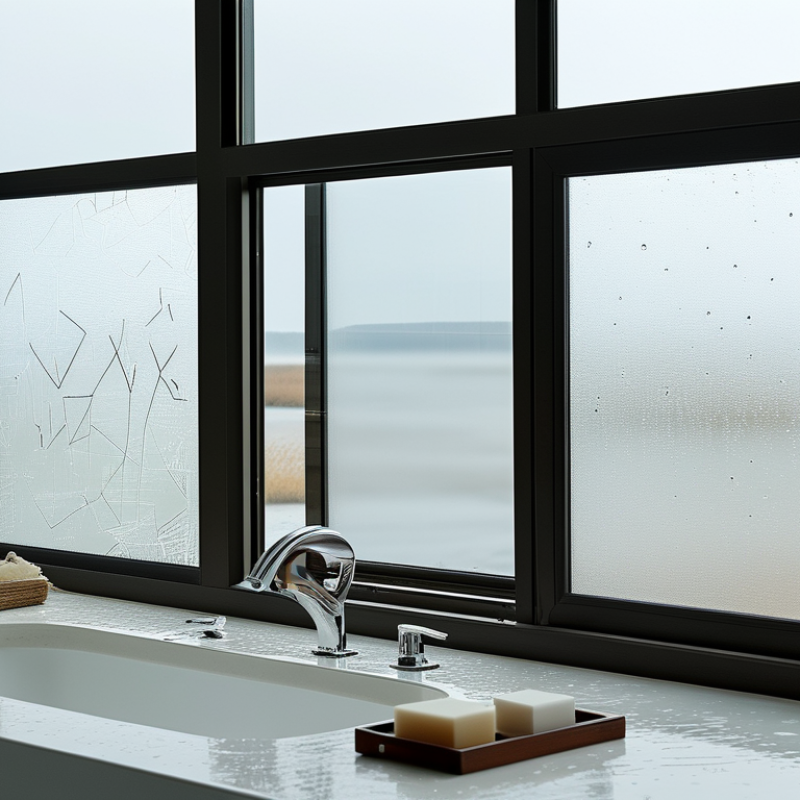
For a bathroom window, moisture management deserves equal attention. Low-E glazing can reduce heat transfer, while frosted, acid-etched, or patterned glass can provide daylight without sacrificing privacy. Operable designs may improve airflow, but hardware must resist corrosion and repeated cleaning. NFRC rating methods, ENERGY STAR guidance, and applicable regional standards can support more reliable comparisons. However, certifications should be verified for the exact product, not assumed from a factory brochure.
No single specification wins everywhere. A triple-glazed unit may perform well in a cold region, yet create unnecessary cost in a mild climate. A visually attractive aluminum frame may also feel uncomfortable without a thermal break. I would not pretend that factory capability alone guarantees field performance. Packaging, drainage design, installation tolerances, and after-sales support can change the final result. The best bathroom window is therefore a documented, climate-appropriate solution, tested for real use and selected with careful professional review.
What Defines the Best China Bathroom Window for Global Buyers?
What Defines the Best China Bathroom Window for Global Buyers?
The best China bathroom window is not simply the cheapest or most attractive option. It must control moisture, provide privacy, and perform reliably in changing climates. Buyers should check frame material, glass specification, drainage design, and hardware quality before comparing prices. A window may look excellent in a showroom but fail after months of steam exposure.
For humid bathrooms, corrosion-resistant hardware matters greatly. Powder-coated aluminum, uPVC, or treated timber can suit different projects. Obscure glass allows daylight while protecting personal privacy. Tempered or laminated safety glass is also important, especially in family homes and hotels. Ask for air-tightness, water-tightness, wind-load, and thermal-performance test documents. These records should match the actual window series, not a similar sample.
Installation details define real performance. Confirm wall thickness, opening direction, sill slope, screen options, and local safety requirements. A strong supplier should provide drawings, packing standards, inspection records, and clear replacement terms. Communication matters too. Measurements should use consistent units, and every specification should appear in the purchase contract. I have seen attractive quotations hide weak drainage details. That risk is easy to miss. No window is perfect, and a minor design compromise may be acceptable for a budget renovation. It becomes costly in a high-rise project exposed to strong wind and driving rain. Global buyers should inspect samples carefully, test moving parts repeatedly, and request independent checks when the project value justifies them.
What Is the Best China Bathroom Window for Global Buyers? - What Defines the Best China Bathroom Window for Global Buyers?
| Window Type | Typical Glazing Configuration | Frame Material | Typical Thermal Transmittance U-Value Range |
Ventilation Performance | Water and Moisture Considerations | Privacy Options | Best Global Use Case |
|---|---|---|---|---|---|---|---|
| Top-Hung Awning Window | Single, laminated, or double insulating glass; low-emissivity coating can be specified | Aluminium, uPVC, or thermally broken aluminium | Approximately 1.4–5.8 W/m²K, depending on frame and glazing | Strong ventilation during light rain because the sash opens outward from the bottom | Requires reliable perimeter seals, drainage channels, and correctly installed flashing | Obscure glass, laminated privacy glass, or internal blinds | Bathrooms in temperate, humid, and rainy climates where controlled ventilation is important |
| Side-Hung Casement Window | Single or double insulating glass; laminated safety glass is suitable where impact risk exists | uPVC, aluminium, or timber-aluminium composite | Approximately 1.3–5.8 W/m²K, depending on the complete window assembly | High ventilation potential with a large effective opening area | Multi-point locking and compression seals help reduce air and water leakage | Frosted, patterned, or laminated glass; privacy film may also be used | Projects prioritizing ventilation, daylight, and a broad range of standard sizes |
| Sliding Window | Single or double insulating glass; laminated or obscure glass options are available | Aluminium, thermally broken aluminium, or uPVC | Approximately 1.6–6.0 W/m²K, with performance affected by the sliding track design | Moderate ventilation; only part of the opening is available at one time | Track drainage and weep holes must remain clear; compression sealing is generally lower than in hinged windows | Obscure glass, privacy film, or built-in blinds | Compact bathrooms where the sash must not project into a walkway or narrow exterior space |
| Fixed Picture Window | Double or triple insulating glass; low-emissivity glass is commonly used for improved energy performance | uPVC, aluminium, thermally broken aluminium, or composite | Approximately 0.7–5.5 W/m²K, depending mainly on glazing and frame design | No natural ventilation; must be paired with an exhaust fan or another opening window | Few moving joints can reduce air leakage, but perimeter drainage and installation detailing remain essential | Obscure, acid-etched, laminated, or patterned glass | High daylight requirements where mechanical bathroom ventilation is already provided |
| Hopper Window | Single or double insulating glass; safety glass is recommended where the sill is low | uPVC, aluminium, or thermally broken aluminium | Approximately 1.4–5.8 W/m²K, depending on the frame and glass specification | Good lower-level airflow; the inward-opening sash needs interior clearance | Use moisture-resistant hardware and protect the interior sill from condensation and splashing | Frosted or patterned glass is commonly selected for low-level bathroom openings | Small bathrooms, basement bathrooms, and installations requiring secure lower-level ventilation |
| Louvered Window | Multiple glass or aluminium blades; privacy blades can be specified | Aluminium or corrosion-resistant coated metal | Generally higher heat transfer and air leakage than insulated glazed windows | Excellent continuous ventilation, even with a relatively small overall opening | Not ideal for exposed locations unless the system has tested weather-resistance performance | Frosted blades, angled blades, and privacy-oriented blade profiles | Warm climates where airflow is more important than maximum thermal insulation |
| Thermally Broken Aluminium Window | Double or triple insulating glass with low-emissivity coating and inert-gas cavity options | Aluminium frame with a polyamide thermal break | Approximately 1.0–3.0 W/m²K for the complete window, subject to design and testing | Depends on the selected opening style; casement and awning formats provide strong airflow | Durable in humid environments when the finish, fasteners, seals, and drainage are correctly specified | Obscure, laminated, low-reflectance, or solar-control glass | Hot, cold, coastal, and high-humidity markets requiring durability and improved energy efficiency |
| uPVC Tilt-and-Turn Window | Double or triple insulating glass; laminated safety glass and low-emissivity coatings are available | Multi-chamber uPVC | Approximately 0.8–2.0 W/m²K for many insulated configurations | Tilting provides secure background ventilation; turning provides a larger opening for rapid air exchange | Good resistance to moisture when reinforced profiles, gaskets, drainage, and hardware are correctly specified | Obscure glass, laminated glass, integrated blinds, or privacy film | Cold and mixed climates requiring energy efficiency, secure ventilation, and easy cleaning access |
Performance values are indicative ranges for comparison only. Actual results depend on window size, glazing, frame design, hardware, installation quality, and local test requirements. Global buyers should request complete-window test data for air permeability, watertightness, wind resistance, thermal performance, safety glazing, and corrosion resistance where relevant.
Related Posts
-
Best Ways to Choose Bathroom Window Styles for Your Home
-
Top Bathroom Window Designs for Your Home Improvement Needs?
-

Transform Your Space: Innovative Bathroom Makeover Ideas for a Stunning Refresh
-
Top 10 Benefits of Walk in Bathtubs for Your Home Design?
-
Why Choose Exterior Sliding Doors for Your Home Upgrade?
-
Discover the Benefits of Walk In Tub Clearance for Seniors and Mobility Challenges