The 10 Best French Door Installation Tips for Beginners
Installing a french door can dramatically transform your living space. It creates an airy feel and enhances natural light in your home. However, the process may seem daunting, especially for beginners. Many pitfalls await, from measuring incorrectly to choosing unsuitable materials. Without proper guidance, mistakes can lead to frustration and added expenses.
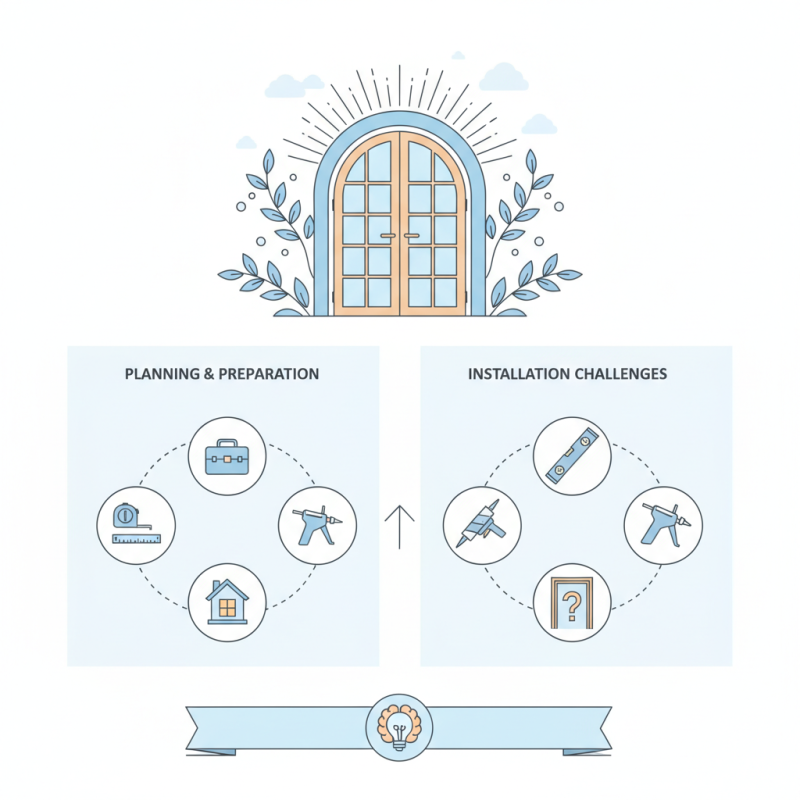
A successful french door installation requires careful planning and attention to detail. Selecting the right door style is crucial. There are many options, and each has its features. Beginners often overlook the significance of tools and preparation. Gather all necessary tools beforehand to streamline the process. Additionally, understanding your space helps ensure a proper fit.
Even the simplest tasks can become complex. Some may struggle with leveling or sealing the door. These are common challenges that necessitate patience and perseverance. Be prepared to address these imperfections as you learn. Every installation journey is unique, and learning from mistakes will ultimately lead to greater skill.
Understanding French Door Types and Their Installation Requirements
When considering a French door installation, it’s essential to understand the different types available.
Sliding French doors slide open on tracks, while hinged doors swing outwards, offering a more classic look. Each type requires specific measurements and hinge placements. Knowing the differences will guide you in choosing the best option for your home.
Before installation, check the door frame condition. If the frame is warped or damaged, it can complicate the process. Additionally, proper weather stripping is crucial. Gaps can lead to drafts and increased energy costs. Often, beginners underestimate this aspect. It’s worth spending extra time to ensure a tight seal.
Also, consider the door materials. Wood, fiberglass, and steel each have unique installation requirements. Wood is beautiful but may need more maintenance. Fiberglass offers durability, while steel can provide better security. Weighing these factors can be challenging, but your choice will impact both aesthetics and functionality. Embrace the learning curve; mistakes can be part of the process.
Essential Tools and Materials for Installing French Doors Efficiently
When installing French doors, having the right tools and materials is crucial for a successful project. Start with a quality level. According to the National Association of Home Builders (NAHB), a level ensures that doors hang properly, reducing future alignment issues. You will also need a tape measure for precise measurements. Accurate dimensions can save you from costly mistakes. Missing even an eighth of an inch can lead to gaps or misalignment.
Additionally, there are essential materials you should gather. Look for sturdy door frames and weather stripping. Proper weather stripping can improve energy efficiency by up to 15%, according to the U.S. Department of Energy. You will also need screws, hinges, and caulk. Each of these components plays a vital role in the durability and aesthetics of the installation. Moreover, be prepared for unforeseen challenges. Imperfections in walls can complicate the installation process, so be ready to make adjustments.
Having these tools and materials will make the installation smoother. Still, even seasoned DIYers encounter obstacles. Dust, uneven surfaces, and unexpected door sizes may arise. Embrace these challenges as part of the journey. Each experience, even the frustrating ones, contributes to your learning.
Step-by-Step Guide to Accurate Measurement for French Door Frames
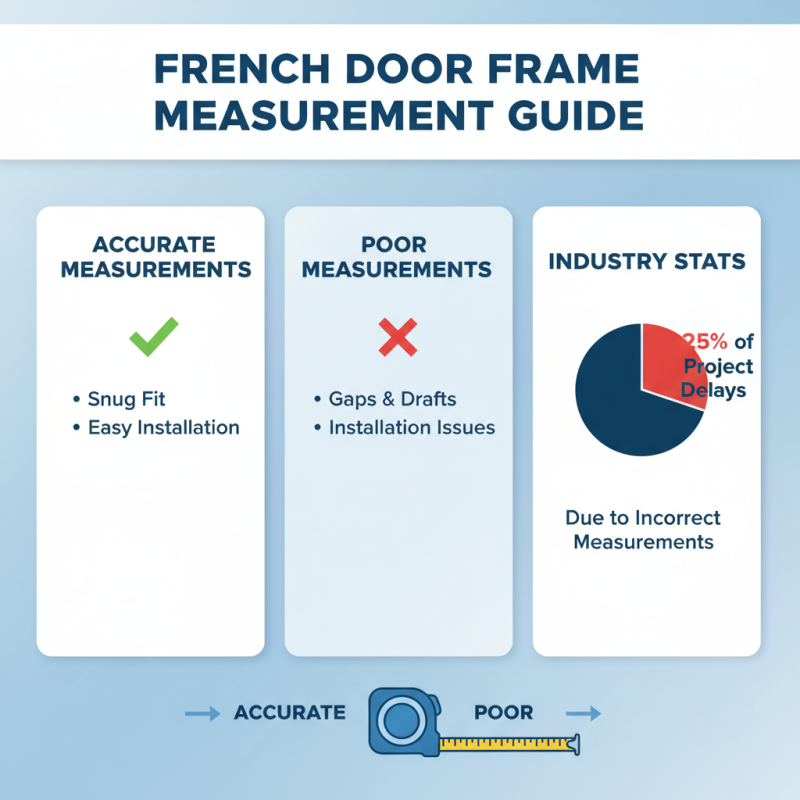
Measuring for French door frames requires attention to detail. Accurate measurements ensure a snug fit. Poor measurements can lead to gaps or installation issues. According to industry reports, incorrect measurements are a major reason for project delays, accounting for nearly 25% of installation problems.
To begin, measure the width and height of the door opening. Use a level to check for plumb and square. A small miscalculation can result in significant issues down the line. Double-check numbers, as a simple typo can set your project back. Many experts suggest measuring three times to confirm accuracy.
When marking measurements, use a fine pencil for clarity. Avoid using bulky tools that can obscure the markings. A tape measure should add precision, as even minor differences can lead to errors. Some installers recommend keeping a notepad for reference. This habit can prevent confusion, especially with complex dimensions. Don't underestimate the power of careful planning and vigilance.
Common Mistakes to Avoid During French Door Installation
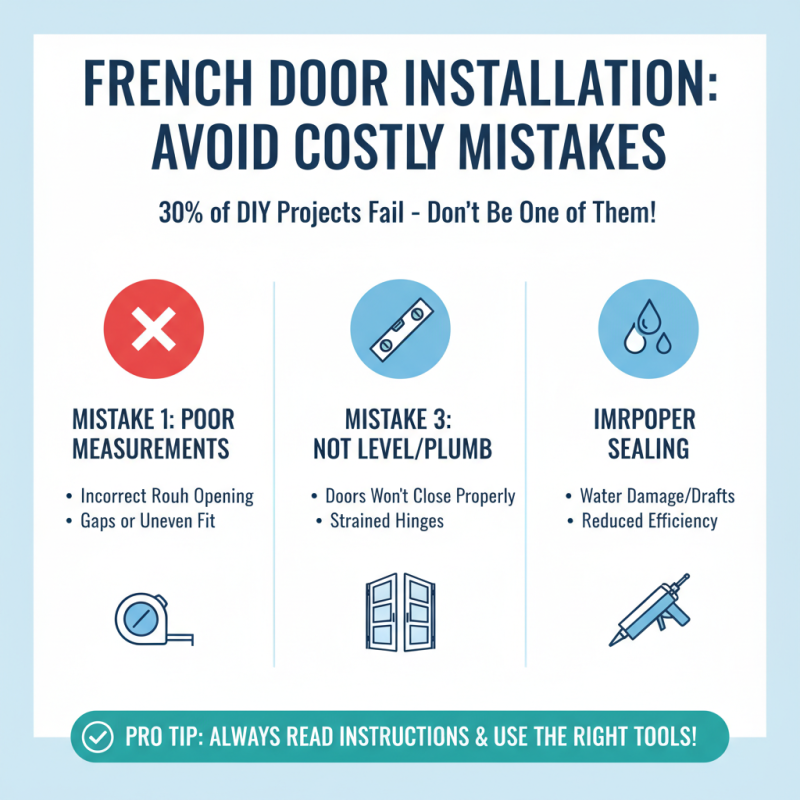
Installing French doors can enhance the beauty and functionality of your home. However, many beginners make common mistakes that can lead to costly repairs and dissatisfaction. A recent survey showed that over 30% of DIY home improvement projects fail because of improper installation techniques.
One common error is neglecting to measure accurately. Electronic measuring tools have become commonplace, yet about 25% of homeowners still rely on outdated methods. This leads to misalignment, causing doors to stick or not close properly. Ensuring a level floor is crucial too. If the ground isn’t level, the doors may swing open or closed unexpectedly. It's essential to double-check your workspace.
Another mistake is focusing too much on aesthetics while ignoring functionality. Many choose attractive designs without considering energy efficiency. According to industry data, poorly insulated doors can increase heating and cooling costs by up to 30%. Ensuring a proper seal is vital. Failing in this area not only affects comfort but can lead to mold growth. Reflection on these points is necessary for a successful installation.
Safety Tips and Best Practices for Beginner Installers
When installing French doors, safety should be your top priority. Always wear protective gear. Gloves and safety glasses are essential. If you’re using power tools, ensure they are in good condition. Double-check that your workspace is clear of clutter. A safe environment reduces the risk of accidents significantly.
Familiarize yourself with the installation instructions thoroughly. Take your time to understand each step. Misreading a small detail can lead to mistakes that may cost a lot to fix. Measure twice, cut once is a golden rule. If you feel uncertain at any point, don’t hesitate to reach out for help. It’s okay to ask for assistance from someone more experienced. They can provide useful insights.
Pay attention to the alignment of the doors during installation. Misaligned doors can cause energy loss and make them hard to open. Inspect the frame once everything is in place. Check for gaps or misalignments. Reflect on your work and see if there’s room for improvement in your technique. Each installation is a learning opportunity, and this experience will help you grow as a DIY installer.
The 10 Best French Door Installation Tips for Beginners - Safety Tips and Best Practices for Beginner Installers
| Tip Number |
Installation Tip |
Safety Consideration |
Best Practice |
| 1 |
Measure Twice, Cut Once |
Ensure accurate measurements |
Use a reliable measuring tool |
| 2 |
Wear Safety Glasses |
Protect your eyes from debris |
Always have safety gear on-hand |
| 3 |
Check Door Swing Direction |
Avoid conflicts with surrounding elements |
Plan the layout before installation |
| 4 |
Use a Level Tool |
Ensure proper alignment |
Check both vertically and horizontally |
| 5 |
Secure a Helper |
Avoid potential accidents |
Have assistance for heavy lifting |
| 6 |
Install Weatherstripping |
Prevent air leaks and water damage |
Maintain energy efficiency |
| 7 |
Test the Door Operation |
Ensure smooth opening and closing |
Adjust hinges if necessary |
| 8 |
Follow Manufacturer Instructions |
Avoid safety risks from errors |
Consult the manual as a primary resource |
| 9 |
Keep the Work Area Clean |
Reduce trip hazards |
Remove debris regularly during installation |
| 10 |
Schedule Breaks |
Prevent fatigue-related accidents |
Stay refreshed and focused on the task |
 Skip to content