Serving Minnesota & Iowa for over 25 years
Installing a front door is more than just a simple home improvement task; it significantly impacts your home's security and energy efficiency. According to a report by the National Association of Realtors, 76% of homeowners believe that quality front door installation is essential for enhancing curb appeal and overall property value. A well-installed door can reduce energy costs by up to 25%, according to the U.S. Department of Energy.
However, many homeowners embark on this project without thorough preparation. In a recent survey, nearly 40% of DIY enthusiasts admitted to making installation errors that compromised their door's performance. Recognizing common pitfalls is crucial to achieving a successful front door installation. The goal is not just to replace an old door but also to ensure the new one meets both aesthetic preferences and functional needs.
By following expert advice and understanding the installation process, homeowners can increase their front door's longevity and effectiveness. Emphasizing proper technique and attention to detail can lead to safer homes and greater satisfaction. The following tips aim to guide you through this critical installation process, ensuring both functionality and style are achieved.
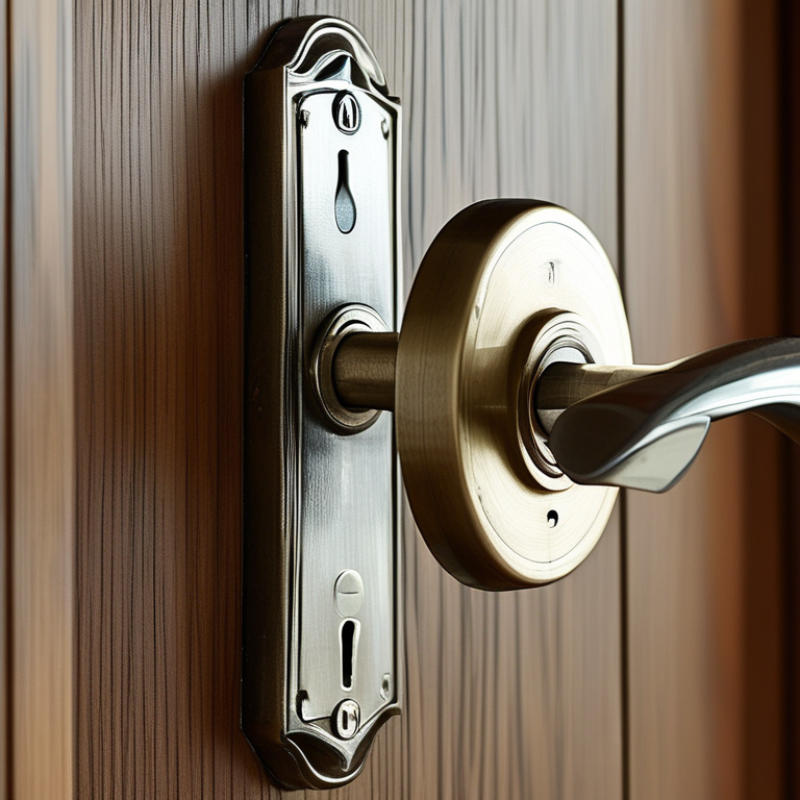
Choosing the right front door is essential for homeowners. The door's style and material significantly impact your home’s curb appeal and security. Consider your home’s architecture. A modern home may look best with sleek lines and glass accents. In contrast, a traditional home often benefits from classic wood doors.
Materials play a crucial role in durability. Steel doors offer strength but can dent. Wood doors provide warmth but require maintenance to prevent rot and warping. Fiberglass doors are an attractive option, mimicking wood without the upkeep.
Focus on functionality too. How often will the door be used? Will it face harsh weather? These factors determine the best choice. Remember, the right door enhances beauty and provides protection. Reflect on what you need, and don’t rush this decision. It's a long-term investment in your home.
Measuring your door frame accurately is crucial for a successful installation. A well-fitted door improves energy efficiency and security. According to the National Association of Home Builders, improperly measured doors can lead to gaps, drafts, and increased energy bills. These issues can raise heating and cooling costs by up to 15%.
Start with a tape measure. Measure the height and width of your door frame at three points: top, middle, and bottom. This ensures consistent dimensions. If your measurements vary, note the smallest figure. Additionally, check the frame for any warping or damage. A level is essential for this process. An unlevel frame may cause misalignment.
Consider the thickness of the door slab as well. Standard doors are usually 1.75 inches thick. However, variations exist. A door that is too thick can prevent proper closure, while a thin one might compromise security. Remember to also account for any trim or casing that may affect the door's fit. Accurate measuring takes time, but it substantially enhances your door's performance and longevity.
Choosing the right tools and materials is crucial when installing a front door. Start with a tape measure, ensuring accurate dimensions before purchasing a new door. A level will help you ensure your door is straight, preventing future issues. Installers often overlook this step, leading to misalignment and drafts.
You’ll also need a drill with bits for hinges and locks. A screwdriver or a power screwdriver speeds up the process. Don’t forget a pry bar for removing the old door frame. Safety glasses and a dust mask may seem optional, but they’re essential for protecting yourself during the installation.
Selecting high-quality materials is vital. Weatherstripping seals combat air leaks, enhancing energy efficiency. The door jamb should be sturdy, made from durable wood or metal. Using materials that resist decay will pay off in the long run. Sometimes, it’s easy to underestimate the importance of these components, resulting in future repairs. Being thorough in your preparation can save you time and money down the line.
| Tip Number | Tip Description | Tools Needed | Materials Needed |
|---|---|---|---|
| 1 | Measure the Door Frame Accurately | Measuring Tape | N/A |
| 2 | Choose a Quality Door Material | N/A | Wood, Fiberglass, Steel |
| 3 | Gather Necessary Tools | Screwdriver, Level, Chisel | N/A |
| 4 | Pre-Drill Holes for Hardware | Drill | Hardware Kit |
| 5 | Install the Door Frame First | N/A | Door Frame Kit |
| 6 | Ensure Proper Alignment | Level | N/A |
| 7 | Seal the Door Edges | Caulking Gun | Weather Stripping, Caulk |
| 8 | Attach the Door Hardware | Screwdriver | Handles, Locks |
| 9 | Test the Door Functionality | N/A | N/A |
| 10 | Final Inspection and Adjustments | N/A | N/A |
Removing an old door can seem daunting, but with the right approach, it becomes manageable. Start by gathering your tools. You’ll need a screwdriver, pry bar, and hammer. Make sure to wear protective gear to avoid injury. Begin by removing the door handle and deadbolt. Carefully take out the screws and keep them in a safe place for later use.
Next, check how the door is secured. If it's a pre-hung door, you may need to remove the trim around it. Use the pry bar gently. This step can be tricky; take your time to avoid damaging the surrounding walls. If the door is painted in, you may encounter some resistance. A utility knife can help loosen the paint seal.
When you’ve disconnected the door from its hinges, you need to focus on the frame. Sometimes it’s within the walls and can be tough to remove. Sometimes the frame will splinter, which can be a hassle. It's okay if things don't go perfectly; every door removal has its complications.
As you proceed, here are some tips to ensure a smoother process:
- Always double-check the dimensions of the new door.
- Label the hinge placements for easy installation later.
- Consider the weather stripping and insulation needs for energy efficiency.
Take your time with each step. Rushing may lead to mistakes that could impact your new door's fit and function. Through careful removal, you’ll be ready for your new front door.
When considering front door installation, sealing and finishing techniques are crucial for durability. A well-sealed door can enhance energy efficiency significantly. According to the U.S. Department of Energy, proper sealing can reduce energy loss by up to 15%. This not only keeps your home comfortable but can also save on heating and cooling costs.
One key tip is to use high-quality weather stripping. This simple addition can prevent drafts and humidity buildup. Look for materials that resist wear and tear. Caulk is another essential element. Apply it generously around the door frame. A tight seal minimizes water damage and pest entry. Additionally, be mindful that improper sealing might cause problems in the long run.
Finishing your door with suitable paint or stain is just as vital. Choose weather-resistant products for exterior doors. A good finish protects against sun damage and moisture. Reports indicate that a well-finished door can last up to 10 years longer than one that is poorly maintained. Regular inspection will help you identify wear and ensure longevity. Consistent care reflects your investment in your home.