Skip to content

Reviews

Top Walk In Bathtubs for Seniors Buying Guide

Choosing among walk in bathtubs for seniors involves more than comparing prices, doors, and massage jets. A safe bathtub must fit the user, the bathroom, and daily routines. Step-in height, door width, seat comfort, grab-bar placement, water controls, and drainage speed can affect confidence during every bath. Small details matter. Wet floors do not forgive rushed decisions.

Aging-in-place specialist Louis Tenenbaum has said, “Aging in place is not a place; it’s a process.” That idea applies directly to bathroom planning. A tub may work well today but feel difficult after surgery, reduced balance, or changing mobility. This guide examines leading models through practical safety, accessibility, installation, comfort, and long-term value. It also considers user experiences, manufacturer information, and professional guidance rather than relying only on attractive product claims.

No model is perfect. A fast-draining tub may cost more. A wider seat can reduce walking space. Some features sound useful but add maintenance without improving safety. That deserves honest attention. Readers should measure the bathroom doorway, check plumbing requirements, and discuss mobility needs with a qualified installer or occupational therapy professional. Careful planning can prevent expensive changes later.

The best walk in bathtubs for seniors support independence without creating new obstacles. Look beyond showroom lighting. Imagine entering with wet feet, turning slowly, reaching for the controls, and standing after the bath. That realistic test often reveals more than a brochure.
Top Walk In Bathtubs for Seniors Buying Guide

What Makes a Walk-In Bathtub Suitable for Seniors

Top Walk In Bathtubs for Seniors Buying Guide

What Makes a Walk-In Bathtub Suitable for Seniors

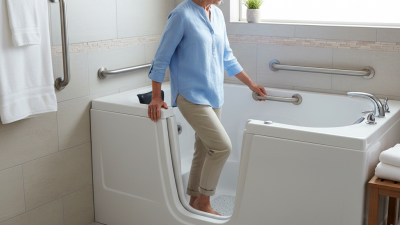
A suitable walk-in bathtub should reduce strain before, during, and after bathing. A low-entry door matters because lifting one leg over a high tub can cause instability. The threshold should feel manageable, even when knees are stiff or balance is limited. Sit inside before buying, if possible. A seat around 17 to 19 inches high often supports easier transfers, but body height changes the experience.

Safety features must work together. Look for a textured floor, sturdy grab bars, and controls within easy reach. Grab bars should support real body weight, not merely look secure. Water temperature control is also important because older skin may sense heat less accurately. A handheld showerhead can help users wash while seated. Keep the hose long enough to reach the shoulders and feet.

Practical details often decide whether the tub gets used. Fast drainage reduces the time spent sitting in cooling water. However, “fast” varies with plumbing and installation. Ask a qualified installer to inspect the drain line, floor strength, and door clearance. A tub may appear accessible in a showroom but feel cramped at home. Leave space beside the seat for a walker or caregiver. Comfort should not be judged by appearance alone. Even a well-designed tub can be unsuitable if the user cannot operate its controls independently.

Essential Safety and Accessibility Features to Consider

Top Walk In Bathtubs for Seniors Buying Guide

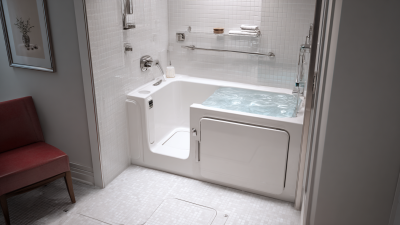
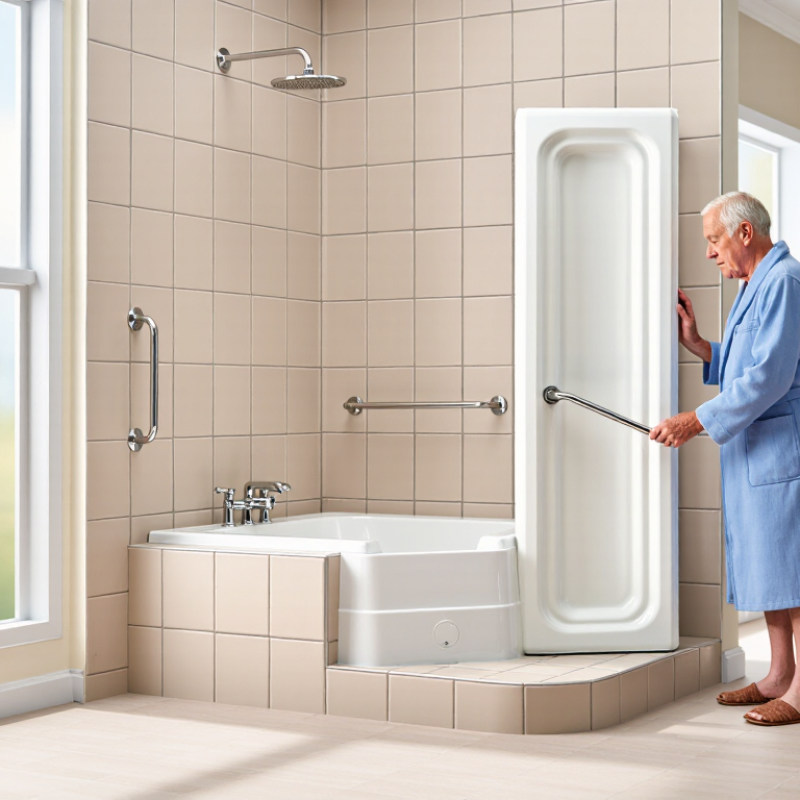
Safety and accessibility should guide every walk-in bathtub decision. Look for a low step-in threshold that reduces tripping risk. A wide, inward-opening door may improve access, but it needs enough clearance. A built-in, contoured seat supports safer bathing without forcing users to sit on the floor. Choose textured flooring and sturdy, well-positioned grab bars. Smooth surfaces can become dangerously slippery when wet.

Controls should be easy to see, reach, and operate with limited hand strength. A handheld showerhead helps users wash while seated. Check the water temperature limiter to reduce scalding risks. Fast drainage is also important because standing in a cooling tub can increase discomfort. Emergency-release features deserve careful attention. They may matter during a power failure or sudden health problem.

Tips: Measure the bathroom doorway, turning space, and plumbing access before ordering. Ask a qualified installer to inspect floor strength and drainage. An occupational therapist can assess the user’s balance and mobility. Test the seat height if possible. Even a comfortable model may feel too low for someone with stiff knees. Small details matter.

A practical warning: marketing images rarely show transfer difficulties. Watch how the user enters, turns, sits, and exits. I would not rely on grab bars alone. Good lighting, a nearby towel, and a stable floor mat can prevent overlooked hazards. Recheck these features after installation. Needs can change.

Key Walk-In Bathtub Types and Their Main Differences

Top Walk In Bathtubs for Seniors Buying Guide

Key Walk-In Bathtub Types and Their Main Differences

Walk-in bathtubs mainly differ by bathing purpose, interior space, and water features. Soaker models provide a seated, still-water bath. They suit users who want simpler controls and fewer maintenance tasks. Air-jet models release gentle bubbles through small openings. They may feel lighter on sensitive skin. Hydrotherapy models use stronger water jets for targeted massage, but they cost more and need careful cleaning. Bariatric designs offer wider seats and higher weight capacities. However, a larger shell may require bathroom remodeling.

Door direction also matters. Inward-opening doors can save exterior space, but the tub must drain before exiting. Outward-opening doors offer easier emergency access and often require more clearance. The U.S. Centers for Disease Control and Prevention reports that more than one in four adults aged 65 and older falls each year. Therefore, a low step-in height, textured flooring, grab bars, and a stable seat deserve more attention than decorative jets. These details are easy to overlook.

Tips: Measure the doorway, bathroom floor, and turning space before buying. Check the seat height against the user’s knees. Confirm drain speed, warranty terms, and service access. A heated seat sounds useful, yet it may add complexity without solving transfer problems. I would not assume the most expensive type is safest. A licensed occupational therapist or qualified installer can assess transfers, water controls, and caregiver access on site.

Top Walk-In Bathtubs for Seniors Buying Guide - Key Walk-In Bathtub Types and Their Main Differences

Walk-In Bathtub Type Door and Entry Design Typical Threshold Seating and Bathing Position Main Benefits Potential Limitations Best Suited For Relative Cost
Standard Walk-In Soaking Tub Outward-swinging or inward-swinging watertight door with a low step-in opening. Usually a low threshold; the exact height varies by model and installation. Built-in raised seat that allows the user to bathe in an upright or semi-reclined position. Simple design, lower maintenance, and generally less equipment to operate. Provides soaking rather than powered massage; the bather must remain seated while the tub fills and drains. Seniors who mainly need safer entry and seated bathing. Lower
Walk-In Whirlpool Tub Low-entry door combined with water jets positioned around the bathing area. Low threshold, with the height determined by the specific tub design. Usually includes a molded seat and a more upright bathing posture. Water jets can provide a massaging sensation and may improve the bathing experience. Jets require additional cleaning and maintenance; the pump can increase noise and energy use. Users who want hydrotherapy-style water massage and can manage extra controls. Medium to High
Walk-In Air-Jet Tub Low-entry watertight door with small air outlets that produce streams of bubbles. Low threshold; check the product specifications before purchase. Raised seat, generally designed for upright seated bathing. Air bubbles create a gentler, widespread massage and can feel less intense than water jets. Air systems may be louder than expected and still require regular drying and cleaning. People who prefer a mild, relaxing massage rather than strong water pressure. Medium to High
Dual Hydrotherapy Tub Low-entry door with both water-jet and air-jet systems, usually operated separately or together. Low threshold, subject to the model's specifications and floor conditions. Raised seat with controls for adjusting massage zones, pressure, or air intensity. Offers the widest range of massage options and allows users to select a preferred intensity. Higher purchase and installation cost, more controls to learn, and more components to maintain. Users seeking flexible hydrotherapy features and able to operate multiple controls safely. High
Wheelchair-Accessible Walk-In Tub Designed with a wider opening or transfer-friendly layout; door direction and opening size vary. Very low or near-level entry may be available, but accessibility depends on the complete bathroom layout. Transfer-height seat, side access, and space for a controlled wheelchair or shower-seat transfer. Can reduce transfer difficulty when the tub, grab bars, floor space, and wheelchair are properly matched. Requires careful measurement; the tub itself does not replace professional accessibility planning. Users with limited mobility who transfer from a wheelchair or mobility chair. High
Bariatric Walk-In Tub Low-entry door with a reinforced structure and a wider or longer bathing compartment. Low threshold, with entry height varying by design. Wider reinforced seat and a higher stated user-weight capacity than standard models. Provides additional interior room and may offer greater seating stability for larger users. Needs more bathroom floor space and may require stronger floor support or plumbing adjustments. Users who need additional seat width, interior space, or published weight capacity. High
Walk-In Shower-Tub Combination Low-entry door with a shower area, handheld shower, or overhead shower fitting. Low threshold for tub entry; shower access depends on the seat and interior configuration. Built-in seat supports seated showering and bathing in the same unit. Combines bathing and showering, making it practical for households with different preferences. Requires a watertight door to remain closed during use; standing shower space may be limited. Households that want both a walk-in tub and a seated shower option. Medium to High
Deep-Soak Walk-In Tub Low-entry door with a taller or deeper bathing compartment than many standard units. Low threshold, but the exterior height can affect access and installation requirements. Usually an upright seat that allows deeper immersion of the torso than a conventional shallow tub. Provides a more immersive soaking experience while retaining walk-in access. May require more water, longer filling time, and careful checking of hot-water capacity. Users who prioritize deeper soaking and have adequate bathroom and water-heater capacity. Medium to High
Important buying checks: confirm the actual threshold height, clear door opening, seat dimensions, user-weight rating, bathroom floor space, drain performance, hot-water capacity, grab-bar placement, anti-slip flooring, and whether professional installation is required.

How to Compare Installation, Comfort, and Maintenance Needs

Top Walk In Bathtubs for Seniors Buying Guide

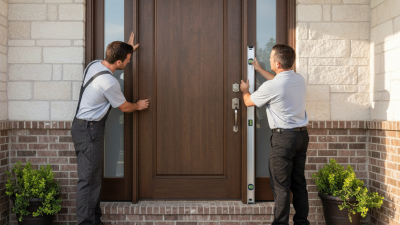
A walk-in bathtub should fit the bathroom, the user, and daily routines. The CDC reports that one in four adults aged 65 and older falls each year. A low-entry door may reduce step-over risk, but it cannot prevent every fall. Measure the doorway, floor space, drain location, and electrical access before purchasing. Professional installation should check floor strength, plumbing, waterproofing, and local permit requirements. A poor fit can create new hazards.

Comfort needs careful testing. Sit inside before buying, if possible. Check the seat height, back support, door position, and handheld shower reach. Temperature controls should be easy to read and operate. The National Institute on Aging recommends grab bars and slip-resistant surfaces for safer bathing. An occupational therapist can assess balance, leg strength, and transfer movements. This step is often skipped. It should not be.

Tips: Compare drain speed, door-seal quality, textured flooring, and cleaning access. Ask who services worn seals and clogged jets. Choose smooth interior surfaces with fewer difficult corners. Review the warranty in writing. A tub that drains slowly may leave the user sitting in cooling water, which is uncomfortable and easy to overlook. AARP’s 2021 Home and Community Preferences Survey found that 77% of adults aged 50 and older want to remain in their homes. Maintenance planning supports that goal, but personal mobility needs may change. Reassess the bathroom yearly.

A Practical Guide to Choosing the Right Model for Your Home

Top Walk-In Bathtubs for Seniors Buying Guide

A Practical Guide to Choosing the Right Model for Your Home

Choosing a walk-in bathtub should begin with the bathroom, not the brochure. Measure the doorway, turning space, drain position, and floor condition. The Centers for Disease Control and Prevention reports that over 3 million older adults receive emergency treatment for fall injuries annually. A low step-in threshold can reduce one entry hazard, but it cannot replace stable flooring and properly positioned grab bars.

Sit in the tub before ordering, if possible. Your knees should remain comfortably bent, and both feet should rest flat on the textured floor. Check the seat height, door swing, handle placement, handheld shower reach, and temperature limiter. An inward-opening door needs less exterior clearance, but you must enter before closing it. An outward-opening door offers easier exit access, yet nearby fixtures may obstruct it. Small details matter.

Drain time deserves attention. A user may become cold while waiting in a full tub. Ask for tested drainage performance rather than accepting vague advertising. The National Institute on Aging recommends reducing bathroom hazards through grab bars, non-slip surfaces, and adequate lighting. Installation also requires professional review of plumbing, electrical safety, waterproofing, and floor load. I once underestimated door clearance on a bathroom sketch; real walls were less forgiving. Recheck every measurement. CDC’s STEADI initiative also emphasizes individualized fall-risk assessment, so mobility limits and caregiver access should influence the model more than appearance.

Top Walk-In Bathtubs for Seniors Buying Guide: A Practical Guide to Choosing the Right Model for Your Home

Use these ADA-based planning references to evaluate the space around a walk-in bathtub. Confirm the final dimensions with a qualified installer because residential layouts and local requirements may vary.

The reference values include a 32-inch minimum clear doorway width, a 30-by-48-inch clear floor space for transfers, and ADA grab-bar diameter and wall-clearance ranges. These measurements help seniors and caregivers assess access, transfers, and installation space before choosing a model.