Skip to content

Reviews

China Best Exterior Home Renderings Manufacturer?

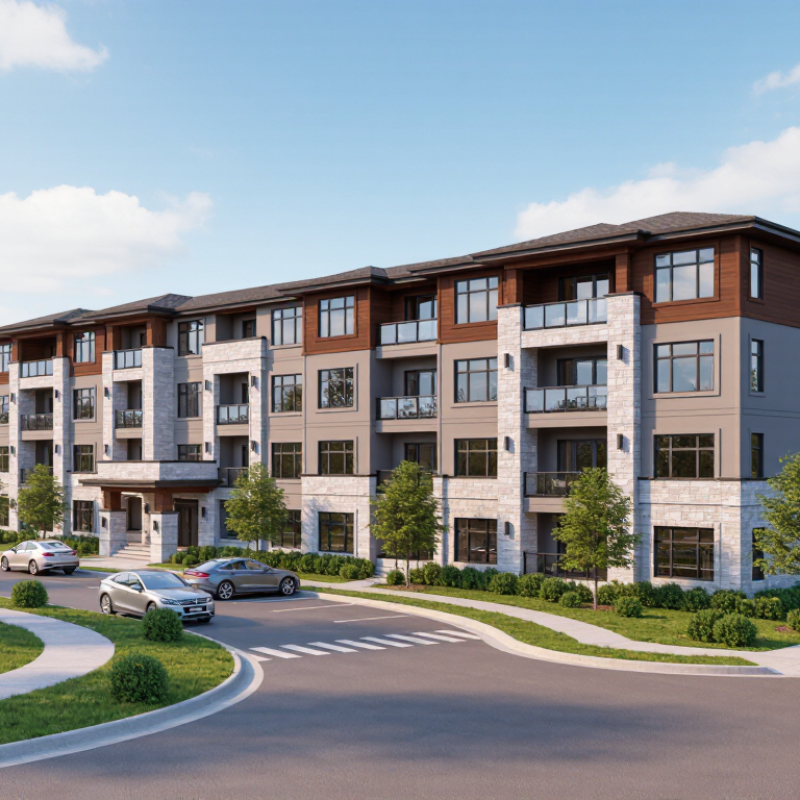
China Best Exterior Home Renderings Manufacturer? That question deserves more than a low price comparison. Exterior Home Renderings can influence buyer confidence, planning reviews, and sales materials. A convincing image must show more than a polished façade. It should reveal scale, materials, landscaping, shadows, access roads, and realistic neighborhood context.

The global architectural visualization market reflects growing demand. Grand View Research estimated its 2023 value at approximately USD 3.57 billion. The firm also projected strong growth through 2030, supported by real estate development and digital design workflows. Mordor Intelligence likewise reported rapid expansion in the broader 3D rendering and visualization market. These figures are useful. They are not a quality guarantee.

Ronen Bekerman, an architectural visualization educator and founder of The Craft, has repeatedly emphasized that visualization should serve the design before the spectacle. That principle matters when evaluating Chinese manufacturers. Look for verified residential case studies, consistent camera matching, accurate material textures, and clear revision policies. Ask whether the team can reproduce a stone wall across five angles. Small details expose weak workflows.

Experience matters here. A reliable supplier should explain file formats, delivery stages, and approval checkpoints. It should also protect unpublished architectural information. However, no manufacturer is perfect. Even a strong studio may misjudge local vegetation or evening lighting. Careful feedback remains necessary.

The best partner is not simply the cheapest. It is the team that turns drawings into believable exterior spaces, without hiding design problems behind attractive effects.
China Best Exterior Home Renderings Manufacturer?

What Defines a Leading Exterior Home Renderings Manufacturer in China

What Defines a Leading Exterior Home Renderings Manufacturer in China

A leading exterior home renderings manufacturer combines visual judgment with dependable production control. Grand View Research valued the global 3D rendering and visualization market at USD 3.62 billion in 2022. It also forecast a 22.5% compound annual growth rate from 2023 to 2030. This growth raises expectations. A strong manufacturer should understand facade materials, regional daylight, landscaping scale, and residential construction details. One attractive image is not enough.

Experience shows in the workflow. The team should review CAD files, site photographs, floor plans, and material schedules before modeling. It should confirm window proportions, roof drainage, boundary walls, and evening lighting. Small errors become expensive during client presentations. Clear checkpoints matter. So does communication. RICS research on digitalisation in construction reports that many firms still struggle with fragmented data and inconsistent technology adoption. A capable studio reduces that risk through naming standards, revision logs, and controlled file delivery.

Professional credibility also requires honest limitations. Rain, trees, and wide-angle lenses can hide weak geometry. Sometimes, the first concept needs correction. That is normal. A reliable manufacturer should explain what the supplied information cannot prove, rather than inventing certainty. Quality checks should compare the render with drawings and physical samples. Security, schedule tracking, and documented revisions further separate a production partner from a simple image vendor. The best result feels beautiful, but it also feels buildable.

Core Services and Rendering Technologies for Exterior Home Projects

China Best Exterior Home Renderings Manufacturer?

Exterior home projects need more than attractive images. They need accurate visual decisions before construction begins. A professional rendering team studies site photos, drawings, measurements, climate, and surrounding buildings. This process reduces confusion between design intent and on-site conditions.

Core services may include exterior 3D modeling, material visualization, landscape integration, aerial views, and animation. Designers can test stone, wood, glass, roof tiles, and paint under different lighting conditions. Daylight studies show how shadows move across walls and windows. Night scenes reveal whether outdoor lighting feels warm, balanced, or excessive. Some details remain difficult to judge.

Modern rendering workflows combine CAD files, BIM data, photogrammetry, and physically based rendering. Accurate camera matching helps clients compare proposed façades with real streetscapes. High-resolution outputs support planning presentations, sales materials, and construction coordination. Revision tracking is also important. Every change should be recorded, from window proportions to planting density.

Reliable production requires more than software skills. Experienced artists check scale, edge quality, reflections, and material repetition. They also compare renderings with technical drawings. A polished image can still hide an impractical drainage detail. That is why careful review matters. Human judgment remains necessary.

How to Evaluate Quality, Accuracy, and Architectural Visualization Skills

Choosing China’s best exterior home renderings manufacturer requires more than attractive portfolio images. Quality begins with visible control over light, materials, geometry, and landscape details. Ask for high-resolution samples showing brick joints, window reflections, roof edges, and planting density. Blurred textures can hide weak modeling.

Accuracy depends on reliable architectural information. A skilled team should read plans, elevations, material schedules, and site photographs carefully. Compare the rendering with measured dimensions and approved drawings. Check whether window positions, balcony depths, roof pitches, and exterior finishes match. Request a marked revision process, including camera angles and lighting references. Small errors matter. A door placed only ten centimeters incorrectly can change the façade’s character.

Architectural visualization skill appears in atmosphere and restraint. Daylight should describe form, not overpower it. Shadows need direction, softness, and believable contact with the ground. Ask how the team handles seasonal planting, wet paving, interior glow, and neighboring buildings. In practical reviews, I have found that strong artists still miss construction logic when deadlines become tight. That weakness deserves discussion, not concealment. Request a test view before signing a large order. Provide clear comments, then measure how accurately revisions follow them. A dependable manufacturer documents file versions, confirms technical details, and protects project information. Communication records are useful evidence. So are recent client references. Portfolio polish alone is not enough. Real skill survives close inspection.

This neutral evaluation framework compares the main factors used to assess exterior architectural renderings. Geometry accuracy receives the highest weighting because correct scale, proportions, openings, rooflines, and site relationships are essential for reliable visualization. Material realism, lighting, landscaping, and revision responsiveness complete the quality assessment without referring to any specific company or brand.

Production Workflow, Customization Options, and Project Communication

China Best Exterior Home Renderings Manufacturer?

A capable exterior home renderings manufacturer needs more than attractive images. The process should begin with drawings, site photos, dimensions, and clear design goals. A project coordinator checks these materials before modeling starts. Missing window sizes can distort the entire facade. That small error becomes expensive later.

The production workflow usually includes 3D modeling, material mapping, lighting setup, rendering, and quality inspection. Experienced artists compare the render with approved plans and reference images. Clients can request custom stone, brick, timber, metal, roof forms, landscaping, and weather conditions. Daylight, dusk, and seasonal scenes may support different marketing needs. However, excessive customization can slow production. This trade-off deserves honest discussion.

Communication determines whether revisions remain manageable. A reliable team records every change in a shared revision log. Marked drawings and numbered comments reduce misunderstandings across time zones. Weekly progress previews can reveal incorrect proportions before final rendering. A practical approval system should define revision limits, delivery formats, resolution, and response times.

Email alone may not be enough for complex projects. Short video meetings often clarify visual issues faster. Even strong workflows are imperfect. I have seen polished renders fail because the client and artist interpreted “warm white” differently. Specific samples and measurable references work better than vague descriptions. Quality should be judged through process evidence, revision control, and consistent project communication.

Key Factors for Selecting a Reliable Chinese Rendering Partner

China Best Exterior Home Renderings Manufacturer?

Choosing a reliable Chinese rendering partner requires more than reviewing attractive images. Study projects similar to yours, including villas, apartments, and renovation concepts. Check whether the portfolio shows realistic materials, window reflections, landscaping, and daylight conditions. Ask about the artists’ experience with exterior architecture and local building styles. A professional team should explain its workflow, from CAD files to modeling, texturing, lighting, and final retouching. Request a small test image before approving a large order. It reveals communication quality quickly.

Tips: Share clear drawings, material references, camera angles, and site photos. Confirm file formats, revision limits, delivery times, and image ownership in writing. Ask who checks scale, shadows, and construction details. Fast replies help, but detailed replies matter more.

Reliable partners provide named project contacts, quality-control steps, and a practical revision process. They should accept technical questions without avoiding difficult points. Ask how they handle missing dimensions or conflicting drawings. Experienced teams usually flag these problems before rendering begins. However, a polished portfolio can still hide inconsistent work. Review several samples from different weeks, not only selected highlights. Request a production schedule with milestones for modeling, preview, revisions, and final delivery. No partner is perfect. Even careful teams may misunderstand one material or camera angle, so transparent correction procedures remain essential.

China Best Exterior Home Renderings Manufacturer? - Key Factors for Selecting a Reliable Chinese Rendering Partner

Evaluation Dimension Practical Benchmark Why It Matters Evidence to Request Recommended Evaluation
Exterior Rendering Portfolio At least 5–10 relevant exterior projects showing different house styles, materials, landscaping, and lighting conditions. A broad portfolio indicates experience beyond template-based images. High-resolution samples, before-and-after revisions, and project descriptions. Compare realism, material detail, proportions, vegetation, shadows, and overall consistency.
Architectural Accuracy Dimensions, openings, rooflines, façade elements, and structural details should match the approved drawings. Incorrect geometry can misrepresent the design and create approval or marketing problems. Marked-up previews, model screenshots, and a documented checking process. Use a checklist to verify façade dimensions, window placement, roof pitch, and site orientation.
Software and File Compatibility Ability to work with common formats such as 3DS, FBX, OBJ, SKP, Revit, AutoCAD, TIFF, PNG, and JPEG. Compatible files reduce conversion errors and speed up production. A sample file workflow and confirmation of supported software versions. Send a small test file before awarding the full project.
Image Resolution and Output Web images commonly use approximately 2,000–4,000 pixels on the long edge; print requirements may need higher resolution. Output specifications affect website quality, brochures, billboards, and large-format printing. Technical specification sheet covering resolution, color mode, file format, and compression. Confirm RGB or CMYK requirements and whether layered or editable files are included.
Material and Lighting Realism Stone, brick, concrete, glass, metal, wood, water, and vegetation should show appropriate texture, reflection, scale, and weathering. Realistic materials improve buyer perception and reduce misleading visual representation. Close-up material samples and day, dusk, or night rendering examples. Check whether lighting direction, reflections, shadows, and material scale are physically plausible.
Turnaround Time A single standard exterior view often takes several working days; complex scenes and multiple views require more time. A realistic schedule helps coordinate construction, sales, planning, and advertising activities. Milestone schedule, review dates, and delivery commitments. Avoid providers promising unusually short deadlines without defining scope and revision limits.
Revision Policy The quotation should clearly state the included number of revision rounds and the cost of additional changes. Clear revision terms prevent disputes when design details change. Written quotation, revision definition, and approval procedure. Prefer annotated review files and consolidated feedback instead of multiple untracked messages.
Communication and Time-Zone Support Agreed response times, a designated project manager, and communication in clear written English. Accurate communication is essential when exchanging drawings, references, and technical corrections internationally. Communication workflow, contact details, and sample status reports. Test communication quality during the quotation and sample stages.
Pricing Transparency The price should identify modeling, texturing, rendering, post-production, revisions, source files, and urgent delivery charges. A low headline price may exclude essential production or revision services. Itemized quotation with currency, payment milestones, taxes, and additional-service rates. Compare total project cost rather than only the cost per image.
Quality-Control Process A documented review should cover geometry, camera composition, materials, lighting, image defects, and export settings. Quality control reduces avoidable errors before client review. Internal review checklist and sample quality-control comments. Request a low-resolution draft before final high-resolution rendering.
Data Security and Confidentiality The partner should accept confidentiality terms and define how project files are stored, shared, and deleted. Architectural drawings may contain commercially sensitive or unpublished information. Confidentiality agreement, access controls, and file-retention policy. Do not send complete sensitive files until the working relationship and confidentiality terms are confirmed.
Copyright and Usage Rights The agreement should state who owns the final images, source files, models, textures, and reuse rights. Unclear rights can restrict advertising, website use, resale, or future editing. Written intellectual-property clause and asset-delivery list. Confirm whether third-party models, stock assets, or licensed textures are used.
Payment and Contract Terms Use a written contract covering scope, milestones, acceptance criteria, payment schedule, cancellation, and dispute handling. Written terms protect both parties and create a clear basis for project management. Formal quotation, contract, invoice details, and secure payment instructions. Use milestone-based payments linked to agreed deliverables.
Trial Project or Paid Test A small, clearly scoped test can assess modeling accuracy, style matching, communication, and delivery speed. A test provides more reliable evidence than portfolio images alone. Test brief, acceptance criteria, and agreed ownership of the test output. Evaluate both visual quality and the partner’s response to corrections.