Serving Minnesota & Iowa for over 25 years
When embarking on a home improvement journey, one of the most impactful choices you can make is selecting the right exterior sliding doors. These doors not only enhance the aesthetic appeal of your home but also contribute to its overall functionality and livability. With the growing popularity of outdoor living spaces, it’s essential to find exterior sliding doors that seamlessly blend style and practicality.
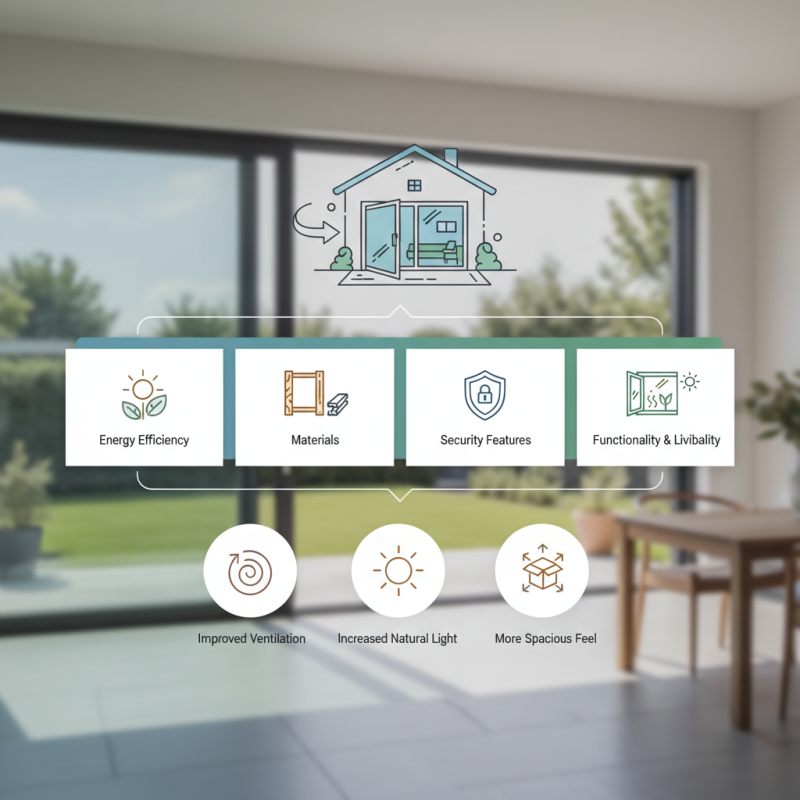
From energy efficiency to materials and security features, there are numerous factors to consider when choosing exterior sliding doors. Proper selection can lead to improved ventilation, increased natural light, and even a more spacious feel in your interior spaces. This guide will delve into effective strategies for selecting the best exterior sliding doors tailored to your needs, ensuring you make a well-informed decision that elevates your home’s design and comfort.
When selecting exterior sliding doors for your home, it’s essential to understand the various types available on the market. The most common options include standard sliding doors, multi-slide doors, and pocket doors.
Standard sliding doors consist of two panels, where one panel slides open while the other remains fixed. These doors are particularly space-efficient, making them a great choice for smaller areas or homes with limited outdoor access.
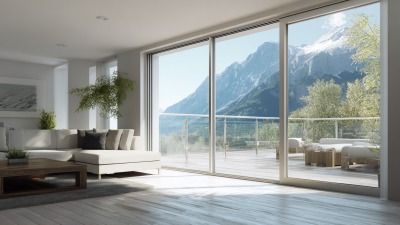
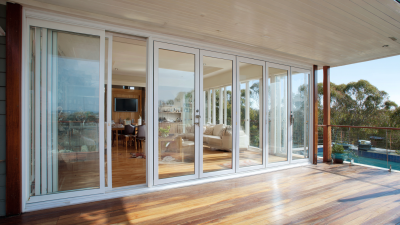
Multi-slide doors offer a more expansive opening compared to traditional sliding doors. They can consist of multiple panels that slide and stack against one another, effectively creating a seamless transition between indoor and outdoor spaces. This type of door is ideal for larger openings and facilitates an open-concept living arrangement, allowing plenty of natural light while providing stunning views of your outdoor environment.
Pocket doors take space-saving design a step further. When opened, these doors slide into a wall cavity, completely out of sight. This makes them an excellent option for areas where you want to maximize floor space without sacrificing style. Each type of sliding door offers distinct advantages, and choosing the right one will depend on your specific needs for functionality, aesthetics, and the overall design of your home.
When it comes to choosing the best exterior sliding doors for your home, evaluating material options is crucial. Each material—wood, vinyl, aluminum, and fiberglass—comes with its unique benefits and durability. Wood is known for its aesthetic appeal and natural insulation properties, but it requires regular maintenance to prevent warping and rot. In contrast, vinyl doors are low-maintenance and resistant to fading, making them a durable choice for various climates. However, they may not carry the same aesthetic value as wood.
Aluminum sliding doors are incredibly strong and lightweight, providing a sleek, modern look. They are resistant to rust and corrosion, but they can conduct heat, which might be a consideration in energy efficiency. Fiberglass offers the best of both worlds with its toughness and energy efficiency; it can mimic the appearance of wood without the high maintenance. It’s crucial to weigh the pros and cons of these materials based on your specific needs and climate conditions.
**Tips for Choosing Materials:**
- Consider the climate in your area: If you live in a humid environment, opt for materials that can withstand moisture, like fiberglass or vinyl.
- Evaluate your maintenance preferences: If you prefer low-maintenance options, vinyl or aluminum might be better than wood.
- Think about aesthetics and how each material fits the overall style of your home; you want your sliding doors to enhance your home's curb appeal while addressing durability.
When choosing exterior sliding doors, energy efficiency should be a top priority. One of the key features to consider is the material used in the door construction. Fiberglass and vinyl are excellent options as they provide better insulation compared to traditional wood or aluminum. Insulated frames help reduce heat transfer, keeping your home comfortable year-round while also lowering energy bills.
Another important aspect is the glazing of the glass panels. Look for sliding doors that come with double or triple-pane glass, which significantly enhances thermal efficiency. Low-emissivity (Low-E) coatings on the glass can also minimize heat gain in the summer and retain warmth during winter months. Additionally, ensure that the doors include energy-efficient seals and weather stripping, as these elements work together to prevent drafts and improve overall insulation. By focusing on these features, homeowners can invest in sliding doors that contribute positively to energy savings and comfort.
| Feature | Description | Importance |
|---|---|---|
| Energy Efficiency Rating | Look for doors with a high energy efficiency rating (e.g., ENERGY STAR certified) to reduce heating and cooling costs. | Critical for reducing energy bills and environmental impact. |
| Material | Common materials include vinyl, wood, fiberglass, and aluminum. Each offers different benefits in terms of durability and maintenance. | Affects longevity, maintenance needs, and insulation properties. |
| Glazing Options | Choose between single, double, or triple glazing. Triple glazing offers the best insulation but may be more expensive. | High impact on thermal performance and noise reduction. |
| Weather Sealing | Effective seals prevent air and water leaks. Look for adjustable or layered seals for better performance. | Essential for energy efficiency and exterior protection. |
| Security Features | Features such as multi-point locking systems, reinforced frames, and shatter-resistant glass improve security. | Vital for home safety and peace of mind. |
| Aesthetics | Choose a design and finish that complements your home’s architectural style. | Enhances curb appeal and personal satisfaction. |
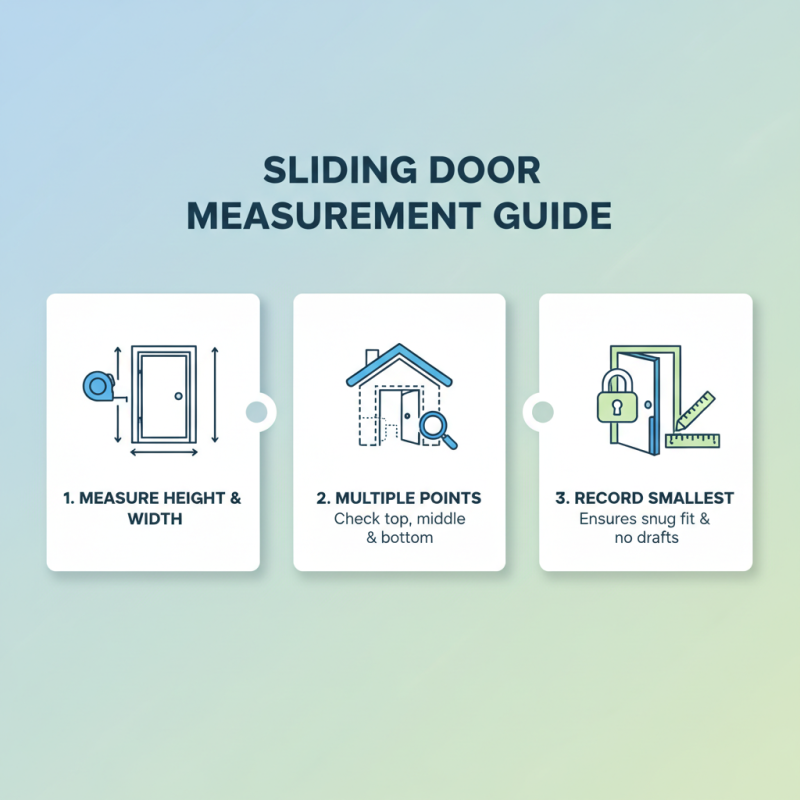
When choosing the best exterior sliding doors for your home improvement project, proper measurement is crucial to ensure an ideal fit and functionality. Begin by measuring the height and width of the door opening. Use a tape measure to capture the dimensions at multiple points, as older homes may have settled, causing the opening to vary in size. Always record the smallest measurement to ensure a snug fit that prevents air leaks and pest entry.
Next, consider the thickness of the wall where the door will be installed. This measurement helps determine the proper door frame style and ensures that the door operates smoothly. Additionally, factor in any obstructions such as light switches or electrical outlets that may impact the installation. Paying close attention to these details will not only enhance the aesthetic appeal of your space but also improve energy efficiency and usability of the sliding door in your home. A well-measured door will contribute to a seamless transition between indoor and outdoor living spaces.
When considering the installation of exterior sliding doors, homeowners often face a critical decision: whether to tackle the project as a DIY endeavor or to hire professional services. According to a recent report by the Joint Center for Housing Studies, the average cost of hiring a professional for door installation can range between $300 to $800, depending on the complexity of the project and local labor rates. This investment not only ensures that the installation meets industry standards but also minimizes the risks associated with improperly installed doors, which can lead to energy inefficiencies and costly repairs.
On the other hand, many homeowners opt for a DIY approach to save on costs and take on a fulfilling challenge. However, experts recommend weighing the pros and cons carefully. A survey conducted by HomeAdvisor revealed that nearly 40% of DIY projects related to home improvements encounter complications that lead to increased expenses. This highlights the importance of having a solid understanding of the installation process, including the necessary tools and skills. For those who lack confidence in their technical abilities, enlisting the help of trained professionals can safeguard against potential pitfalls, ensuring that the doors function flawlessly and enhance the aesthetic appeal of the home.