Serving Minnesota & Iowa for over 25 years
Choosing the right walk in bathtub can significantly enhance safety and comfort in your home. According to a report by the National Aging in Place Council, over 80% of seniors wish to remain in their homes as they age. A walk in bathtub can provide a reliable solution for those who may struggle with traditional tubs.
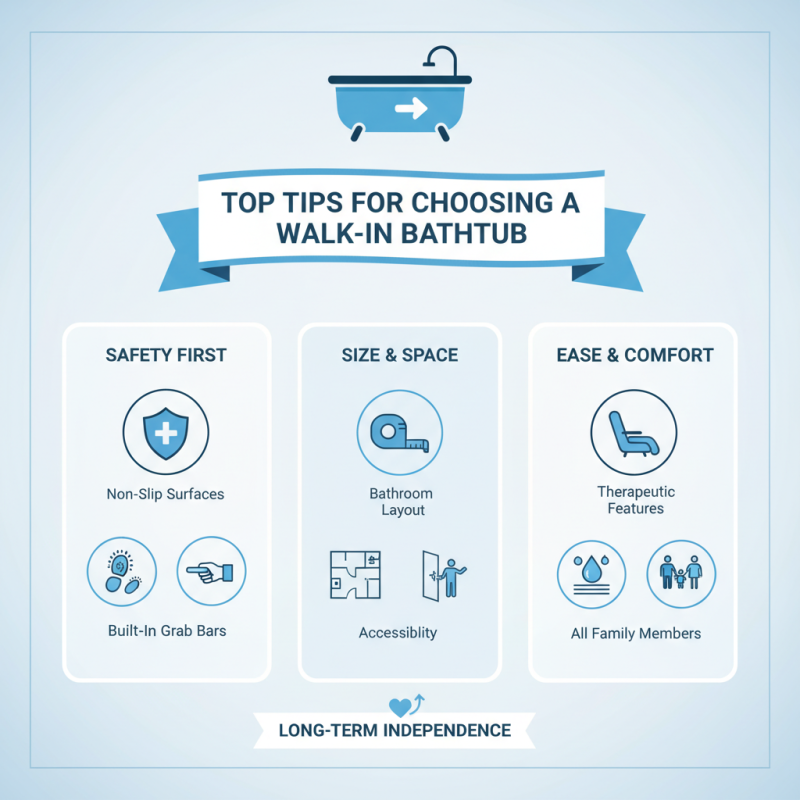
Industry expert Jane Smith notes, “A walk in bathtub is not just a luxury; it's a necessity for many.” This insight highlights the importance of selecting a model that meets your specific needs. Many options exist, but not every walk in bathtub is created equal. Consider factors such as size, safety features, and usability. Research suggests that bathtubs with non-slip surfaces and built-in grab bars can reduce the risk of falls by up to 50%.
It’s crucial to reflect on your space and lifestyle. A walk in bathtub can require adjustments in plumbing and bathroom layout. Think about accessibility and ease of use for all family members. Ultimately, investing time in choosing the right walk in bathtub can yield long-term benefits for comfort and independence.
Walk-in bathtubs offer significant advantages, especially for seniors and those with mobility issues. According to a report by the Centers for Disease Control and Prevention, falls are a leading cause of injury among older adults. Installing a walk-in tub can help reduce this risk. These tubs provide easy access, lowering the chance of slips and falls during entry or exit. With their slip-resistant surfaces, they ensure safety while bathing.
Additionally, walk-in bathtubs often come with therapeutic features. Studies show that warm water can alleviate joint pain and muscle tension. Many users report improved relaxation and better overall well-being after using these tubs. The soothing experience can be vital for those managing chronic health conditions.
Affordability can be a concern. Though initial costs may be high, consider long-term benefits. Investing in a walk-in bathtub can lead to fewer medical expenses due to reduced fall risks. It's essential to evaluate the options carefully. Each installation might not perfectly fit every individual's needs. Explore various models and consult with professionals before making a decision. Always prioritize personal comfort and safety.
When selecting a walk-in bathtub, consider crucial features that enhance safety and comfort.
Non-slip floors are essential for preventing accidents.
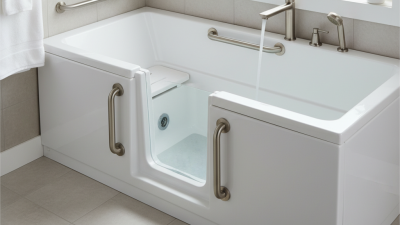
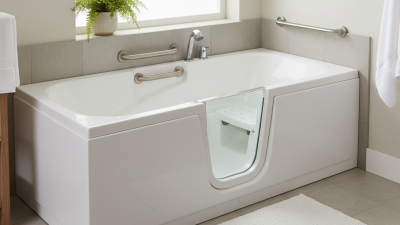
Look for sturdy grab bars, which provide stability when entering and exiting the tub.
A well-designed seat makes bathing easier and more enjoyable, allowing you to relax without straining.
Water depth varies across different models. Choose a bathtub that fills to a comfortable depth for soaking.
Accessibility features also matter. Ensure the door seals well to prevent leaks.
Some tubs come with built-in jets for a spa-like experience.
Aromatherapy options can enhance relaxation, making your bath time more enjoyable.
Finally, don’t overlook the installation process.
Some bathtubs may require professional help, while others are more DIY-friendly.
If you opt for a stressful installation, be prepared for challenges.
Research warranties and customer support to avoid potential issues.
Making the right choice for your home can seem overwhelming.
But understanding these features can simplify your decision.
When choosing a walk-in bathtub, design matters significantly. Styles vary from modern to traditional, impacting the overall aesthetic of a bathroom. According to the National Kitchen and Bath Association, 60% of homeowners prioritize style when renovating their bathrooms. This statistic highlights the importance of selecting a tub that seamlessly integrates with your home’s interior.
Consider the features that different walk-in bathtubs offer. Some come with safety bars, adjustable showerheads, or extra seating. A report from the American Association of Retired Persons indicates that over 80% of seniors prefer bathtubs with easy accessibility. However, not all designs meet this need adequately. Some tubs may look appealing but lack essential safety features. It’s crucial to find a balance between aesthetics and functionality.
Color and finish are also pivotal in selecting a walk-in bathtub. While a glossy white finish is classic, darker shades can create a striking contrast. A survey by the Home Improvement Research Institute notes that 42% of homeowners regret not considering color choice more carefully. This shows how important it is to think about how a bathtub will fit into your overall scheme.
When assessing safety features in walk-in bathtubs, there are several critical aspects to consider. According to the National Institute on Aging, falls are a leading cause of injury among seniors. Therefore, non-slip surfaces are essential in preventing accidents. Many walk-in bathtubs come with textured floors and grab bars, which enhance stability and ease of use. These features significantly reduce the risk of slips or falls, crucial for older adults.
Another important factor is the tub's entry height. The best options allow for low thresholds, reducing the chance of tripping while entering or exiting. A report by the Centers for Disease Control and Prevention highlighted that even a small misstep can lead to serious injuries. Moreover, adjustable seating is beneficial for those who have trouble standing for long periods. This feature enhances the comfort and safety of users.
Lastly, safety remains a priority in the design of walk-in bathtubs. Many models include quick-drain technology. This feature allows water to drain efficiently, minimizing waiting time and reducing the risk of slipping when exiting. While walk-in bathtubs offer safety benefits, potential users should be mindful of the installation space and water drainage options in their homes. Addressing these details can make a significant difference in user experience and safety.
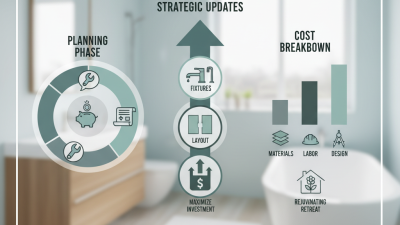
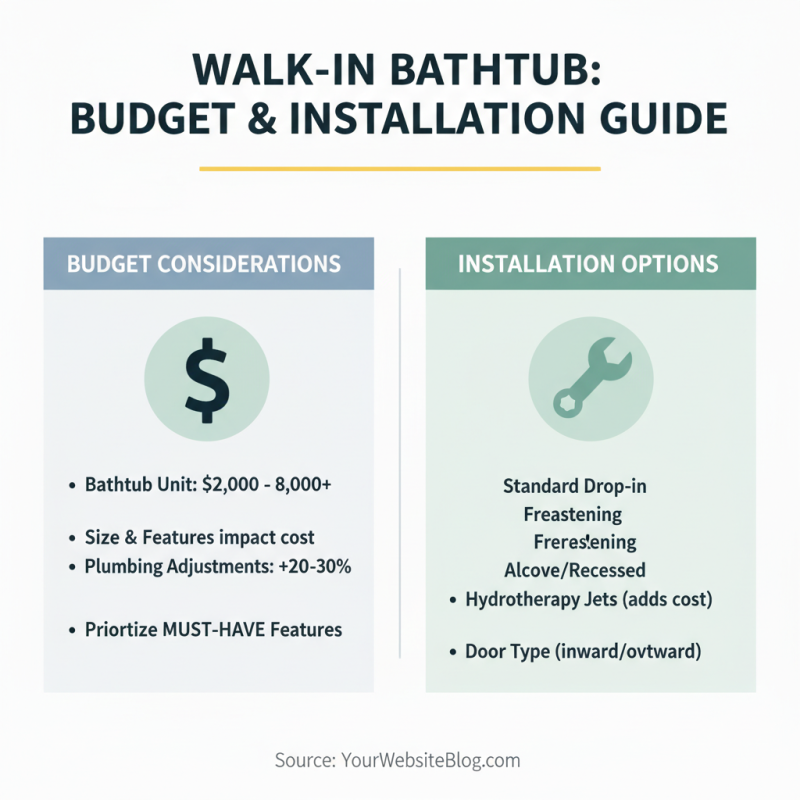
When choosing a walk-in bathtub, budget and installation are crucial. The average cost of a walk-in bathtub ranges from $2,000 to $8,000, depending on size and features. Factors like plumbing adjustments can raise installation costs by 20-30%. Understanding your budget will help you prioritize features that matter most to you.
Consider the space available in your bathroom. A standard walk-in tub is about 60 inches long. Ensure your chosen model fits comfortably without compromising functionality. Installation can take anywhere from one to three days. It is vital to hire a qualified professional to ensure safety and compliance with local codes.
Tip: Look for models with non-slip surfaces. Safety should be a priority, especially for seniors. Also, check if the tub has grab bars or built-in seating for extra stability. These features enhance usability but may add to the overall cost. Take your time to weigh the options. After all, investing in a walk-in bathtub is both a financial and a lifestyle choice. Decisions may require careful thought.