Serving Minnesota & Iowa for over 25 years
Choosing the best bath tubs for your home is an important decision. According to a market research report by Grand View Research, the global bathtub market was valued at over $11 billion in 2020. This number shows the steady demand for quality bath tubs, as homeowners seek comfort and style.
The options in the market can be overwhelming. Each style offers unique features that cater to different needs. For example, freestanding tubs create a luxurious centerpiece in any bathroom. On the other hand, alcove tubs are perfect for smaller spaces. It can be hard to determine what will truly fit your lifestyle.
Factors such as size, material, and installation should not be overlooked. Some materials retain heat better, enhancing the bathing experience. However, not every option is suitable for all homes. It’s essential to consider practicality alongside aesthetics to avoid future regret. In the world of bath tubs, the perfect choice balances beauty with functionality.

Choosing the right bathtub for your home involves careful consideration of several key factors. Size is crucial. Measure your bathroom space accurately. A tub that’s too large can make the room feel cramped. Conversely, a tiny tub might feel uncomfortable and uninviting. Think about how the tub will fit with your existing fixtures.
Material also matters. Acrylic, cast iron, and fiberglass each offer different benefits. Acrylic is lightweight and easy to maintain. Cast iron is durable but heavy. Consider how these materials will hold up over time. Reflect on your lifestyle as well. Do you have kids? A deeper tub might be more suitable for baths, while a shallower one can be good for quick showers.
Don’t forget about style. The design of the tub should complement your bathroom decor. A modern tub may clash in a traditional setting. Keep in mind the overall color palette. This could influence your choice. Each decision you make requires careful thought and reflection on how aspects like functionality and aesthetics align with your needs.
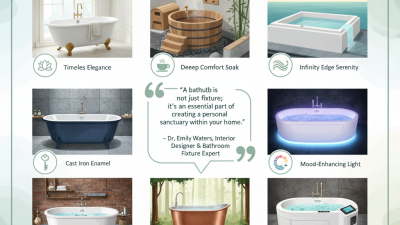
Choosing the right bathtub material can significantly impact your bathing experience. Different materials come with distinct advantages and drawbacks. Acrylic, for example, is lightweight and easy to install. It typically retains heat well, making for a cozy soak. However, it can scratch and may fade over time, which might not suit everyone.
Cast iron bathtubs offer incredible durability and a classic aesthetic. They resist chipping and scratching but are heavy. Installation may require reinforced floors. According to industry reports, homeowners often prefer these for their longevity, but the warmth of the material may be lacking without additional insulation.
When selecting your bathtub, consider maintenance. Some materials require frequent cleaning to avoid staining. For instance, porcelain enamel can chip easily and be hard to maintain.
**Tips:**
Think about installation. Heavy materials might need extra support.
Ensure the material matches your bathroom's style.
Evaluate your budget; some materials can become costly over time.
When selecting a bathtub, measuring your space accurately is crucial. Consider the dimensions of the area where the tub will fit. This includes the length, width, and height of the space. Use a tape measure and note down your measurements. Make sure to check for any obstructions, such as plumbing or walls. Overlooking these details can lead to frustration.
Evaluate the doorways and hallways too. If your chosen bathtub cannot fit through these areas, it becomes a problem. Think about the weight of the bathtub as well. Heavier tubs might need additional support. Sometimes, the ideal tub can be too large or too heavy for the space. It’s worth taking time to consider these aspects closely.
Lastly, reflect on your expectations. A gorgeous bathtub might look great online, but will it fit? Visualizing the bathtub placement can offer clarity. Sketching it on paper can help too. Try to imagine how it will look in real life. Mistakes are easy to make, and they can be costly. Taking these measurements and reflections seriously ensures a better fit.
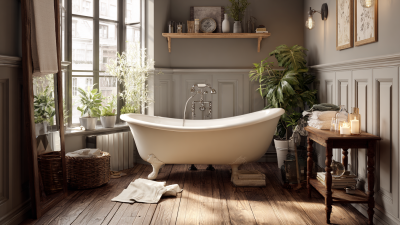
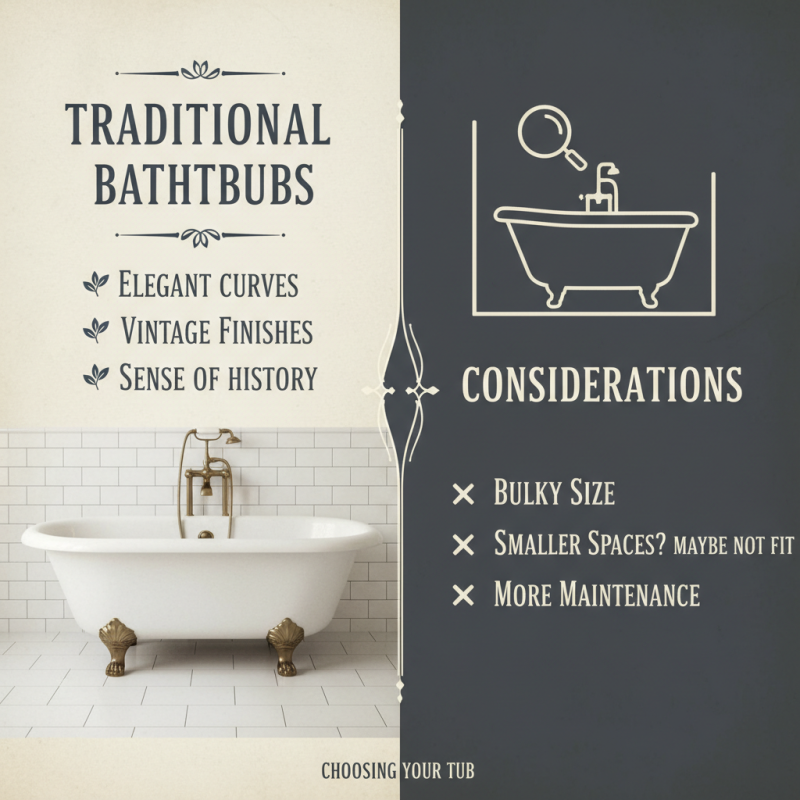
When choosing a bathtub, design plays a crucial role. Traditional bathtubs often feature elegant curves and vintage finishes. They bring a sense of history to your bathroom. Yet, they can be bulky. They might not fit smaller spaces well. These designs usually require more maintenance too.
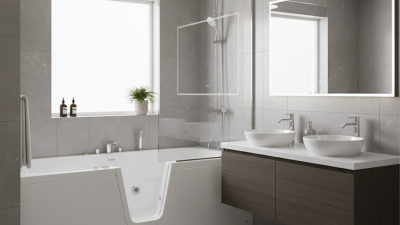
Modern bathtubs boast sleek lines and minimalistic shapes. They often feature materials like acrylic or solid surface for easy upkeep. However, these bathtubs can seem cold and uninviting. Some users find that they lack character. Think about how you want your bathroom to feel.
Consider your lifestyle when selecting a style. A family home might benefit from a larger, sturdier option. On the other hand, a modern apartment may suit a freestanding tub with unique angles. It's essential to weigh aesthetics against practicality. A beautiful bathtub should be functional too.
When budgeting for a new bathtub, it’s essential to consider various factors that influence overall costs.
The average price of bathtubs can range significantly, starting around a few hundred dollars for basic models. Luxurious options can exceed several thousand.
Installation expenses further complicate the financial picture. Hiring a contractor might add a thousand dollars or more to your budget.
Unexpected plumbing issues can inflate costs unexpectedly.
Research is key. Look into average costs in your area. Compare prices from different suppliers.
A simple tub will save money but may lack features. Consider the long-term value.
A higher upfront investment may lead to lower water bills or maintenance costs.
If you're unsure about installation, consult multiple contractors. Get at least three quotes to make a more informed decision.
Remember to balance quality and budget. Investing in a durable tub can mean fewer repairs. However, you must also consider personal needs and preferences.
Reflect on how often you take baths versus showers.
Choosing a bathtub should align with your lifestyle. Managing expectations can help avoid overspending.