Serving Minnesota & Iowa for over 25 years
Choosing the right window can transform a home. A Green Sliding Window is an eco-friendly choice that enhances aesthetics. It offers energy savings and modern design.
Before deciding, think about your home’s style. The right Green Sliding Window should blend well with existing elements. Consider the material and size. They impact insulation and durability.
Green Sliding Windows come in various designs. Each features unique energy-efficient technologies. However, the choice is often overwhelming. Take time to reflect on your needs and preferences. Look at samples in natural light. It reveals colors and texture better. A thoughtful selection can lead to rewarding outcomes.
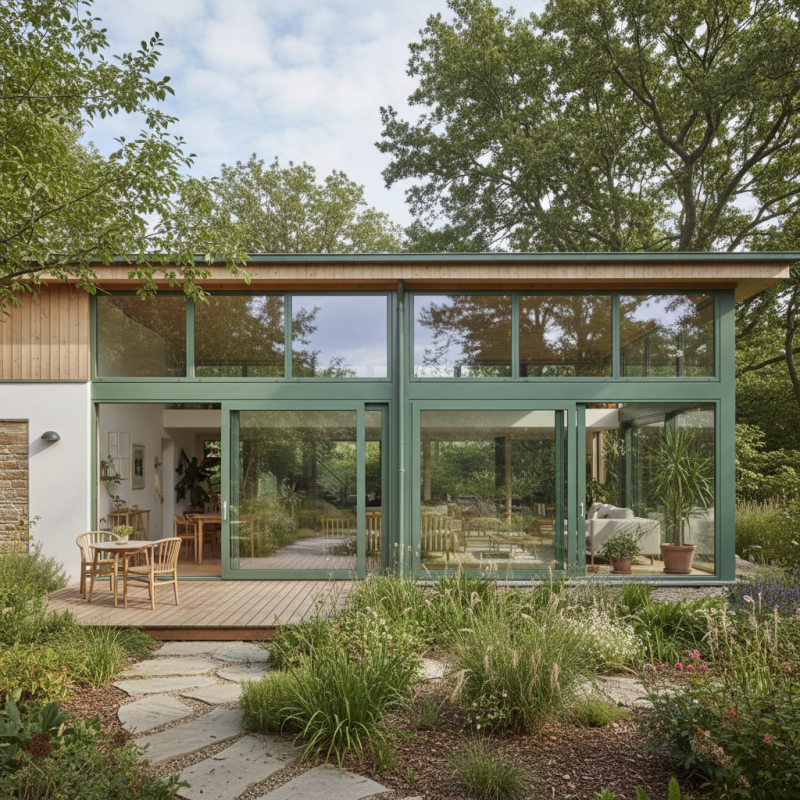
Green sliding windows offer several advantages for homeowners. One of the most notable benefits is energy efficiency. These windows are designed to minimize heat transfer. This means they can keep your home cooler in summer and warmer in winter. By using less energy for heating and cooling, you can lower your utility bills.
In addition to saving on energy costs, green sliding windows enhance comfort. They help maintain a stable indoor temperature, making your living space cozier. Many homeowners appreciate the aesthetic appeal, as they create an inviting atmosphere. However, not all choices are perfect. Some options might require frequent maintenance or are less durable than expected.
Choosing the right green sliding window can be challenging. Factors such as material, style, and size matter. You may need to research and compare different varieties. Sometimes, what looks great may not perform well. Make sure to consider your home’s specific needs. Rushing into a decision often leads to regrets later.
When selecting a green sliding window for your home, energy efficiency should be a top priority. Look closely at materials. Vinyl and fiberglass frames offer excellent insulation. Wood is beautiful but may require more maintenance. Consider the window's glazing as well. Double-glazed or Low-E glass can dramatically reduce heat transfer. These features can significantly improve your home's energy performance.
You'll want to assess the window's performance ratings too. Pay attention to U-values and solar heat gain coefficients. These numbers tell you how well the window will keep heat in during winter and block it out in summer. Ensure you understand what these ratings mean and how they affect your utility bills.
Don't forget about installation. A poorly installed window can negate any energy savings. Hiring a professional can prevent air leaks. However, be cautious; not all contractors have the same quality. Do your research. Ask for references and check previous work. Your choice impacts both comfort and efficiency. Each detail counts, so evaluate your options carefully.
Choosing the right style for green sliding windows is crucial. These windows can enhance your home's aesthetic. Consider the architectural style of your house. A modern home may benefit from sleek, minimalist designs. Meanwhile, a traditional home might look great with classic frames.
Color is also important. The shade of green must complement your home’s exterior. Light greens offer a fresh, airy look. Dark greens provide a bold statement. Think about the overall decor. Will the windows match your furniture and landscaping? Ask yourself these questions. Make sure to visualize different combinations.
Don’t overlook functionality. Sliding windows should operate smoothly. Test the mechanism before buying. Look for styles that provide adequate ventilation. Reflect on how often you will open them. Aesthetic value is vital, but practicality matters too. Finding the right fit takes time and careful consideration. Embrace the exploration process.
Choosing the right green sliding windows involves more than just aesthetics. Cost is a critical factor. Research shows that homeowners spend an average of $400 to $800 per window. This range often results in confusion when trying to balance quality and budget.
Quality windows may have a higher initial cost but can save money in the long run. Energy-efficient windows can lower heating and cooling costs by up to 15%. A recent report from the Department of Energy indicates that these windows pay for themselves within ten years. However, not everyone can afford the upfront costs.
It's crucial to consider long-term savings versus immediate expenses. Some budget options may appear cost-effective but might lack durability. Compromise quality, and you may face higher repair costs. Furthermore, local installation costs can significantly affect the budget. Getting quotes is essential, as these costs can range from $150 to $300 per window. Assessing both quality and budget can lead to better decisions in the long term.
When installing green sliding windows, proper fitting is crucial for performance. A study by the American Window and Door Institute reveals that improper installation can lead to a 30% increase in energy costs. Start by measuring your window frame accurately. Any gaps or misalignments can cause air leaks and moisture issues over time. Use a level to ensure the window sits evenly in its frame. Small mistakes during installation can lead to bigger problems later.
Maintenance practices are equally important. Regularly check the tracks and rollers for debris. A report from the National Association of Home Builders indicates that 50% of sliding window issues arise from poor maintenance. Lubricate the tracks at least twice a year. This simple task can significantly extend the lifespan of your windows. Keep an eye on weather stripping; if it appears worn or damaged, replace it immediately to prevent drafts. Remember, even high-quality windows require diligence and care to remain efficient and functional.