Skip to content

Reviews

How to Choose the Best Sliding Glass Windows for Your Home?

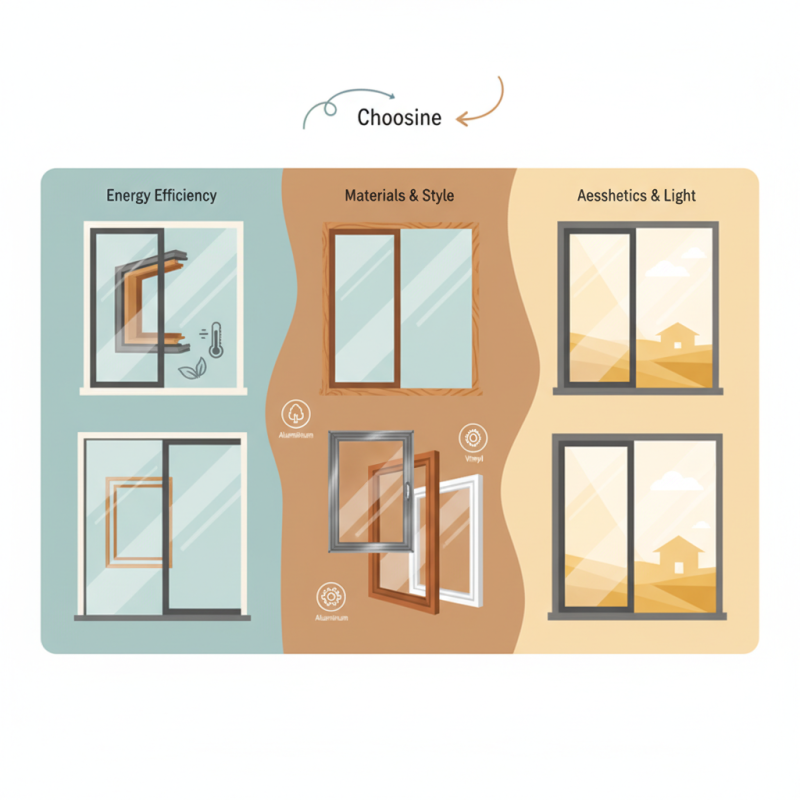
Choosing the right Sliding Glass Windows for your home can seem overwhelming. With so many options, it’s crucial to focus on quality and design. Sliding glass windows not only enhance your home’s aesthetics but also improve energy efficiency. A well-chosen window can offer stunning views and maximize natural light.

Consider the materials used in sliding glass windows. Options include vinyl, aluminum, and wood. Each material has its pros and cons. For instance, vinyl is low-maintenance but may lack the elegance of wood. Think about your home’s architecture. Choosing windows that align with your style is vital for a cohesive look.

Energy efficiency is another significant factor. Look for windows with good insulation and energy ratings. These features can reduce your energy bills and increase comfort. While this may seem like a lot to consider, spending time on research can yield rewarding results. Remember, the best choice balances beauty, functionality, and sustainability.
How to Choose the Best Sliding Glass Windows for Your Home?

Understanding the Basics of Sliding Glass Windows

When considering sliding glass windows, understanding their basics is crucial. These windows operate on a simple mechanism. They slide open horizontally, allowing for easy access and a seamless transition between indoor and outdoor spaces. Their design promotes natural light, making rooms feel larger and more welcoming.

Tips for choosing the right sliding glass windows include assessing energy efficiency. Look for windows with good insulation properties. This factor can significantly impact your energy bills over time. Also, consider the material; vinyl, aluminum, or wood all have distinct advantages. Each material offers different durability and maintenance levels.

It's essential to visualize how these windows fit your home décor. Think about frame colors and styles that complement your interior. Remember, not every sliding glass window is perfect for every setting. Evaluate functionality and aesthetics carefully. The wrong choice could lead to dissatisfaction, so take your time to reflect on your options.

Evaluating the Energy Efficiency of Sliding Glass Windows

Energy efficiency is a key factor when choosing sliding glass windows. These windows can greatly influence your home's energy consumption. According to the U.S. Department of Energy, up to 30% of a home's heating and cooling energy can be lost through inefficient windows.

When evaluating energy-efficient sliding glass windows, look for low-E glass coatings. These coatings can reduce heat transfer. They reflect infrared energy and keep your home cooler in summer. The National Fenestration Rating Council (NFRC) provides ratings for different window types. Pay attention to the U-factor, which measures insulating properties. A lower U-factor means better insulation.

Another aspect to consider is the spacer system. Warm-edge spacers can reduce heat loss. A recent report indicated that homes with warm-edge spacers could save up to 10% more energy compared to standard spacers. Additionally, check for air leakage ratings. Windows with lower air infiltration prevent drafts and maintain a consistent indoor climate. Balancing aesthetics and functionality is important, but don't overlook these efficiency metrics.

Choosing the Right Material for Sliding Glass Windows

When selecting sliding glass windows, material choice is critical. Common materials include vinyl, wood, and aluminum. Each has unique properties. Vinyl is popular due to its energy efficiency and low maintenance. It resists fading and warping, making it a reliable option for many homeowners. However, some may find the color selection limited, which can restrict design choices.

Wood offers a classic aesthetic but comes with challenges. It requires regular maintenance to prevent rot and damage. While wood can be painted or stained, it might not be ideal in humid climates. On the other hand, aluminum is strong and lightweight. It's durable and resistant to the elements. However, it may not provide the same insulation as other materials, leading to higher energy costs over time.

Considering these factors is vital. Think about your climate, aesthetic preferences, and maintenance willingness. Reflect on your home's architectural style, too. The right material can enhance beauty and efficiency. Ultimately, the best choice reflects your specific needs and lifestyle. Assess the trade-offs before making a decision.

How to Choose the Best Sliding Glass Windows for Your Home? - Choosing the Right Material for Sliding Glass Windows

Material Durability Energy Efficiency Maintenance Cost Range
Vinyl High Good Low $150 - $400
Aluminum Medium Fair Medium $200 - $500
Fiberglass Very High Excellent Low $300 - $800
Wood Medium Good High $250 - $600
Composite High Good Medium $300 - $700

Determining the Ideal Size and Style for Your Space

Choosing the right size and style for sliding glass windows is crucial. Start by measuring your existing window space. Width and height are important factors. Be mindful of any obstructions, like outdoor elements. You want your windows to blend into the home’s design, adding both function and aesthetics.

Tips: Opt for larger windows to maximize natural light. This can create a more open feel. However, be cautious; oversized windows might overpower a small room. Try to balance size with other design elements.

Consider your home’s overall architectural style. A sleek, modern design works well with minimal-framed windows. On the other hand, traditional homes might benefit from more ornate styles. Reflect on your neighborhood’s aesthetics too; it helps maintain property value.

Tips: Always think about energy efficiency. Double or triple glazing helps with insulation. It can significantly reduce energy bills. Also, consider maintenance needs when selecting materials. You might prefer lower-maintenance options over time. Always keep practicality in mind as you choose your sliding glass windows.

Installing and Maintaining Sliding Glass Windows for Longevity

When installing sliding glass windows, proper maintenance is essential for long-term performance. Regular cleaning helps prevent dirt buildup that can cause scratches. Use a mild detergent and a soft cloth for the glass surfaces. For tracks, ensure they are free of debris. This prevents operational issues and misalignment. Check weather stripping regularly. Replace it if it shows signs of wear.

**Tips:** Always lubricate the sliding tracks every few months. This keeps the window sliding smoothly. Inspect your windows for any leaks. If you spot any, address them quickly to avoid water damage.

Consider professional assistance for installation. An expert ensures the windows fit correctly, preventing future issues. However, DIY maintenance is manageable. Learning basic upkeep can save costs in the long run. Remember, neglect leads to problems. Be proactive in caring for your sliding glass windows.

Comparison of Different Sliding Glass Window Materials