Skip to content

Reviews

How to Choose Exterior French Doors in 2026?

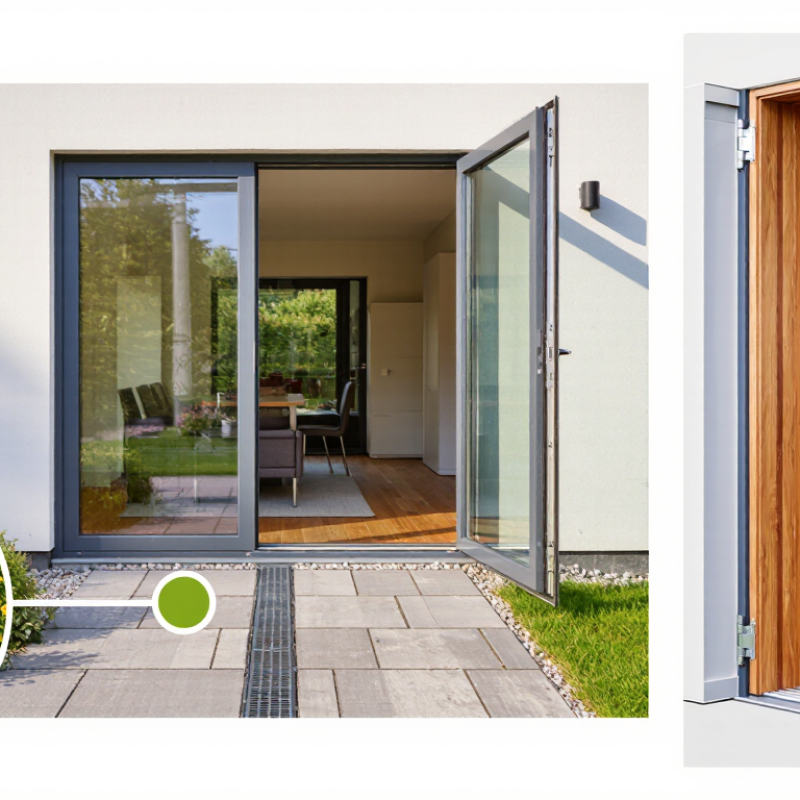
Choosing exterior French doors in 2026 involves more than selecting an attractive frame. These doors influence daylight, ventilation, security, energy use, and everyday comfort. A well-chosen pair can make a narrow patio feel connected to the garden. A poorly specified pair may admit drafts, collect water, or become difficult to operate.

This guide examines the practical details behind reliable french doors exterior installations. It considers frame materials, glazing, weather seals, threshold design, hardware, and opening direction. Local climate matters. Coastal homes may need corrosion-resistant hardware, while colder regions demand strong thermal performance and careful installation. Check published performance data, warranty terms, and independent certification before trusting a sales claim. Product labels can sound impressive.

Real-world experience also changes the decision. A wide opening looks elegant, but it requires enough wall space and a clear path for both doors. Furniture placement matters more than many showrooms suggest. Measure the opening at several points, inspect the surrounding structure, and confirm drainage before ordering. Professional fitting is especially important because even excellent doors can perform poorly when the frame is uneven.

No door is perfect. Homeowners often compromise between maximum glass area, stronger security, lower maintenance, and budget control. That compromise deserves honest consideration. A slim aluminum frame may suit a modern extension, while engineered timber can bring warmth and repairability. Composite designs may balance both, though their quality varies. The best choice is not the most expensive option. It is the door that matches your climate, building structure, daily habits, and long-term expectations. Take time to question attractive promises. Small details become obvious every day.
How to Choose Exterior French Doors in 2026?

Define Your Exterior French Door Needs and Opening Requirements

Before choosing exterior French doors, define how the opening will work every day. Will both panels open, or will one remain fixed? Measure the rough opening, not only the visible frame. Record width at the top, middle, and bottom, then check height on both sides. A small difference can signal settlement or a non-square wall. Measure twice.

Plan the clear passage around furniture, steps, and nearby walls. An inswing door needs interior floor space, while an outswing door needs a level exterior landing and protection from snow or standing water. The sill pan, flashing, and drainage path matter as much as the door itself. Water matters. Confirm local requirements for safety glazing, threshold height, emergency escape, and accessible approach before ordering.

Energy performance should match the climate and the room’s exposure. The U.S. Department of Energy’s Energy Saver guidance estimates that windows can account for about 25% to 30% of residential heating and cooling energy use. Ask for certified NFRC ratings, especially U-factor and solar heat gain coefficient.

Lower U-factor generally reduces heat transfer; SHGC should reflect sun direction and climate. A shaded west-facing opening may need different glass from a cold, exposed elevation.

I have seen attractive doors underperform because the opening was measured perfectly, but the installation gap, sill support, or flashing was ignored. That is an easy mistake to repeat.

Compare Door Materials, Glass Options, and Energy Performance

How to Choose Exterior French Doors in 2026?

Material affects comfort, maintenance, and long-term performance. Wood offers warmth and strong insulation, but exposed edges need regular sealing. Fiberglass resists moisture and movement, making it practical for rainy entrances. Vinyl usually costs less and insulates well. Aluminum is slim and durable, but it needs a thermal break to reduce heat transfer. My own caution: attractive frames can still perform poorly when installation is rushed.

Glass deserves equal attention. The U.S. Department of Energy reports that windows can represent 25–30% of household heating and cooling energy use. Choose double or triple glazing with low-emissivity coatings and inert-gas fills. A lower U-factor limits heat loss. A suitable solar heat-gain coefficient, or SHGC, controls unwanted summer heat. The right value depends on climate and room orientation. North-facing doors need different glass from sunny west-facing doors. Check the National Fenestration Rating Council label, not only the sales description.

Tips: Measure the rough opening carefully. Request whole-door U-factor data. Ask about air leakage testing. Look for compression seals and adjustable hinges. Inspect the threshold after heavy rain. A perfect glass package cannot fix a warped frame. Published ratings also assume correct installation, which is often the weak point. I would budget for professional fitting, even when the door seems simple. Small gaps become obvious on a windy evening.

How to Choose Exterior French Doors in 2026?

Compare door materials, glass options, and energy performance.

The chart compares representative whole-door U-factor values for similarly sized exterior French doors. Lower U-factor means better insulation and lower heat transfer. Low-E argon double glazing is a practical balance of efficiency and cost, while triple glazing generally delivers the best thermal performance. Actual results vary with frame design, glass area, spacer technology, installation quality, and climate.

Evaluate Security Features, Weather Resistance, and Maintenance

Choosing exterior French doors in 2026 starts with security, not decoration.

A wide glass opening needs more than an attractive handle. Look for laminated or impact-rated glass, reinforced meeting stiles, and multipoint locking. ANSI/BHMA security grades help compare hardware performance under standardized tests.

The U.S. Department of Justice also identifies doors and windows as common entry points in residential burglaries. That makes weak strike plates a poor compromise. Use long screws that reach the wall framing. Small detail, big difference.

Weather resistance deserves equal attention. The FGIA/AAMA 101 standard evaluates air leakage, water penetration, and structural performance. Ask for tested ratings, not vague phrases such as “all-weather.” Check the NFRC label for U-factor and solar heat gain coefficient.

The U.S. Department of Energy reports that windows can account for 25–30% of residential heating and cooling energy use; glazed doors can create similar envelope losses. Low-emissivity glass, insulated frames, and correctly installed sill pans can reduce drafts and moisture problems.

Installation matters more than many buyers expect.

Maintenance should fit your real routine. Factory-finished surfaces usually need gentle cleaning, while exposed wood needs periodic inspection and renewed coating. Clear the sill after storms. Test locks twice yearly.

I would not trust a perfect-looking door with a poor threshold seal. Even premium specifications cannot repair rushed installation, and that uncomfortable fact is often missed.

Select doors with replaceable weatherstripping and accessible drainage channels, then keep the test reports and installation records.

Select the Right Style, Size, Swing Direction, and Hardware

Exterior French doors can make a narrow patio feel wider and brighter. Choose a style that suits the home’s architecture, not only current trends. Traditional divided glass suits classic façades, while large uninterrupted panels create a cleaner appearance. Low-maintenance finishes are practical in wet or sunny climates.

Measure the opening at several points, including the top, middle, and sill. Walls are rarely perfectly square. Allow space for the frame, insulation, and operating clearance. A door that looks generous on paper may restrict furniture movement in reality. My own early mistake was measuring the slab but ignoring the handle projection. That small oversight changed the usable walkway.

Swing direction deserves careful attention. Inward-opening doors simplify exterior weather sealing, but they consume interior floor space. Outward-opening doors preserve room space, yet wind can stress hinges and create access concerns. Check nearby steps, railings, screens, and drainage before deciding. Ask an experienced installer to verify the rough opening and threshold height.

Hardware should feel solid without becoming visually heavy. Select corrosion-resistant hinges, a dependable multi-point lock, and a lever that remains easy to operate with wet hands. Security glass and adjustable hinges can improve long-term performance. Avoid choosing hardware by appearance alone. Finishes age differently. I would also test the latch in person, because a beautiful handle can still feel awkward after repeated use.

Plan Installation, Budget, Compliance, and Long-Term Care

How to Choose Exterior French Doors in 2026?

Exterior French doors should suit the wall, weather, and daily routine. Measure the opening at the top, middle, and bottom. Older walls often shift slightly. Record the smallest measurement. Check which way the doors will swing, especially near furniture, steps, or a narrow patio. A level threshold helps mobility, but it must still shed rainwater. Installation is rarely just a door purchase. You may need flashing, insulation, trim, drainage work, and interior repairs.

Build a budget with a 15% contingency. Glass upgrades, hardware, delivery, and masonry changes can quickly increase the price. Request an itemized quote, not a single attractive total. Energy performance matters in cold winters and hot summers. Look for suitable U-values, weather seals, and low-emissivity glazing for your climate. A cheaper frame may demand more adjustment later. That trade-off deserves honest attention.

Compliance should be checked before ordering. Local rules may cover emergency escape, safety glazing, wind resistance, threshold height, and accessibility. Ask the installer to explain which documents support those claims. Keep permits, product specifications, and installation records together. Long-term care is practical, not glamorous. Clean tracks, inspect seals, tighten hardware, and repaint exposed timber when needed. Check after heavy rain. Small leaks become expensive when ignored. Even a careful plan can miss drainage problems, so leave access for future inspection.