What is Clad Wood Windows Benefits and Features Explained?
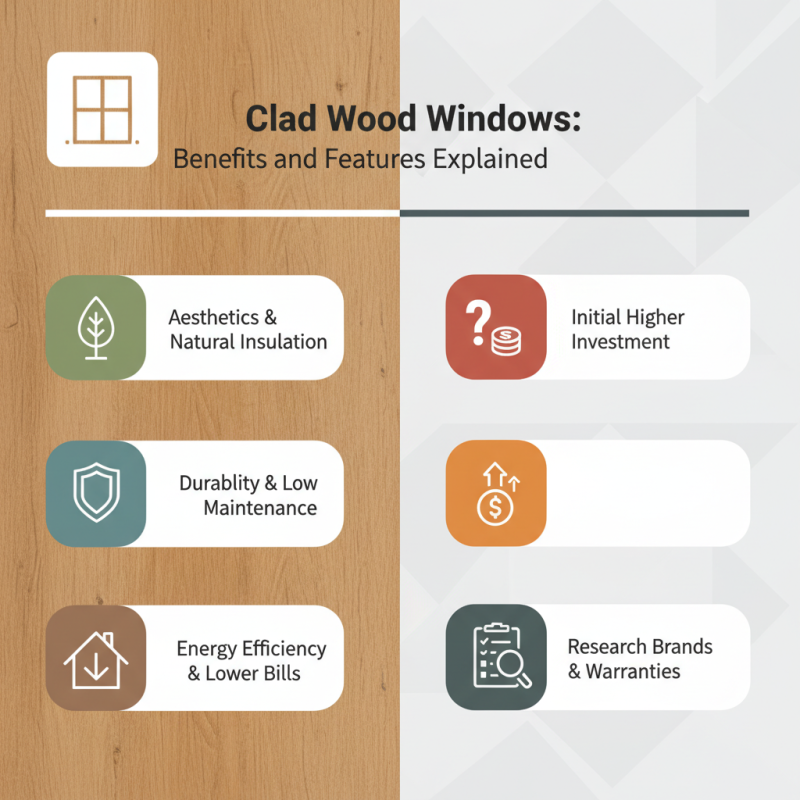
Clad Wood Windows offer a unique blend of aesthetics and functionality. These windows have a wood core that is protected by a durable exterior layer, often made of aluminum or vinyl. This combination provides the warmth of wood while enhancing durability and reducing maintenance. Homeowners appreciate the beauty these windows lend to their homes. However, despite these advantages, some may question their cost effectiveness.
With Clad Wood Windows, homeowners do not have to sacrifice style for practicality. They come in various designs and colors. This allows for customization that can suit any architectural style. Yet, the initial investment can be higher than standard windows. It is essential to weigh the long-term benefits against the upfront costs.
Choosing Clad Wood Windows can be an excellent decision for many. They offer energy efficiency and natural insulation, which can lower energy bills. Still, potential buyers should thoroughly research brands and materials. Different manufacturers provide varying levels of quality and warranties. Being informed is key to making a reliable choice that enhances a home’s value and comfort.
Definition and Composition of Clad Wood Windows
Clad wood windows blend the warmth of natural wood with protective exterior materials. They typically consist of a solid wood core, offering excellent insulation. The exterior is encased in durable materials like vinyl or aluminum. This combination helps to withstand harsh weather while maintaining aesthetic appeal.
One key feature of clad wood windows is their low maintenance. The exterior material resists peeling and rotting, which means less upkeep for homeowners. The wood core, with its natural beauty, can be stained or painted, allowing for customization. However, homeowners should consider the potential for wood expansion and contraction, leading to possible energy loss if not properly installed. This can be a crucial aspect to examine.
In terms of durability, clad wood windows stand out. The exterior shields the wood from the elements. However, the longevity of the materials used can vary. Some may require replacement sooner than others. Additionally, while clad wood windows can be more expensive initially, they often provide value through energy savings over time. It's essential to weigh these aspects thoughtfully.
Advantages of Clad Wood Windows Over Traditional Windows
Clad wood windows offer numerous advantages over traditional wooden options. One of the most significant benefits is their durability. Cladding materials, often aluminum or vinyl, provide a protective layer that resists moisture and weather damage. A study by the Window and Door Manufacturers Association found that clad windows can last up to 50 years, which is nearly twice as long as traditional wood windows.
Energy efficiency is another strong point for clad wood windows. According to the U.S. Department of Energy, well-insulated windows can reduce energy bills by up to 15%. The insulating core of clad windows effectively minimizes heat transfer, keeping homes warmer in winter and cooler in summer. Homeowners can save significantly on energy costs while enjoying enhanced comfort indoors.
Aesthetically, clad wood windows offer a blend of beauty and practicality. They maintain the classic look of wood interiors while providing low-maintenance exteriors. However, some homeowners express concern about the cost. In some cases, installation may be more expensive upfront. Yet, the long-term savings on maintenance and energy can justify this initial investment and lead to greater satisfaction over time.
Durability and Maintenance Requirements of Clad Wood Windows
Clad wood windows combine versatility with strength, making them a popular choice. They feature a wooden core that offers natural insulation. The exterior is covered with durable materials that withstand harsh weather. This design effectively reduces maintenance needs while enhancing longevity.
In terms of durability, clad wood windows excel in resisting the elements. The outer layer protects against moisture, UV rays, and temperature fluctuations. This means that, unlike traditional wood windows, they won’t warp or rot easily.
However, improper installation can lead to issues. Regular checks are still necessary to maintain the window's condition.
Maintenance is relatively simple. Cleaning requires occasional washing with mild soap and water. Inspecting seals and hardware is essential, as neglect could lead to future problems.
While you won’t face the same challenges as all-wood windows, it’s important to be vigilant. A proactive approach will extend the lifespan of your clad wood windows and keep them looking great.
Energy Efficiency Benefits of Clad Wood Windows
Clad wood windows blend the charm of wood with the durability of exterior materials. This combination offers excellent energy efficiency. According to the Department of Energy, windows account for up to 25% of a home’s energy loss. Clad wood windows help minimize this loss due to their superior insulation properties.
Energy-efficient clad wood windows use advanced thermal technologies. These technologies often include multi-pane glass, which can reduce heat transfer significantly. A study by the National Fenestration Rating Council shows that these windows can improve energy savings by 30% to 40% compared to single-pane options. This translates into lower utility bills and a smaller carbon footprint.
Yet, it's crucial to consider climate. In colder areas, proper installation is key. Improperly installed windows can still leak energy, negating potential savings. Homeowners must prioritize proper sealing and insulation around clad wood windows. Regular checks can help maintain efficiency and performance over time. While clad wood windows have impressive benefits, attention to detail is essential to achieve optimal energy efficiency.
Aesthetic Versatility and Customization Options for Clad Wood Windows
Clad wood windows boast remarkable aesthetic versatility. The exterior material can be tailored to suit various architectural styles. Homeowners can choose colors that resonate with their personal taste. This exterior layer is often aluminum or vinyl, providing durability while maintaining the warmth of natural wood inside.
Customization options are nearly limitless. Homeowners can select different grain patterns, paint, or stain finishes for the interiors. This gives rooms a unique touch and character. Designing these windows to align with specific decor trends adds elegance to spaces.
Yet, while this customization is appealing, it’s essential to consider maintenance. Clad wood may require occasional checks to ensure long-lasting performance. Not all combinations yield perfect results, and color fading can occur. It's vital to choose wisely to enhance both beauty and functionality.
 Skip to content