What is Fiberboard Medium Density Board Benefits and Uses?
Fiberboard Medium Density Board, often referred to simply as MDF, is a highly versatile material. It is manufactured by breaking down hardwood or softwood residuals into wood fibers. These fibers are then combined with wax and resin. The result is a dense board that offers numerous advantages for various applications.
This type of fiberboard is renowned for its smooth surface, making it ideal for painting and veneering. It doesn't warp easily, which adds to its reliability in construction and furniture-making. However, some users may find the weight of Fiberboard Medium Density Board an issue. It is crucial to consider the balance between its benefits and the handling challenges it presents.
Furthermore, while MDF can be a great choice for indoor projects, its structural limitations might not suit every environment. Understanding its properties helps in making informed decisions. The market is flooded with options, yet knowing what Fiberboard Medium Density Board brings to the table remains essential for quality results in both DIY and professional settings.
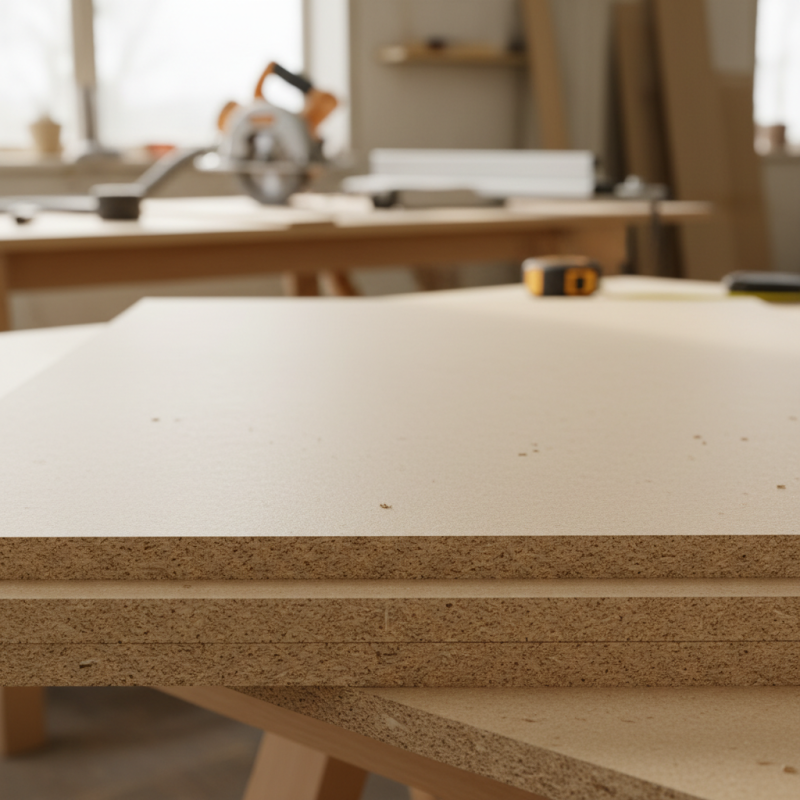
What is Fiberboard Medium Density Board?
Fiberboard medium density board, often referred to as MDF, is a versatile material used in various industries. It is made from wood fibers combined with adhesives, which are then compressed and heated. This process creates a dense, smooth panel ideal for various applications. The resulting board has a consistent surface, making it perfect for painting and veneering.
One of the key benefits of MDF is its ability to be shaped easily. With the right tools, it can be cut, drilled, and routed with precision. This quality makes it popular among furniture makers and interior designers. Additionally, MDF is less expensive than solid wood, offering a budget-friendly alternative without sacrificing aesthetics or functionality. However, it can absorb moisture and should not be used in high-humidity environments.
While MDF offers many advantages, it isn't without shortcomings. For instance, it tends to emit formaldehyde gases, which can be a concern for indoor air quality. Users should ensure proper ventilation during installation and consider sealed or low-emission options. Understanding these challenges is crucial before choosing MDF for your projects. Balancing its benefits and potential drawbacks will lead to better decision-making in its usage.
Key Characteristics of Medium Density Fiberboard
Medium Density Fiberboard (MDF) is a popular choice in the furniture and construction industries. Its unique characteristics make it versatile for various applications. MDF is dense, made from wood fibers bonded with adhesive. This results in a smooth surface that is ideal for painting or veneering. The consistency in thickness allows for precise cuts, making it user-friendly for both professionals and DIY enthusiasts.
One key characteristic of MDF is its ability to be shaped. Unlike solid wood, it can be easily molded. This property enables intricate designs that enhance aesthetic appeal. Moreover, MDF is less prone to warping or cracking compared to traditional wood, offering durability for long-term use. However, care must be taken, as it may not withstand high moisture levels, leading to potential damage.
Another notable quality is its affordability. MDF generally costs less than solid wood, making it accessible for various projects. Yet, users should be aware of its limitations. Proper sealing and finishing are essential to protect the fibers from environmental factors. While it serves well in many scenarios, MDF may not fit every situation. Understanding its strengths and weaknesses can lead to more informed choices.
Benefits and Uses of Medium Density Fiberboard (MDF)
Benefits of Using Medium Density Fiberboard in Construction
Medium Density Fiberboard (MDF) offers numerous benefits in construction. Its smooth surface creates an ideal base for paint and veneer. This feature allows for versatile design options in cabinetry and furniture. Moreover, MDF is lightweight, making it easier to handle and install. The board can be easily cut into various shapes, accommodating unique architectural elements.
Another advantage is its cost effectiveness. Unlike solid wood, MDF is more affordable, making it accessible for budget-conscious projects. However, it’s crucial to note its susceptibility to moisture. Improper sealing can lead to swelling and damage. Builders must consider the environment in which the MDF will be used.
MDF also provides good acoustic properties. It can help reduce sound transmission in residential or commercial buildings. Yet, it’s essential to be aware of potential formaldehyde emissions. Choosing low-emission variants can mitigate health risks. Balancing these factors is vital, ensuring that the benefits outweigh any potential drawbacks.
Common Applications of Medium Density Fiberboard
Medium Density Fiberboard (MDF) is widely used in construction and furniture design. Its versatility makes it a preferred choice for various applications. Common uses include cabinetry, shelving, and decorative moldings. According to a report from the Research and Markets, the global MDF market is projected to reach $30 billion by 2027, highlighting its growing demand.
MDF is known for its smooth surface, which is ideal for painting and veneering. This property makes it a popular choice in interior design. A survey found that 75% of furniture manufacturers use MDF because of its cost-effectiveness and ease of machining. Despite its many benefits, MDF presents challenges. It can be susceptible to water damage and may release formaldehyde emissions, raising concerns about its safety. This reflection on the limitations encourages the industry to develop greener alternatives.
Another key application is in acoustic panels. The dense structure of MDF helps control sound in various environments. Statistics show the acoustic panel market is expected to grow at a rate of 6.5% through 2025. This places MDF in a favorable position, given its dual benefits of aesthetics and functionality. As the industry evolves, addressing its shortcomings will enhance MDF’s reliability and sustain its popularity in multiple sectors.
Comparison with Other Types of Wood Products
Medium Density Fiberboard (MDF) stands out in comparison with solid wood and particleboard. MDF is made from wood fibers bonded together with adhesives, giving it a smooth surface ideal for finishing. Data from the Composite Panel Association shows MDF's density ranges from 600 to 800 kg/m³, making it denser than particleboard but lighter than solid wood. This quality makes MDF more resistant to warping, compared to solid wood, which can twist or crack under stress.
In terms of cost-efficiency, MDF is often more affordable than solid wood while providing similar aesthetic appeal. A study by the Forest Products Laboratory indicates that MDF can be 30-50% less expensive than solid wood alternatives. Despite its advantages, MDF is not without flaws. It can be susceptible to moisture damage if not properly sealed, and its production typically involves formaldehyde-based adhesives, raising environmental concerns. Users must weigh these considerations against their project requirements, as the attributes of MDF and its competitors vary widely.
 Skip to content