Serving Minnesota & Iowa for over 25 years
Home windows are essential to any house. They enhance safety, insulation, and aesthetics. However, issues can arise, leading to discomfort and even costly repairs. According to the National Association of Home Builders, about 25% of all maintenance calls involve window-related problems. Expert David Anderson, a seasoned contractor, emphasizes, "Understanding home windows is crucial to preventing major issues."
Many homeowners overlook common problems. Issues like drafts, leaks, and condensation can degrade comfort and energy efficiency. In fact, research indicates that nearly 30% of energy loss in homes occurs through inefficient windows. Addressing these problems promptly can save money and enhance the overall living experience.
While tackling home windows might seem daunting, quick fixes often exist. Relying on professional insights can lead to effective solutions. Homeowners should be vigilant. Regular checks and maintenance can catch small problems before they escalate. Ignoring window issues may result in larger, more expensive repairs down the line.
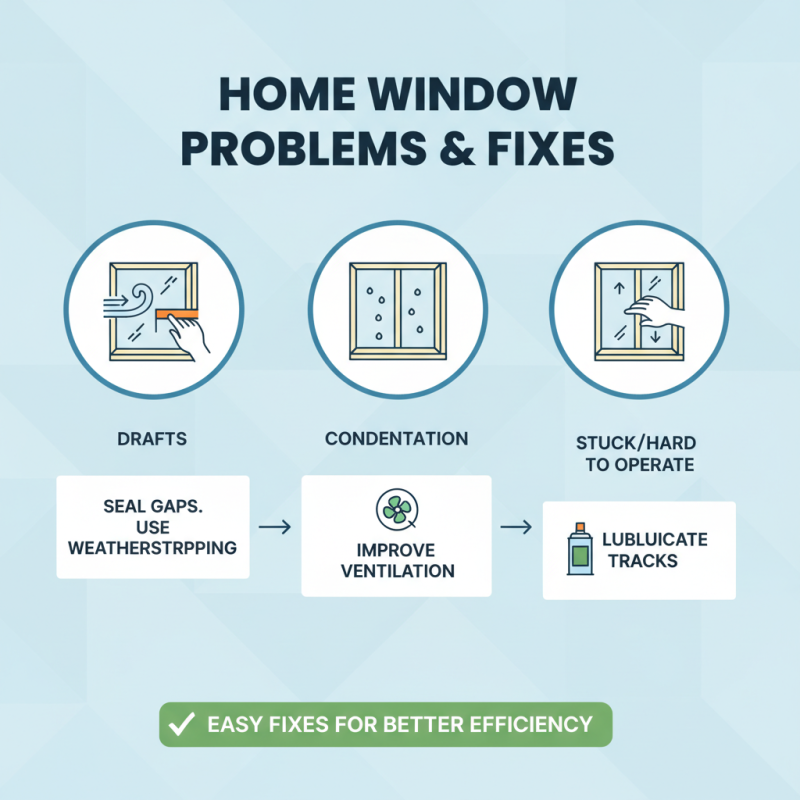
Home windows can encounter a range of issues over time. Common problems include drafts, condensation, and difficulty opening or closing. A draft means air is leaking. Check for gaps around the frame. Use weatherstripping to seal these openings. This simple fix can significantly improve efficiency.
Condensation often appears on the glass. This can be a sign of higher humidity inside the home. In certain cases, it can indicate a failed seal. To combat this, use a dehumidifier. Open windows occasionally to let fresh air in. It’s essential to maintain proper airflow.
Difficulty in operating windows can be frustrating. Sometimes, dirt builds up in the tracks. Cleaning the tracks can help. Remember, windows need some care too. Neglect can lead to more significant problems. Regular maintenance should be part of your routine.
When it comes to home windows, identifying symptoms of issues is crucial. A common problem is drafts. According to the U.S. Department of Energy, nearly 30% of heating and cooling energy is lost through windows. If you feel a draft, it may not just be uncomfortable; it could mean your windows need immediate attention.
Another prevalent issue is condensation. Foggy windows can indicate seal failure, allowing moisture to build inside. A report from the National Association of Home Builders states that poorly sealed windows can increase energy costs by 10-25%. This not only affects your comfort but also can lead to mold growth, presenting health risks.
You might notice difficulty opening or closing your windows. This could indicate misalignment or swelling due to moisture. Even minor operational issues can escalate to costly repairs if ignored. Regular inspections and maintenance can catch these symptoms early, saving you both time and money. Ignoring these signs often leads to bigger problems down the line.
Repairing window seals can seem daunting. However, many common issues can be fixed quickly. Start by inspecting the window frame. Look for cracks or gaps in the sealant. Water damage often occurs in these areas. Pay attention to discoloration or mold; these are bad signs.
Gather your materials. You’ll need a putty knife, caulk, and a clean cloth. Remove the old caulk carefully. It's essential to achieve a smooth surface. Clean the area thoroughly to ensure proper adhesion. Apply the new sealant evenly along the joints. This step is crucial for preventing leaks.
Test your work by checking for gaps. Step back and assess from different angles. Always take your time; rushing may lead to missed areas. This process is not just about fixing a problem, but also preventing future ones. It’s important to reflect on how small repairs can save larger costs later on.
| Issue Type | Description | Causes | Repair Steps | Estimated Time |
|---|---|---|---|---|
| Drafty Windows | Cold air entering around the window edges. | Worn-out seals, poor installation, or age. | Inspect seals, apply weatherstripping or caulk, replace damaged seals. | 1-2 hours |
| Condensation Between Panes | Moisture trapped inside double or triple-pane windows. | Failed seals allowing humid air to enter. | Seal leak with professional help, replace the entire window if necessary. | 2-4 hours |
| Sticking Windows | Windows that do not open or close smoothly. | Debris, paint buildup, or misalignment. | Clean tracks, lubricate hinges, and adjust alignment. | 30 minutes |
| Foggy Windows | Obscured view caused by condensation between panes. | Broken seals, extreme weather changes. | Remove window, repair seal or replace glass unit. | 3-5 hours |
When dealing with broken window locks and latches, it’s essential to identify the issue first. Sometimes, locks become stuck due to dirt or rust. A simple cleaning with a cloth may fix this, but it often requires a deeper inspection. If the latch is bent, it may not engage properly. Paper or thin cardboard can temporarily help align it. This is a quick fix but may not last long.
In some cases, a screw might be loose. A quick tighten can do wonders. However, if the lock mechanism is broken, more action is needed. Replace it if the parts are worn out or if it doesn't function. You can remove the lock and take it to a hardware store for matching. Remember, a working lock is crucial for your home’s security.
Repairing locks can be a straightforward task. Yet, sometimes it feels overwhelming. Don’t be afraid to ask for help from friends or professionals. Inexperienced hands may cause more damage. Reflect on your skills and choose wisely. Embrace the process, and you’ll learn a lot. The key is to act promptly before small problems escalate.
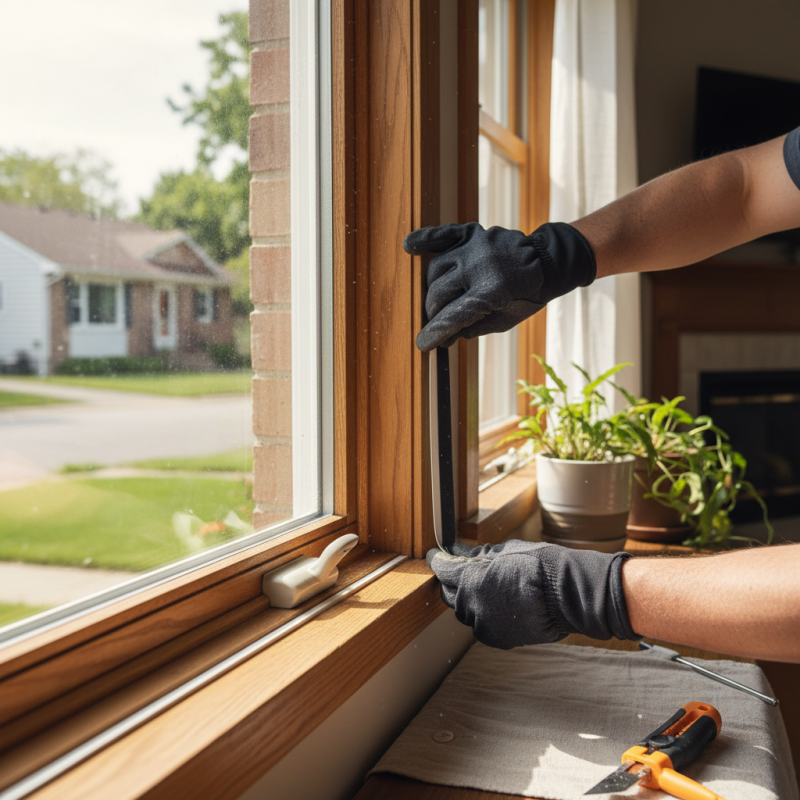
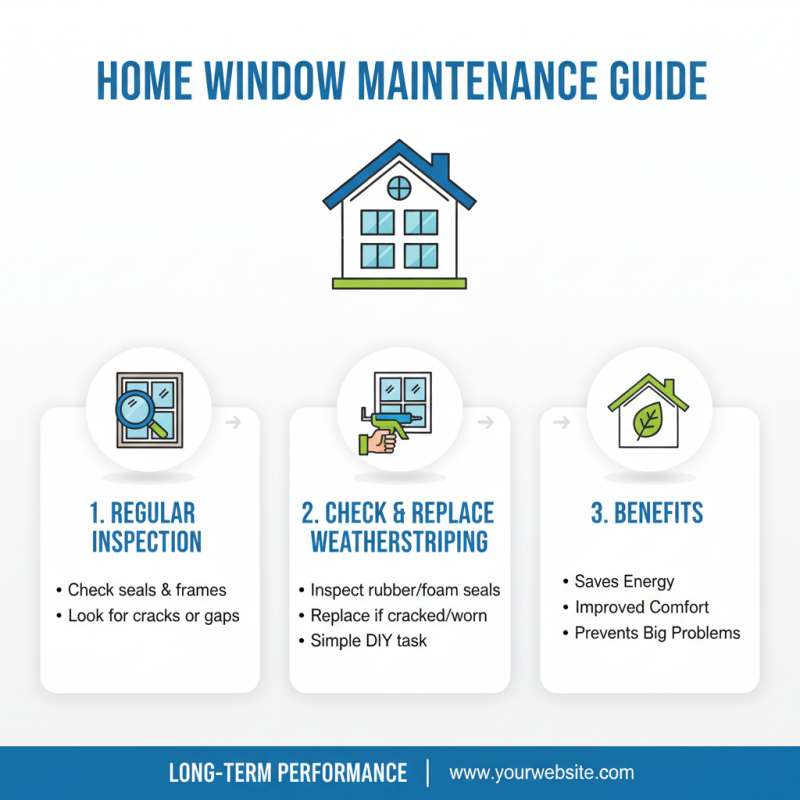
Maintaining your home windows is essential for long-term performance. Regular checks can prevent small issues from becoming significant problems. Start by inspecting the seals around the windows. If you notice cracks or gaps, replace the weatherstripping. This simple task can save energy and enhance comfort.
Another crucial aspect is cleaning the window tracks. Dirt can accumulate over time, hindering smooth operation. Use a vacuum or a damp cloth to remove the grime. Keep in mind that neglected tracks can lead to bigger issues down the line. Make it a habit to clean your windows at least once a month.
Tips for maintaining windows: Check for drafts regularly. If you feel air coming in, it’s time to reassess the seals. Additionally, consider lubricating the hinges. A little oil goes a long way in ensuring ease of use. These simple steps can prolong the life of your windows and keep them looking great.