Skip to content

Reviews

How to Install French Doors for a Seamless Home Upgrade

Upgrading your home can be an exciting yet daunting task, particularly when it comes to enhancing its aesthetic appeal and functionality. One of the most impactful ways to achieve this is through French door installation. These elegant doors not only provide a sophisticated transition between indoor and outdoor spaces but also flood your interiors with natural light, creating an inviting atmosphere. In this guide, we will explore the essential steps to successfully install French doors, ensuring a seamless upgrade to your home.

As you embark on your French door installation journey, careful planning and attention to detail will pave the way for a rewarding experience. From selecting the right doors that complement your home's architecture to mastering the installation process, we will cover all necessary aspects to help you avoid common pitfalls. With the right techniques and tools, you can transform your living space, making it both more functional and visually appealing. Join us as we delve into the intricate world of French doors and discover how they can elevate your home’s charm.
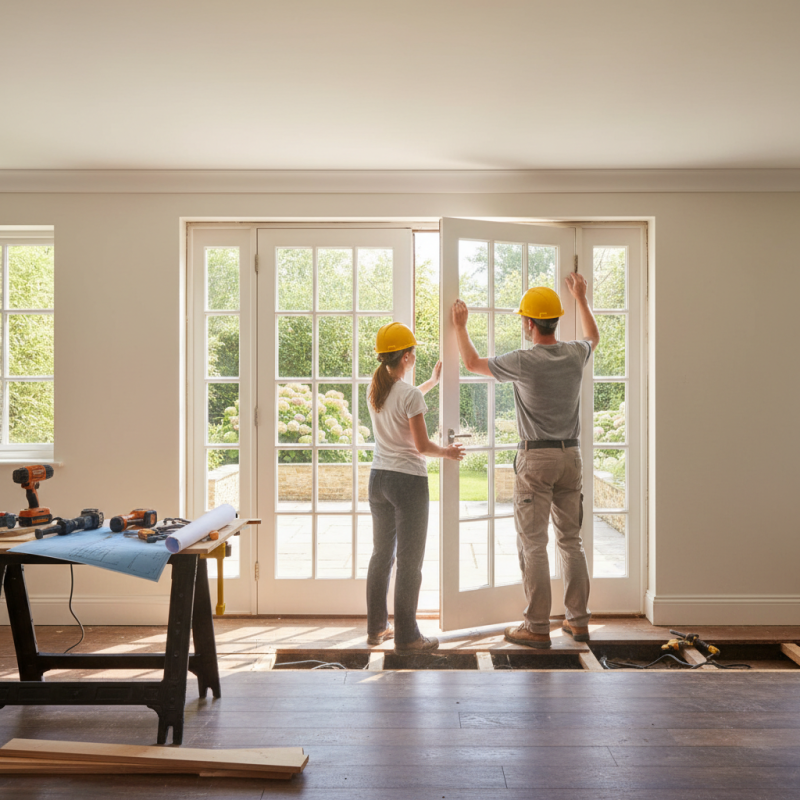
How to Install French Doors for a Seamless Home Upgrade

Choosing the Right French Doors for Your Home's Aesthetic and Functionality

How to Install French Doors for a Seamless Home Upgrade

When selecting French doors for your home, consider both aesthetic appeal and functionality. French doors are not just a design statement; they also serve as practical openings that connect indoor and outdoor spaces. It’s essential to assess the architectural style of your home. For instance, traditional homes may benefit from classic panel designs, while contemporary spaces might call for minimalist styles with sleek lines and large glass panels. Choosing the right materials, such as wood, fiberglass, or aluminum, can further enhance the overall look and provide durability against the elements.

Another important aspect to consider is the functionality of the doors. Evaluate the space where the doors will be installed. If you have limited room, opt for sliding French doors that won’t interfere with furniture or decor when opened. Energy efficiency is also crucial; consider double-paned glass options that provide insulation and reduce energy costs. Finally, think about how the doors will be used—whether to invite natural light, create an airy flow between rooms, or access a patio or garden. Balancing these elements will ensure your French doors enhance both the style and functionality of your home.

Understanding Door Frame Measurements and Calculating Sizes Accurately

When installing French doors, understanding door frame measurements is crucial for ensuring a seamless fit and aesthetic appeal. According to a study by the Home Improvement Research Institute, nearly 40% of homeowners underestimate the importance of precise measurements, leading to costly adjustments and delays.

To begin, measure the height and width of the existing doorframe, accounting for any trim that may affect the final dimensions. The standard door size for French doors is typically 60 inches in width and 80 inches in height, but variations exist based on architectural styles and personal preferences.

Accurate calculations also involve considering the thickness of the door slabs, which typically ranges from 1.75 to 2 inches. Furthermore, allowances for gaps on either side of the door (about 1/8 inch) ensure that the doors swing smoothly and avoid binding.

A report from the National Association of Home Builders emphasizes that proper installation can improve a home's energy efficiency by up to 15%, highlighting the necessity of meticulous measurement and planning. By dedicating time to calculate sizes accurately, homeowners can avoid common pitfalls and achieve a stunning upgrade that enhances both the beauty and functionality of their space.

Essential Tools and Materials for Installing French Doors Seamlessly

When it comes to installing French doors, having the right tools and materials on hand is essential to ensure a seamless upgrade to your home. Start with the basics: a drill, a level, a measuring tape, and a saw are indispensable for the installation process. Additionally, you will need shims to adjust the door frame and screws specifically designed for door installations. Make sure to have a safety kit, including gloves and goggles, to protect yourself while using tools.

**Tips:** Before starting, take precise measurements of the door opening. This will guide you in selecting the correct size for your French doors. It's also important to check for any uneven surfaces that could affect the door's alignment. If needed, make adjustments to the door frame before installation.

Besides tools, gather materials like a door frame, hinges, and weather stripping. Weather stripping is crucial for energy efficiency, as it prevents drafts. During installation, ensure that the doors swing freely and are square within the frame. **Tips:** Use a level frequently during the installation to avoid any misalignment that could lead to operational issues later. Having an extra pair of hands can also make the process easier, providing assistance in holding the doors in place while securing them to the frame.

Step-by-Step Installation Process: From Preparation to Finishing Touches

Installing French doors can significantly enhance the aesthetics and functionality of your home. The installation process requires careful preparation, precise measurements, and attention to detail. According to a recent report by the National Association of Realtors, homes with quality upgrades, such as French doors, can recover up to 70% of their costs in improved property value. This makes the endeavor not only a stylish choice but a smart investment.

Before starting the installation, it's essential to prepare the area properly. Clear any obstacles and ensure the space is clean. Measure the door opening accurately, as a miscalculation can lead to complications during installation. A key tip is to use a level to check that the frame is square. This step is crucial since an uneven frame can result in operational issues down the line.

During the installation phase, ensure that you have all the necessary tools: a power drill, screws, brackets, and shims. As you position the doors, verify that they swing open and close smoothly. Use shims to keep the doors level and secure. For a seamless finish, consider painting or staining the adjacent trim to match your new doors. Remember, the finishing touches can elevate the entire look, making your home feel cohesive and inviting.

Installation Time for French Doors: Step-by-Step Breakdown

Common Mistakes to Avoid When Installing French Doors for Best Results

When installing French doors, avoiding common mistakes can make a significant difference in achieving a seamless home upgrade. One prevalent error is neglecting to take precise measurements. Accurate measurements are crucial, as even slight discrepancies can lead to misalignment, causing doors to stick or not close properly. Always measure the doorframe and verify that the new doors fit perfectly within those dimensions. Additionally, consider the space around the doors to ensure they swing open without obstruction.

Another common pitfall is overlooking the importance of a proper foundation and level installation. An uneven surface can lead to long-term issues such as warping or gaps that allow drafts and moisture to enter. It’s essential to check that the floor is level before beginning the installation process. Furthermore, using inadequate weatherproofing can leave your home vulnerable to the elements. Ensure that you select appropriate seals and flashing to protect against water infiltration and air leakage, enhancing both the longevity and energy efficiency of your French doors.

How to Install French Doors for a Seamless Home Upgrade

Common Mistakes Description Consequences Tips to Avoid
Incorrect Measurements Failing to accurately measure the doorway can lead to ill-fitting doors. Doors may not open or close properly, leading to functionality issues. Double-check measurements and consult a professional if necessary.
Poor Leveling Not ensuring the frame is level can cause doors to sag. Leads to misalignment, difficulty in operation, and increased wear and tear. Use a leveler during installation to ensure proper alignment.
Neglecting Weatherproofing Overlooking weatherstripping or insulation can result in drafts. Increases energy costs and affects indoor comfort. Ensure proper weatherstripping is applied around the frame.
Improper Handle Placement Incorrect placement can make doors difficult to operate. Can lead to frustration and improper usage of the door. Plan handle placement carefully before installation.
Skipping Final Adjustments Not making final tweaks and adjustments can lead to long-term issues. Can result in operational difficulties or misalignment over time. Check the door's functionality after installation and adjust as needed.