Serving Minnesota & Iowa for over 25 years
Embarking on a home improvement project like patio door installation can be both exciting and overwhelming. As homeowners seek to enhance their living spaces, the right patio door transforms not only aesthetics but also functionality, connecting indoor and outdoor environments seamlessly. In this ultimate guide, you'll discover invaluable tips and tricks to tackle the installation process with confidence, whether you're a seasoned DIY enthusiast or a first-time installer.
Understanding the intricacies involved in patio door installation is crucial for achieving a successful outcome. From choosing the right material and style that complements your home to ensuring precise measurements and proper sealing, every step plays a significant role in the overall effectiveness and longevity of your investment. This guide will equip you with essential knowledge and practical advice, enabling you to navigate potential challenges and avoid common pitfalls during the installation journey. Prepare to embark on a transformative project that brings light, space, and fresh air into your home through expertly installed patio doors.
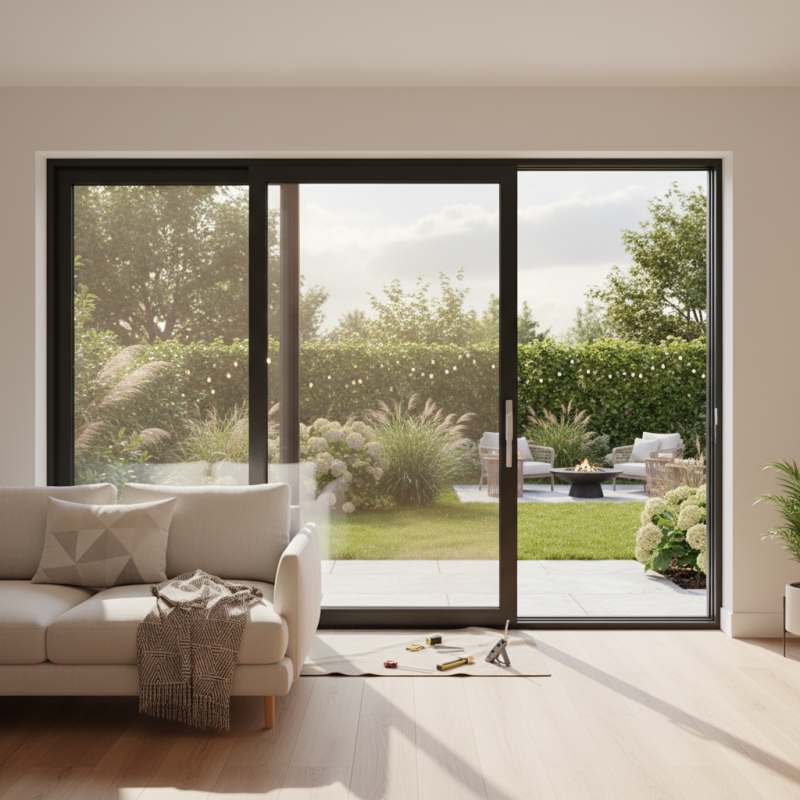
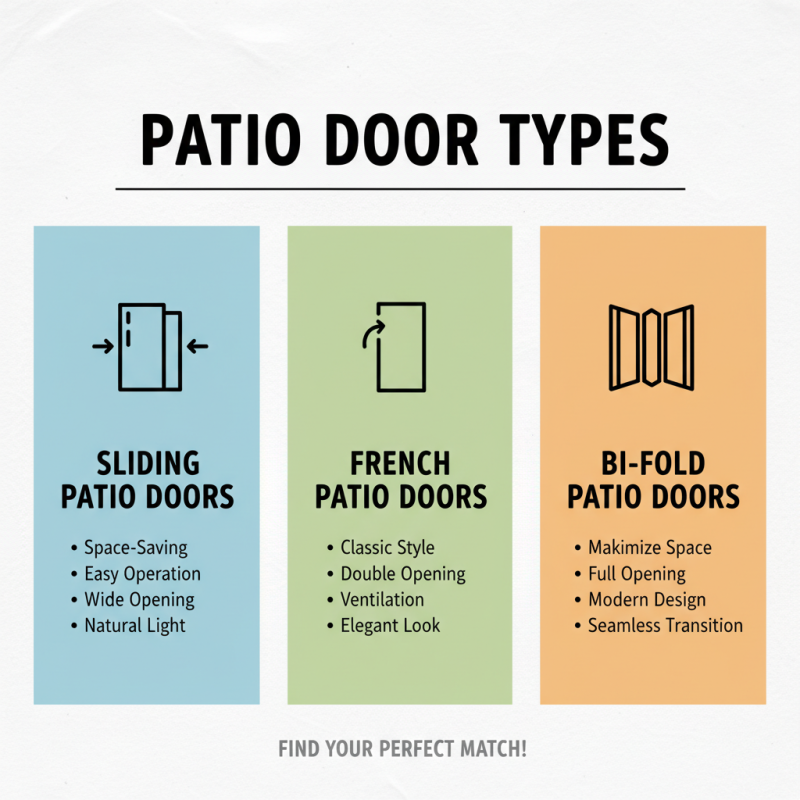
When considering patio doors for your home, it's essential to understand the different types available to find the perfect match for your needs. Sliding patio doors are a popular choice due to their convenience and space-saving design. These doors glide along a track, making them easy to open while providing a wide opening that seamlessly connects your indoor and outdoor spaces. Their large glass panes also allow for maximum natural light, enhancing the ambiance of your home.
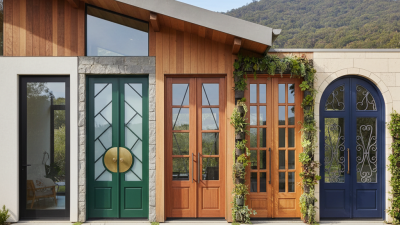
French doors, on the other hand, offer a classic and elegant aesthetic. Typically hinged and opening outward, they provide a wider entrance and can serve as a striking focal point in your home’s design. French doors come in various styles, with options for different materials such as wood, fiberglass, or vinyl, allowing homeowners to select a look that complements their décor. Additionally, folding patio doors are becoming increasingly popular, as they open up an entire wall to create a fluid transition between inside and outside while maximizing fresh air and outdoor views. Each type of patio door has its unique advantages, so understanding your choices is key to enhancing both functionality and beauty in your home.
When it comes to patio door installation, having the right tools and materials is crucial for a successful project.
First and foremost, ensure you have a sturdy measuring tape and a level, as accurate measurements are essential for a proper fit.
You'll also need a square to check the corners of the frame, preventing any unsightly gaps.
Additionally, a drill and a selection of screws will be necessary to secure the door in place.
A reciprocating saw can come in handy for making adjustments to the existing frame if needed.
In terms of materials, start with the door itself, which should be selected based on the desired style and energy efficiency.
Weatherstripping is another essential component, as it helps seal gaps and enhances insulation, keeping your home comfortable.
Don't forget to have caulk on hand for sealing edges and preventing water leaks.
Lastly, having safety gear such as gloves and goggles will ensure you remain protected throughout the installation process.
Arm yourself with these tools and materials, and you’ll be well-prepared to tackle your patio door project with confidence.
When preparing to install a patio door, accurately measuring your opening is crucial for a successful fit. Begin by measuring the height and width of the door frame where the new patio door will be placed. Make sure to take measurements at three different points: at the top, middle, and bottom for width; and at the left, middle, and right for height. Record the smallest measurements, as these will determine the size of your new patio door.
Tips: Always use a level to check your measurements for any discrepancies. If the door frame is out of square, consider adjusting it before installation to avoid complications later on. Additionally, ensure that any debris or obstructions are cleared from the area to provide a clean and safe working space.
Once you have your measurements, it’s a good idea to double-check them before placing an order for the new patio door. This extra step could save you time and money by ensuring that you don’t purchase a door that won’t fit. Remember that a well-measured opening not only makes installation easier but also helps improve the energy efficiency and aesthetic appeal of your home.
When preparing your space for patio door installation, the first step is to evaluate the area where the door will be placed. Clear out any furniture, decorations, or obstacles that may hinder the installation process. This not only creates a safer environment for workers but also allows for an unobstructed view of the area to ensure accurate measurements. Additionally, consider the surrounding space; ensuring that you have enough room to maneuver and tool access is vital for a smooth installation.
Next, take the time to inspect the walls and floor where the new patio door will be installed. Look for any damage or irregularities that could affect the door’s fit and functionality. Ensure that the surface is level and sound, as discrepancies could lead to complications post-installation. If needed, make any repairs or reinforcements prior to the door's arrival. Finally, check the weather forecast and plan the installation day accordingly; working in unfavorable conditions can complicate the process and lead to unnecessary delays. With careful preparation, you can facilitate a more seamless patio door installation.
When installing a patio door, homeowners often overlook critical details that can lead to costly mistakes. One common error is failing to correctly measure the door frame. Accurate measurements are essential for ensuring a proper fit. If the door is too large or small, it can create gaps that compromise energy efficiency and security. Additionally, not accounting for the threshold height can result in drainage issues or water damage over time. Always double-check your measurements before proceeding with the installation.
Another frequent mistake is neglecting to prepare the opening properly. Cleaning the area and removing any debris is vital for a successful installation. Failing to do so can cause alignment problems and make it difficult to secure the door in place. Furthermore, some homeowners forget to check for and address any fluctuating levels in the foundation or frame. Uneven surfaces can lead to functional problems, such as difficulty opening and closing the door. By ensuring that the installation site is level and clean, you’ll set the stage for a smooth installation process.