Serving Minnesota & Iowa for over 25 years
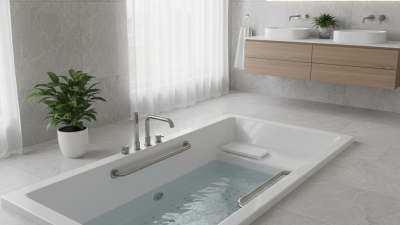
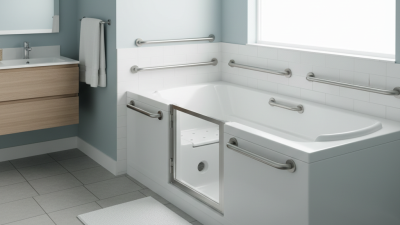
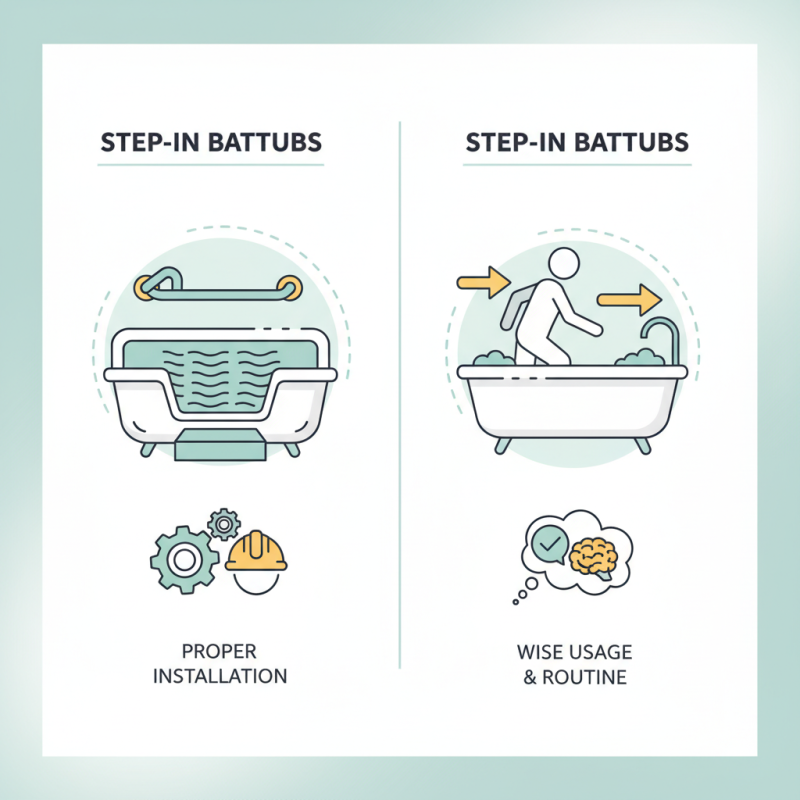
When considering a step in bathtub, safety should always be a top priority. According to industry expert John Hastings, "Proper installation and usage are crucial to prevent accidents." A step in bathtub can enhance accessibility for those with mobility challenges. However, without careful planning, it can lead to dangerous slips or falls.
Choosing the right model is essential. Ensure that the bathtub has a non-slip surface and sturdy grab bars. Installation must be done correctly. A poorly installed bathtub can compromise safety. Seek professional help to ensure everything is up to standard.
User experience is also vital. Understand how to enter and exit the tub safely. Practicing a safe routine can minimize risks. Remember, a step in bathtub is an asset only when used wisely. Reflect on your own habits and ensure they align with best practices for safety.
When installing a bathtub, safety must be the top priority. According to the National Association of Home Builders (NAHB), improper installation can lead to complications like leaks and water damage. This can affect not just the tub itself, but also the structural integrity of your home. Ensure that your workspace is dry and tidy to avoid slips. Always use protective gear like gloves and goggles when handling tools or construction materials.
One vital tip during installation is to check for level. This ensures that water drains properly. If the tub is not leveled, water can collect in areas, leading to mold and mildew growth. The Consumer Product Safety Commission states that 235,000 bathing-related injuries occur annually in the United States. Using a non-slip mat within the tub can also reduce the risk of falls during use.
After installation, test the water temperature to avoid burns. The optimal bathing temperature is around 100°F (38°C). Also, consider having grab bars installed for better support and stability. Remember, regular inspections can help catch issues before they escalate. Take the time to reflect on the safety features you have incorporated. Safety does not have to be expensive, but it does require mindful attention.
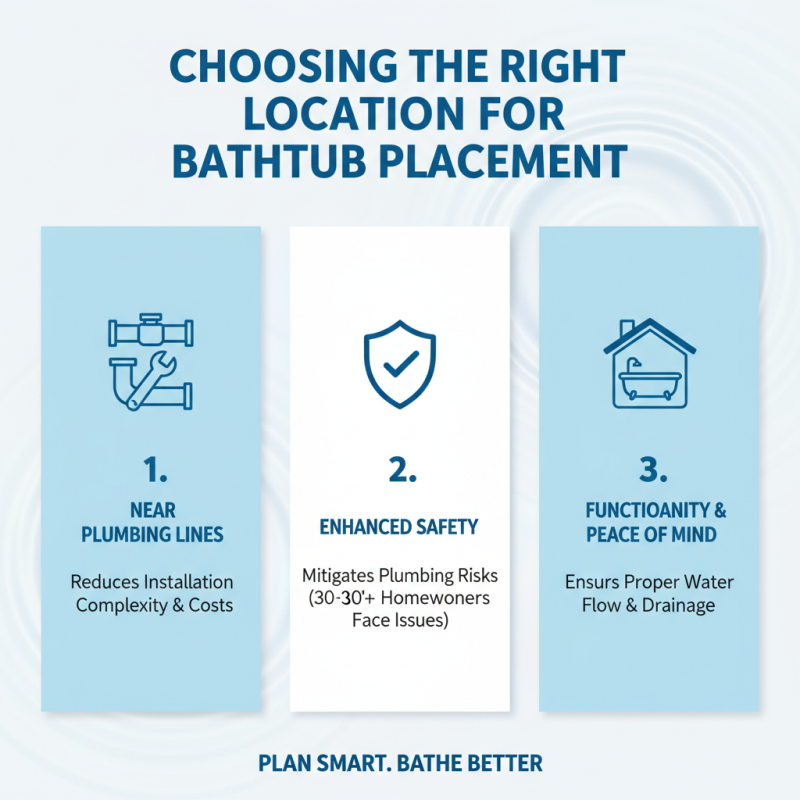
Choosing the right location for bathtub placement is crucial for both functionality and safety. Ideally, your bathtub should be situated near plumbing lines. This reduces installation complexity and costs. A study by the National Kitchen and Bath Association suggests that more than 30% of homeowners encounter plumbing issues during bath renovations. Proper placement mitigates these risks.
Another factor to consider is natural light. Bathrooms with adequate lighting can enhance your bathing experience. Research indicates that spaces with natural light promote relaxation and a sense of well-being. Consider positioning the bathtub near a window, if possible.
**Tips:** Ensure the bathtub is easily accessible, especially for those with mobility issues. An open pathway makes it safer to enter and exit. Also, avoid placing it too close to heavy fixtures like cabinets. These can make the area feel cramped. Leftover space can lead to accidental slips. Regular maintenance checks can ensure the area remains safe and functional.
The bathtub's placement should reflect personal habits as well. For instance, if you prefer evening baths, consider ambient lighting options. Your chosen location should create a balance between style and usability. Even small adjustments can significantly enhance safety and comfort over time.
When installing a bathtub, choosing the right tools and materials is crucial for safety and effectiveness. According to the National Association of Home Builders, ensuring the right setup can prevent accidents in 30% of bathroom installations. Start with basic tools like a level, measuring tape, and caulk gun. These are essential for achieving a stable and secure installation. Consider also safety gear, such as gloves and goggles. These protect against sharp tools and materials.
Plumbing components are key materials. High-quality pipes and fittings can prevent leaks, which cause 14% of water damage issues in homes, as reported by the Institute for Business & Home Safety. Water-resistant materials, like cement board, are critical when surrounding the tub. They reduce mold growth and create a safer, healthier environment. Also, ensure you have plumbing putty and silicone sealant. Both assist in creating watertight seals.
A shower mat can add slip resistance. It’s vital, especially in homes with children or elderly individuals. Ensure it’s non-slip to minimize accidents on wet surfaces. Sometimes, installers overlook minor details like slope adjustments for proper drainage, leading to significant problems down the line. Regular checks of the installation process can help catch these errors. Remember, preparation and careful choices impact safety.
When securing your bathtub, proper techniques are essential. According to industry studies, nearly 30% of bathtub leaks stem from improper installation. Ensuring your bathtub is leveled is the first step. A well-leveled tub prevents unnecessary stress on the seams. This protects against potential water damage and structural issues over time.
Using the right materials is equally critical. Research from the National Association of Home Builders indicates that 52% of installation failures are due to inadequate caulking and sealing. Employ high-quality caulk and sealants specifically designed for bathrooms. Pay attention to joints where the tub meets the wall. These are often overlooked but are crucial for maintaining a watertight seal.
It’s also vital to securely fasten your bathtub to the framing. A bathtub should not shift during use, as this can lead to cracks and leaks. Many installers neglect this step, leading to long-term complications. Regularly inspect the fittings and connections. A small leak can turn into a big problem if not addressed promptly.
Maintaining your bathtub is essential for both safety and longevity. According to recent industry surveys, poorly maintained bathtubs can lead to serious accidents and costly repairs. Regular inspections can identify issues early, preventing slips and falls, which account for over over 200,000 injuries annually in the U.S. alone. Checking for cracks or leaks weekly can save you time and money in the long run.
Routine cleaning is another critical aspect. Use gentle, non-abrasive cleaners to avoid damaging the surface. Harsh chemicals can weaken materials and lead to deterioration. Simple vinegar and baking soda can provide effective cleaning without harm. Remember, a clean bathtub is a safer bathtub. Also, ensure that your bathtub’s slip-resistant surface is intact. Wear and tear can diminish its effectiveness, increasing the risk of accidents.
Consider the temperature of the water as well. A study indicated that water temperatures above 120°F might cause burns, especially for children and the elderly. Always test the water temperature before stepping in. Lastly, remember that personal habits also play a role. Make it a point to avoid rushing or taking your phone into the bathroom, which can be distracting and dangerous. Keep safety as a priority in your bathtub use.