Serving Minnesota & Iowa for over 25 years
A bath remodel can significantly enhance both comfort and home value. According to a 2022 report by the National Association of Realtors, bathroom renovations recoup about 60% of their costs upon resale. This is an encouraging statistic for homeowners considering updates. However, planning a successful bath remodel on a budget can be challenging.
Many homeowners underestimate renovation costs. A mid-range bathroom remodel can range from $20,000 to $50,000. Yet, with strategic planning and thoughtful choices, these expenses can be reduced. Consider prioritizing essential updates that improve functionality. Allocate funds wisely to materials and labor. This approach can help avoid common pitfalls in bath remodel projects.
Balancing aesthetics with budget constraints is crucial. Often, homeowners focus too much on luxury features instead of practical upgrades. While it’s easy to get lost in fancy fixtures, practicality should come first. Investing in durability over trends can lead to lasting satisfaction. Creating a successful bath remodel is possible, even on a budget, with careful consideration and planning.
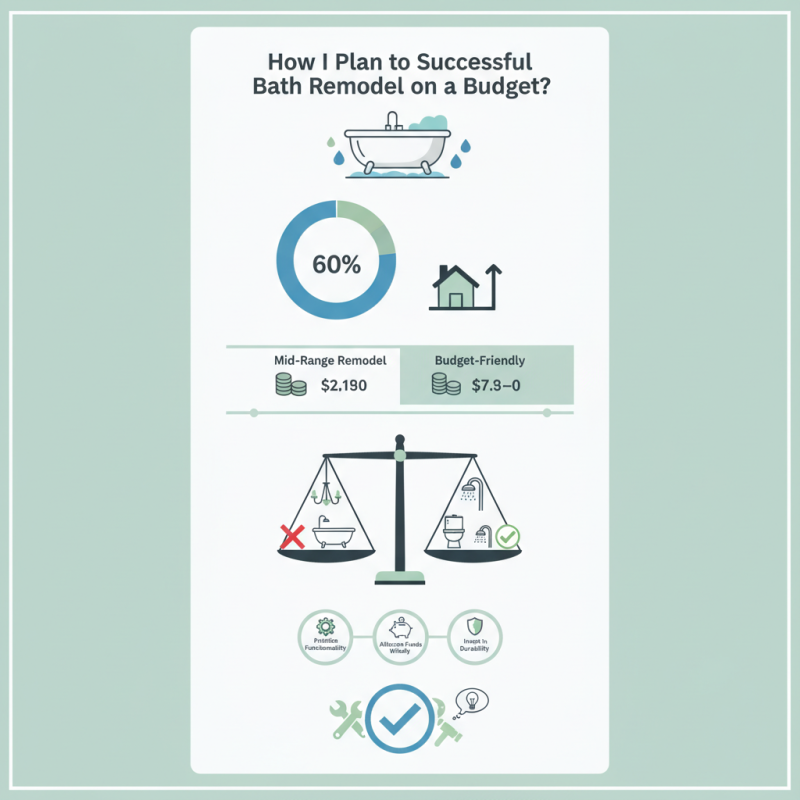
When planning a bath remodel, understanding your budget is crucial. According to a recent Remodeling Magazine report, a mid-range bathroom remodel averages around $21,000. This figure covers essentials like fixtures, tiles, and labor costs. However, budget constraints often lead homeowners to prioritize certain features.
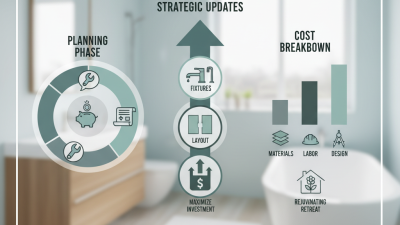
To get a firm grasp on costs, start by breaking down expenses. Labor usually comprises 20% to 35% of the total budget. Fixtures and fittings, such as sinks and faucets, can also vary widely in price. Consider opting for more affordable choices without sacrificing quality. Doing your research can uncover cost-saving alternatives while still achieving a desirable look.
Keep in mind that overruns are common in remodels. Approximately 30% of homeowners experience budget creep, often due to unforeseen issues or design changes. It’s wise to allocate an additional 10% for unexpected costs. Embracing flexibility in your budget can help mitigate stress during the process. Adjusting your expectations based on actual costs can lead to a successful and satisfying remodel.
When planning a bath remodel, determining your priorities is crucial. Begin by distinguishing between essentials and luxuries. Essentials include functional items like a new sink, a reliable toilet, and proper lighting. These are necessary for a comfortable and practical bathroom. Luxuries often involve aesthetic enhancements, such as a soaking tub, elaborate tiles, or high-end fixtures.
Identifying your essential needs helps streamline your budget. Consider how often you use each feature. A shower might be necessary for daily routines, while a larger tub might only be used occasionally. Take time to reflect on what truly enhances your bathing experience.
Also, think openly about your luxuries. Would you prefer heated floors over an upgraded vanity? Identifying what areas you're willing to compromise in can lead to a more efficient design. Planning within these constraints helps maintain focus and avoids overspending. Balancing practicality with desired features can create a satisfying result on a limited budget. Use this reflection to create a space that suits your needs.
Exploring design options for a bathroom remodel can feel overwhelming. Start by identifying styles that truly resonate with you, such as modern minimalism or rustic charm. Look for inspiration in magazines or online galleries. Pay close attention to colors, materials, and layouts that fit your current space and budget. Sometimes, choosing paint or tile colors that complement existing fixtures saves money without sacrificing style.
Consider practical features that enhance daily use, like storage solutions or water-saving fixtures. It’s easy to get caught up in trendy elements, but these might not suit your long-term needs or budget. Small compromises often lead to better overall satisfaction. Picking quality over quantity helps avoid frequent repairs later. Don’t ignore lighting choices; proper lighting transforms a bathroom’s mood and function.
Remember, planning on a budget takes patience and research. Prices fluctuate, and hidden costs can emerge unexpectedly. Sometimes the cheapest option isn’t the best value. Balance your desires with realistic assessments to avoid costly mistakes. Professional advice helps, but don’t undervalue your own judgment in the process. In the end, a thoughtful plan reflects your style and respects your limits.
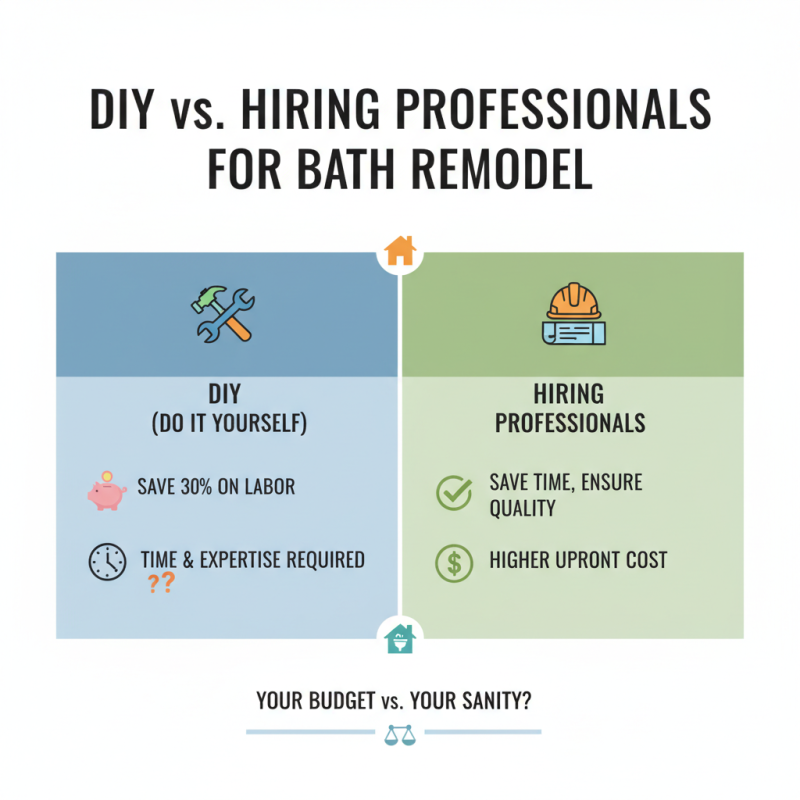
When planning a bath remodel, the decision between DIY and hiring professionals can significantly influence your budget. Industry research shows that homeowners can save an average of 30% on labor costs by tackling projects themselves. However, the trade-off might be your time and expertise. DIY projects often require a solid understanding of plumbing, electrical systems, and design principles. If you're not well-versed in these areas, mistakes can lead to higher costs in the long run.
Hiring professionals offers the advantage of experience and specialized skills. According to a report from HomeAdvisor, remodels completed by experts often yield an increase in home value of around 20%. This can be a compelling reason to invest in professional help. Nevertheless, finding the right contractor is crucial. Poor choices can result in delays and unexpected expenses. It is important to vet professionals carefully, checking references and reviews.
Balancing DIY efforts with professional support can be effective. For instance, you might choose to handle cosmetic updates like painting or new fixtures, while leaving plumbing to an expert. This hybrid approach can maximize savings and ensure quality. However, it requires careful planning and honest self-assessment of your skills and limitations. Adapting to these realities will guide you in making informed decisions throughout your remodel.
Planning a successful bath remodel on a budget requires a clear timeline. According to industry studies, 65% of homeowners experience delays. Proper scheduling can significantly prevent this. Define your start and end dates. Create a list of tasks and stick to it. Delegate responsibilities wisely to avoid confusion.
Common pitfalls often include underestimating costs. Research shows that miscalculations can inflate the budget by 20% or more. Be realistic about your budget. Consider all aspects, like materials and labor. Don’t forget about contingency funds. They can cover unexpected expenses that arise during the remodel.
Identify your priorities early. Focus on essential upgrades that add value. A simple upgrade can yield a 70% return on investment. Additionally, stay informed about trends. Popular choices now include energy-efficient fixtures and water-saving options. These not only enhance appeal but also reduce long-term costs. Keep track of your spending to stay on budget. Regular check-ins can help you adjust without falling behind.
| Key Aspect | Details | Estimated Cost ($) |
|---|---|---|
| Planning | Create a detailed plan including layout, materials, and fixtures. | 200 |
| Timeline | Estimate a realistic timeline for each phase of the remodel. | 0 |
| Budgeting | Set a budget that allows for unexpected costs and stick to it. | 0 |
| DIY vs. Hiring | Determine which tasks you can do yourself and which require professionals. | 0 |
| Material Selection | Choose affordable yet durable materials for fixtures and finishes. | 1000 |
| Common Pitfalls | Avoid underestimating costs and neglecting permits and codes. | 0 |
| Final Touches | Plan for decor and final inspection to ensure satisfaction. | 300 |