How to Successfully Plan Your Bath Remodel from Start to Finish
In recent years, the bath remodel industry has experienced significant growth, with a reported increase of approximately 20% in renovation projects over the past five years, according to the National Kitchen and Bath Association (NKBA). This surge highlights the importance of thoughtful planning, as homeowners strive to create luxurious and functional spaces that enhance their daily routines. Expert designer Jane Smith, a renowned authority in home renovations, emphasizes the necessity of a strategic approach, stating, "A successful bath remodel starts with a clear vision, a well-defined budget, and an understanding of the flow within a space."
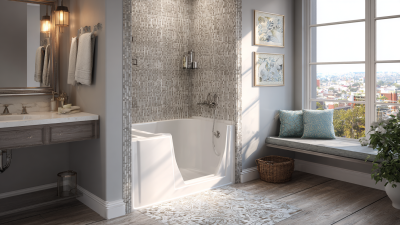
Navigating the complexities of a bath remodel can be daunting, but with proper guidance, it becomes an achievable and rewarding endeavor. From selecting the right materials to understanding the latest design trends, careful planning can ultimately transform an ordinary bathroom into a stunning retreat. By investing time into the design phase and considering factors such as layout and accessibility, homeowners can ensure their remodeled baths not only meet their aesthetic desires but also offer lasting comfort and utility. Understanding the current market trends and aligning them with personal needs can truly elevate the outcome of any bath remodel.
Assessing Your Current Bathroom and Identifying Needs for the Remodel
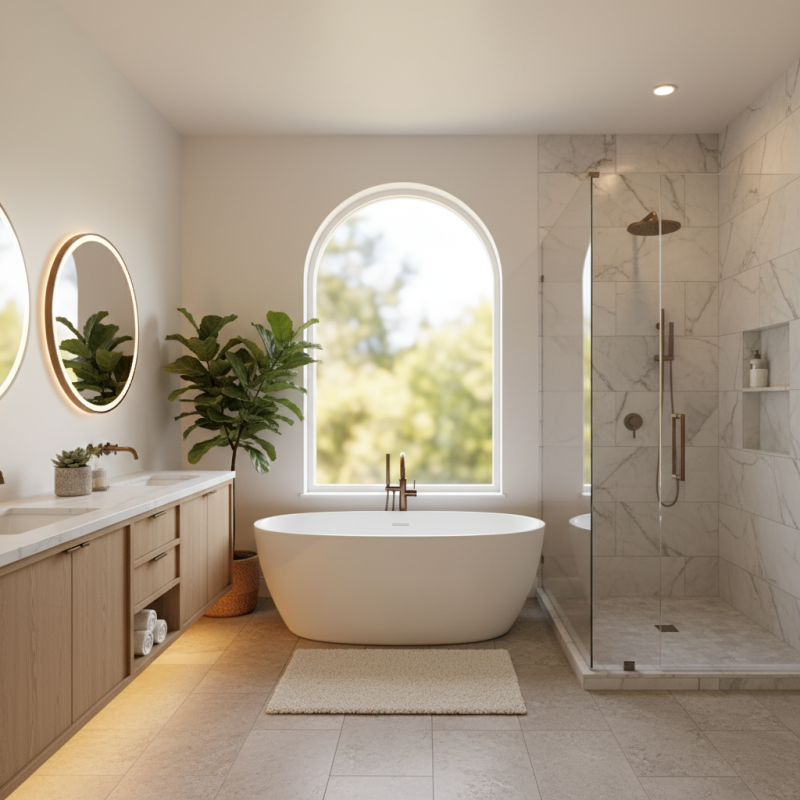
Before diving into a successful bath remodel, it’s crucial to assess your current bathroom thoroughly. Start by examining the layout and dimensions of the space. Identify any structural elements that may impact your design choices, such as plumbing and electrical systems. Take note of natural light sources and ventilation, as these will influence not only the aesthetics but also the functionality of your remodel. Recording your current setup through sketches or photographs can help in visualizing potential changes.
Next, focus on identifying your needs and desires for the remodel. Consider what aspects of your existing bathroom are working well and which ones are not. Are you seeking more storage, improved accessibility, or a spa-like atmosphere? Gathering inspiration from various sources can guide this process, but it’s essential to prioritize features that cater to your lifestyle and preferences. Engaging with household members to discuss their needs might reveal additional insights. This thorough assessment and clarity on your requirements will set a solid foundation for planning a remodel that meets your expectations and transforms your space effectively.
Setting a Realistic Budget and Timeline for Your Bath Renovation Project
When planning a bath remodel, setting a realistic budget and timeline is crucial for a successful renovation project. According to the National Kitchen and Bath Association (NKBA), the average bathroom remodel can cost between $10,000 and $25,000, depending on the project's scope. This wide range underscores the importance of assessing your specific needs and available resources. A detailed budget should not only account for materials and labor but also include potential unforeseen expenses, often estimated to be around 10-20% of the total project cost.
Establishing a timeline is equally important to keep the project on track. On average, a bathroom remodel can take anywhere from 4 to 8 weeks, with larger projects potentially extending beyond that. Factors such as the extent of the remodel, the coordination of various contractors, and the procurement of materials can impact this timeline. A well-structured plan that includes key milestones can help manage expectations and ensure that the project remains on schedule. The Remodeling Future Trends Report indicates that clients who engage in meticulous planning and scheduling are 30% more likely to complete their renovations without significant delays.
Budget Allocation for Bath Remodel
Choosing the Right Design Style and Functional Features for Your Space
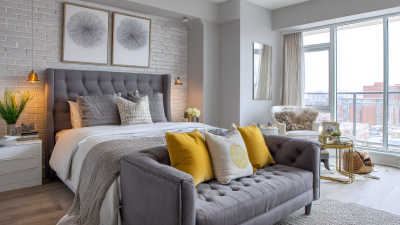
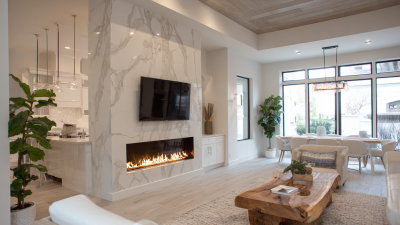
When planning your bath remodel, selecting the right design style and functional features is crucial to creating a space that reflects your personality while meeting your practical needs. Consider whether you prefer a modern, minimalist aesthetic or a more traditional, cozy look. Each style offers unique elements, from sleek lines and neutral colors in modern designs to intricate details and warm tones in traditional ones. Take time to explore various styles through inspiration boards or visiting showrooms to visualize how they would fit in your space.
Tips: To narrow down your design style, create a mood board with images that resonate with you. This helps you identify common elements in your preferences, making it easier to select a cohesive style for your remodel.
Once you've defined your style, focus on the functional features that will enhance usability. Consider features like dual sinks for busy mornings, adjustable showerheads for convenience, or built-in storage solutions to keep your space organized. Incorporating elements like heated floors or smart lighting can also add comfort and modernity to your bathroom.
Tips: Make a list of must-have features and prioritize them according to your budget. This will help you stay focused and avoid overspending on unnecessary items while ensuring your space is tailored to your lifestyle.
Selecting Materials, Finishes, and Fixtures for Optimal Aesthetics and Durability
When planning a bath remodel, selecting the right materials, finishes, and fixtures is crucial for achieving both aesthetic appeal and long-lasting durability. According to the National Kitchen & Bath Association (NKBA), nearly 60% of homeowners prioritize aesthetics when choosing materials, highlighting the importance of balancing beauty with functionality. For instance, ceramic and porcelain tiles are popular choices due to their water resistance and ease of maintenance, coupled with a wide variety of colors and designs. Additionally, natural stone options like granite and quartz are increasingly favored for their unique appearance and durability, with reports indicating that over 47% of remodelers are opting for stone countertops because of their robustness and luxury feel.
Durability also pertains to the fixtures installed in the bath area. The American Society of Interior Designers (ASID) reports that nearly 70% of designers advocate for high-quality, well-engineered plumbing fixtures that offer both style and performance. For example, faucets and showerheads that carry the WaterSense label are not only water-efficient but also offer reliable performance, which can lead to savings on water bills without sacrificing user experience. Selecting finishes that are resistant to corrosion, staining, and scratching is equally important; brushed nickel and matte black are trending for their ability to hide water spots and fingerprints, while maintaining a fresh, contemporary look. This strategic approach to selecting materials and fixtures can significantly enhance both the look and lifespan of a bathroom remodel.
How to Successfully Plan Your Bath Remodel from Start to Finish - Selecting Materials, Finishes, and Fixtures for Optimal Aesthetics and Durability
| Material/Fixture |
Type |
Durability Rating |
Aesthetic Appeal |
Cost Estimate |
| Porcelain Tiles |
Flooring |
High |
Elegant and Versatile |
$3 - $10 per sq ft |
| Granite Countertop |
Countertop |
Very High |
Luxurious Look |
$50 - $100 per sq ft |
| Vessel Sink |
Sink |
Moderate |
Modern and Stylish |
$100 - $500 |
| Brushed Nickel Faucet |
Fixture |
High |
Sleek and Contemporary |
$100 - $300 |
| Acrylic Bathtub |
Bathtub |
Moderate |
Smooth and Modern |
$300 - $800 |
Hiring Professionals vs. DIY: Making the Best Choice for Your Remodel
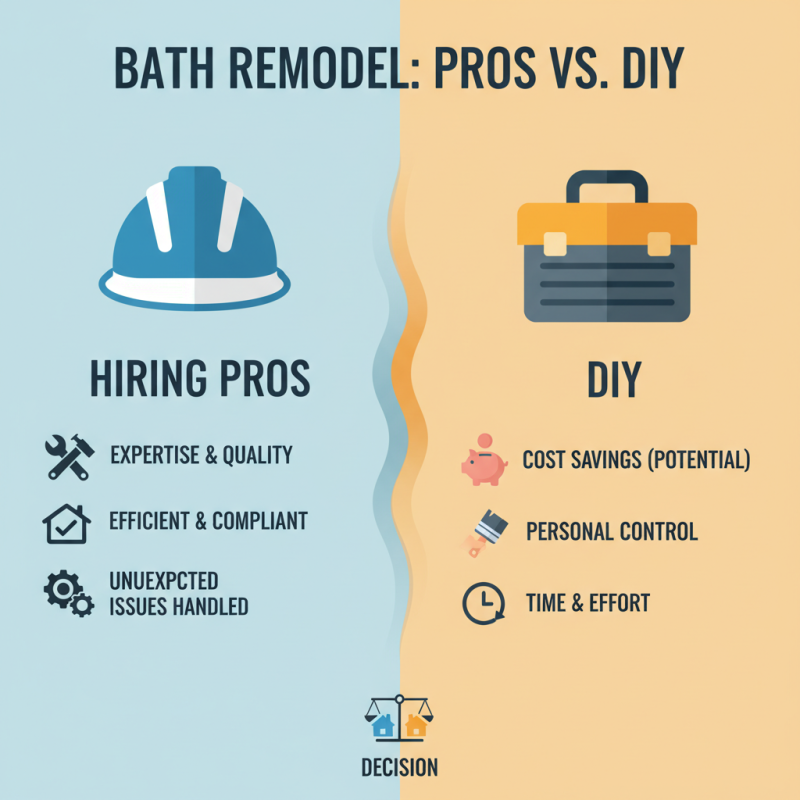
When planning a bath remodel, one of the earliest decisions you'll face is whether to hire professionals or tackle the project yourself. Each option carries its own set of advantages and challenges. Hiring professionals provides expertise and experience, ensuring that the remodel is completed efficiently and to a high standard. Their knowledge of local building codes and access to quality materials can streamline the process, potentially saving you time and money in the long run. Moreover, professionals can handle unexpected issues, such as plumbing or electrical work, that may arise during the renovation.
On the other hand, a DIY approach allows for greater control over your budget and the creative direction of your remodel. If you have the skills and time to invest, taking on the project yourself can be a rewarding experience that adds a personal touch to your bathroom. However, it’s important to honestly assess your abilities and the complexity of the remodel. Miscalculations and mistakes can lead to costly errors, turning your dream project into a stressful endeavor. Weighing these factors carefully will help you make an informed decision that aligns with your vision and capabilities.
 Skip to content