What is a Swing Valve and How Does it Work?
Swing Valves play a crucial role in various industries, ensuring the efficient regulation of fluid flow. According to a report by MarketsandMarkets, the global valve market is projected to reach $109.17 billion by 2027, with swing valves being a significant contributor to this growth. Their simple design and reliable performance make them ideal for applications ranging from water supply to oil and gas.
In essence, a swing valve operates by allowing fluid to flow in one direction and preventing backflow. This mechanism relies on gravity and pressure differentials to open or close the valve. However, the efficiency of swing valves can be affected by factors like wear and tear or improper installation. Regular maintenance is vital for optimizing performance and preventing system failures.
Despite their advantages, swing valves are not without challenges. For instance, they may not perform well in applications with pulsating flows. Detailed analysis and careful consideration of fluid dynamics are essential to ensure their effective use. Additionally, the choice of materials can impact durability and performance. Thus, understanding these nuances is key to harnessing the full capabilities of swing valves in industrial settings.
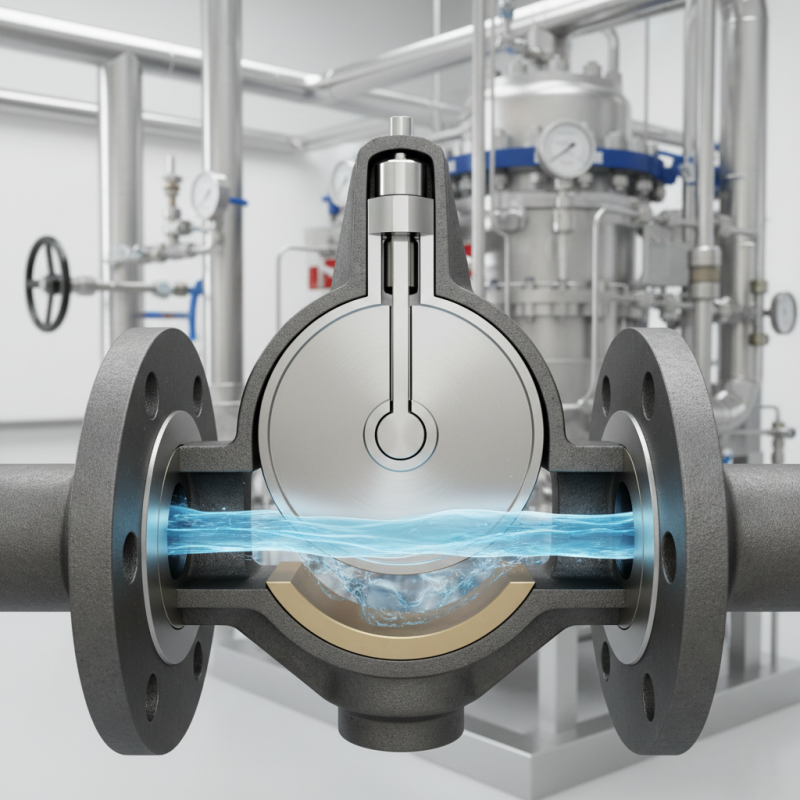
Definition and Basic Functionality of a Swing Valve
A swing valve is a crucial component in various piping systems. It consists of a disc that swings on a hinge. This design allows for efficient flow control within a pipeline. The basic function of a swing valve is to permit or block fluid movement in one direction. When the fluid pressure pushes against the disc, it swings open. The valve closes again when the pressure decreases, creating a seal.
Swing valves are commonly used in water, gas, and oil systems. They ensure that backflow does not occur, which is vital for system integrity. Unlike other types of valves, swing valves are relatively simple and require less maintenance. Their straightforward mechanism makes them a reliable choice for many applications. However, they can be less effective in low flow situations. This limitation may lead to inefficiencies in specific systems.
In practical terms, the installation of swing valves needs careful consideration. Their orientation can affect performance. If not positioned correctly, they may not operate as intended. Operators should also assess the pressure conditions regularly. This helps identify potential issues before they escalate. A swing valve may seem simple, but understanding its operation is essential for optimal performance.
Key Components and Design Features of Swing Valves
Swing valves are essential components in various piping systems. They allow fluid flow in one direction while preventing backflow. Understanding their design features can help users select the right valve for their needs.
One key component of swing valves is the disc. The disc opens and closes to control flow. It swings on a hinge, allowing for smooth operation. Materials used in the disc vary, impacting durability and performance. Often, metals or plastics are chosen based on the application's requirements.
Tips: When selecting a swing valve, consider the medium passing through it. Ensure compatibility to avoid premature wear. Regular maintenance is vital. Inspect seals and joints for leaks to maintain efficiency.
Another important feature is the body design. It can be made as a two-piece or three-piece fitting. A two-piece design is easier to install, while a three-piece offers better serviceability. A good design minimizes flow resistance, influencing efficiency.
Tips: Evaluate your installation space. Choose sizes that fit well without unnecessary modifications. This can reduce costs and prevent potential issues later. Always think about future maintenance needs when selecting valve types.
Operational Mechanism: How Swing Valves Control Fluid Flow
Swing valves play a crucial role in controlling fluid flow within various systems. Their operational mechanism involves a hinged disc or gate that pivots to open or close the passage for fluids. When the valve is open, the fluid flows freely; when closed, it stops flow entirely. This simple yet effective design offers reliability in applications ranging from water supply to industrial processes.
Data from the Hydraulic Institute indicates that proper valve operation can reduce energy consumption by 15-30%. However, issues such as sediment accumulation can impede the swing valve's function. Regular maintenance is essential to prevent these problems. A scheduled inspection every six months can catch early signs of wear or malfunction.
**Tip:** Regular lubrication of the hinge mechanism enhances operation. Keep an eye out for any unusual noises during functioning; they may signal needed adjustments. Ensuring your swing valve operates efficiently not only saves energy but also extends its lifespan, offering long-term savings on replacement costs.
Fluid Flow Control in Swing Valves
Applications of Swing Valves in Various Industries
Swing valves are crucial in many industries. Their design allows for efficient control of fluid flow. These valves are commonly used in oil and gas, water treatment, and manufacturing sectors. Each application exploits the unique characteristics of swing valves.
In the oil and gas industry, swing valves help manage the flow of liquids and gases. They provide reliability and durability under high pressures. In water treatment facilities, these valves facilitate backflow prevention. This ensures that clean water remains uncontaminated. Manufacturing processes often use swing valves to regulate steam and air flow. Their ability to withstand varying temperatures is a key advantage.
Tip: Regular maintenance of swing valves is essential. It prevents leaks and prolongs their life cycle. Check for wear and tear on seals and hinges. Timely replacements can save costs. Pay attention to operating conditions. This can help identify potential issues early.
Another consideration is valve placement. Installing valves in hard-to-reach areas can lead to operational challenges. Accessibility is crucial for inspections and repairs.
Tip: Plan installation carefully to minimize future complications. Evaluate the environment and fluid types that the valve will control. Proper planning can enhance efficiency and reliability.
Advantages and Limitations of Using Swing Valves
Swing valves are vital components in many piping systems. They control fluid flow by allowing it to move in one direction while preventing backflow. These valves have unique advantages. They are generally simple in design, which leads to lower maintenance costs. Additionally, swing valves can handle high flow rates effectively. Their operational mechanism relies on gravity, making them energy efficient.
However, swing valves come with limitations. Their performance can deteriorate under certain conditions. For instance, they may not seal effectively if debris or buildup occurs. This can lead to leaks and inefficiencies. Moreover, in some applications, a swing valve may take longer to close, which can be a concern in critical systems. It is essential to carefully assess their suitability for specific uses. Factors like pressure, temperature, and fluid type must be considered to ensure optimal performance.
 Skip to content