7 Tips for Choosing a Cold Plunge Cooling Unit?
Cold-water immersion has moved from specialist recovery rooms into home wellness spaces. The 2024 Global Wellness Institute report valued the global wellness economy at $6.3 trillion in 2023. It also projected growth toward $9 trillion by 2028. That expansion makes equipment choice more important, not less. A polished tub can still hide weak filtration, unstable temperature control, or expensive electricity use.
This guide examines seven practical tips for choosing a Cold Plunge Cooling Unit. It focuses on cooling capacity, temperature range, flow rate, filtration, sanitation, noise, and service support. The CDC’s Model Aquatic Health Code highlights circulation, disinfection, and water-quality management as core safety concerns. Those principles also matter in residential plunge systems. A quiet unit is helpful, but clean water matters more.
Think about the room first. A basement with limited ventilation may reject heat differently from an outdoor patio. Measure the tub volume, surrounding clearance, drainage route, and electrical supply before comparing specifications. Manufacturer claims deserve questions. “Rapid cooling” may describe ideal laboratory conditions, not a crowded weekend schedule. I have found that small details often decide satisfaction: a readable temperature display, a washable filter, and accessible replacement parts. The perfect unit may not exist. A reliable, serviceable model usually beats the most impressive brochure. Use these seven tips to compare real performance, operating costs, and long-term maintenance with clearer judgment.
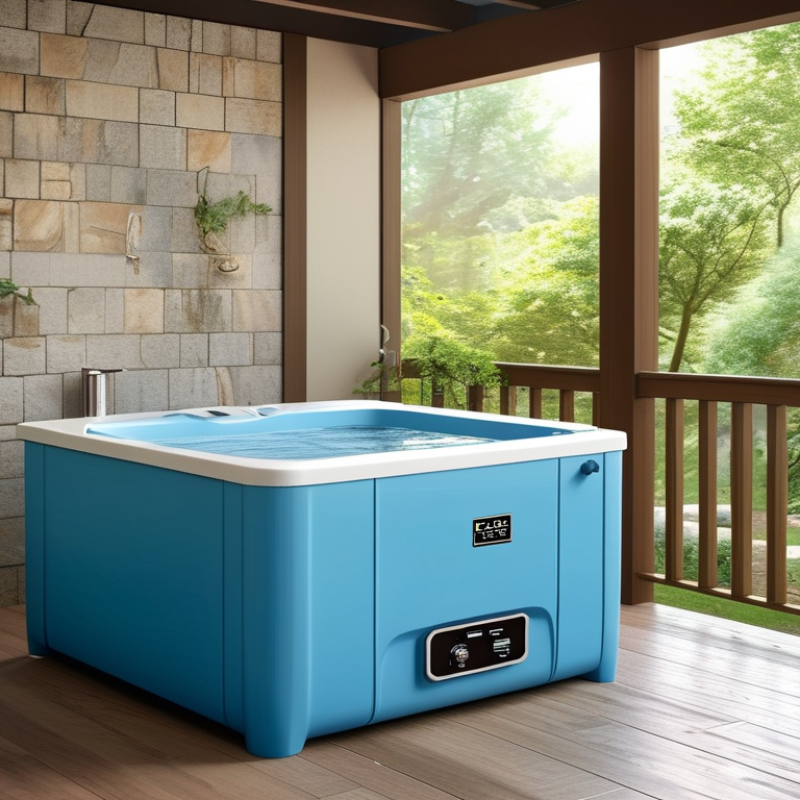
Understand How Cold Plunge Cooling Units Work
Understand How Cold Plunge Cooling Units Work
A cold plunge cooling unit usually combines a compressor, condenser, heat exchanger, pump, and filter. The compressor removes heat from the water through a refrigeration cycle. The condenser then releases that heat into the surrounding air. Room temperature matters. A hot, poorly ventilated space can reduce cooling performance.
ASHRAE Handbook—Fundamentals (2021) lists water’s specific heat at approximately 4.18 kJ/kg·K. That figure helps explain cooling capacity. Cooling 100 liters of water by 10°C requires about 4.18 megajoules, or 1.16 kWh, before accounting for heat entering from the room, plumbing, and users. The unit must remove that heat repeatedly. Bigger tanks need more patience.
Look beyond the lowest advertised temperature. Check cooling capacity, flow rate, filtration, noise, electrical demand, and operating temperature range. ASHRAE Handbook—Refrigeration (2022) stresses that refrigeration performance changes with ambient conditions and heat-rejection design. I once focused too heavily on the minimum temperature. That was an incomplete test. Recovery time mattered more.
The CDC’s Model Aquatic Health Code, 4th Edition (2023), separates circulation, filtration, and disinfection as different water-management functions. A cooling unit may filter debris, but filtration alone does not guarantee hygienic water. Read the maintenance instructions carefully. Inspect accessible screens and clean them regularly. Small detail. However, neglected filters can restrict flow and make the compressor work harder. Safety guidance should also address immersion duration, medical conditions, and supervised use.
Match Cooling Capacity to Tub Size and Water Volume
A cooling unit should match both your tub’s dimensions and its actual water volume. A compact tub may hold 300 liters, while a larger model can exceed 800 liters. More water takes longer to cool and requires greater heat removal. Check the unit’s rated water capacity, not just its advertised cooling temperature. That detail is easy to miss.
Tip: Measure the filled tub, including plumbing lines and filtration chambers. A 50-liter difference can affect cooling time and energy use. Also consider your starting temperature. Cooling 25°C water to 10°C demands more work than maintaining water already near the target.
In real use, insulation matters almost as much as volume. An uncovered tub under direct sunlight gains heat quickly. Thick insulation, a fitted cover, and shaded placement reduce the cooling load. I have found that airflow around the unit also affects performance. Leave clear space around its vents, as restricted airflow can slow heat exchange.
Tip: Choose extra capacity if the tub sits outdoors, receives frequent use, or lacks strong insulation. My early estimates were too optimistic because I ignored warm refill water. That mistake extended recovery time by several hours. A slightly larger cooling unit may cost more initially, but it can provide steadier temperatures and shorter recovery periods. Check flow-rate requirements carefully, too. A powerful chiller cannot perform well with weak circulation.
Compare Temperature Range, Cooling Speed, and Control Options
Choosing a cold plunge cooling unit starts with its temperature range, not the lowest advertised number. A unit rated for 3°C may perform differently in a warm garage. Check its minimum and recommended operating temperatures. A wider range supports recovery, acclimation, and seasonal changes. I prefer controls that show actual water temperature, not only a target setting. A reliable sensor matters. Small reading errors can change the experience.
Cooling speed deserves a practical test. Ask how many liters the system can cool and under which conditions. A fast unit may struggle after repeated use or with an uncovered tub. Check heat-exchange capacity, insulation needs, and recovery time between sessions. “Rapid cooling” is vague. Request measured data. My first comparison focused too much on minutes per degree. That was incomplete. Energy use and stable temperature may matter more than a dramatic initial drop.
Control options should match your routine. A simple digital panel may be enough for home use. App control helps with scheduling, but it should not replace physical access. Check temperature alerts, automatic shutoff, filtration compatibility, and restart behavior after power interruptions. Controls must remain readable with wet hands. I also test noise near sleeping areas. Convenience is easy to overvalue. Choose clear manuals, published specifications, and responsive technical support. Independent testing adds confidence, but your water volume and local climate still matter.
Check Safety Features, Durability, Warranty, and Total Cost
7 Tips for Choosing a Cold Plunge Cooling Unit?
Safety should be the first filter, not an afterthought. Look for ground-fault protection, automatic shutoff, flow sensors, and overheating protection. The unit should match your electrical supply and installation area. Check its water-resistance rating carefully. A damp garage is not the same as a dry utility room. Keep cables elevated and allow space around ventilation openings. Small details matter.
Durability depends on more than a metal exterior. Inspect the housing, fittings, seals, and water connections for corrosion resistance. Ask how often filters need replacement and whether common parts remain available. A quiet compressor may improve daily use, but noise can indicate poor mounting or aging components. I once focused too heavily on cooling speed and overlooked service access. That was a costly mistake. Easier maintenance usually supports longer equipment life.
Read the warranty before comparing prices. Check coverage length, labor terms, shipping responsibility, and exclusions for water chemistry or improper installation. A long warranty means little if repairs require overseas shipping. Calculate the total cost, including electricity, filters, water treatment, plumbing, and professional installation. Energy use can vary widely between similar-looking units. Cheap can become expensive. Leave room in the budget for unexpected repairs, because even well-built equipment can fail.
 Skip to content