Serving Minnesota & Iowa for over 25 years
French door installation can transform your space. These elegant doors not only enhance aesthetics but also improve functionality. They create an inviting atmosphere, connecting indoors and outdoors seamlessly.
However, the installation process might seem daunting for many. It requires careful planning and attention to detail. Many overlook essential steps, leading to frustrations later on. Each phase of the installation deserves focus to avoid common pitfalls.
Knowing key tips can ease this journey. From measuring accurately to choosing the right materials, each decision affects the outcome. Pay attention to installation methods; mistakes can be costly. Embrace the challenges that come with french door installation, and learn from them for a successful project.
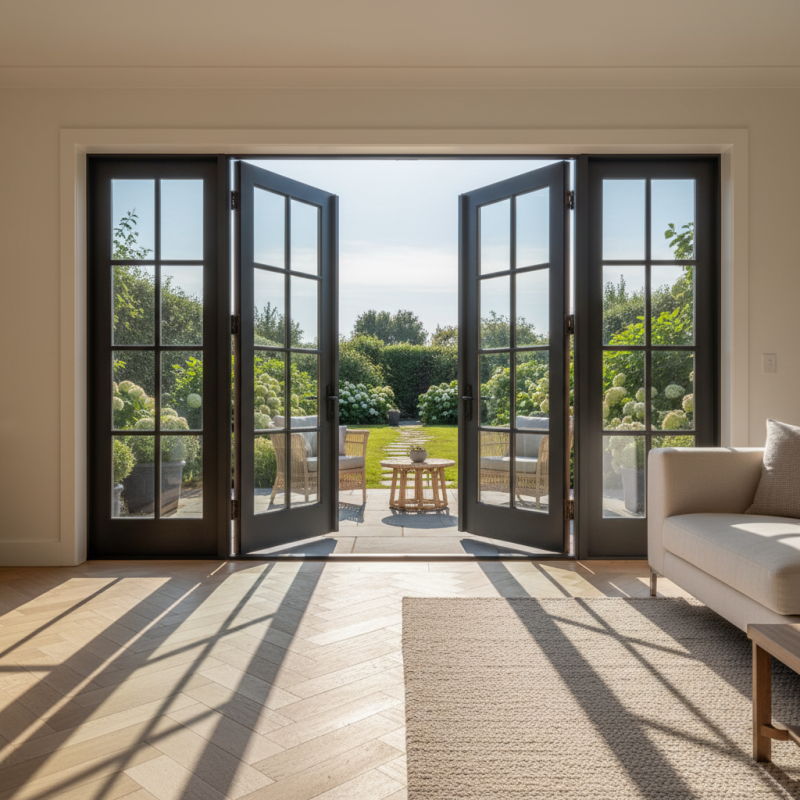
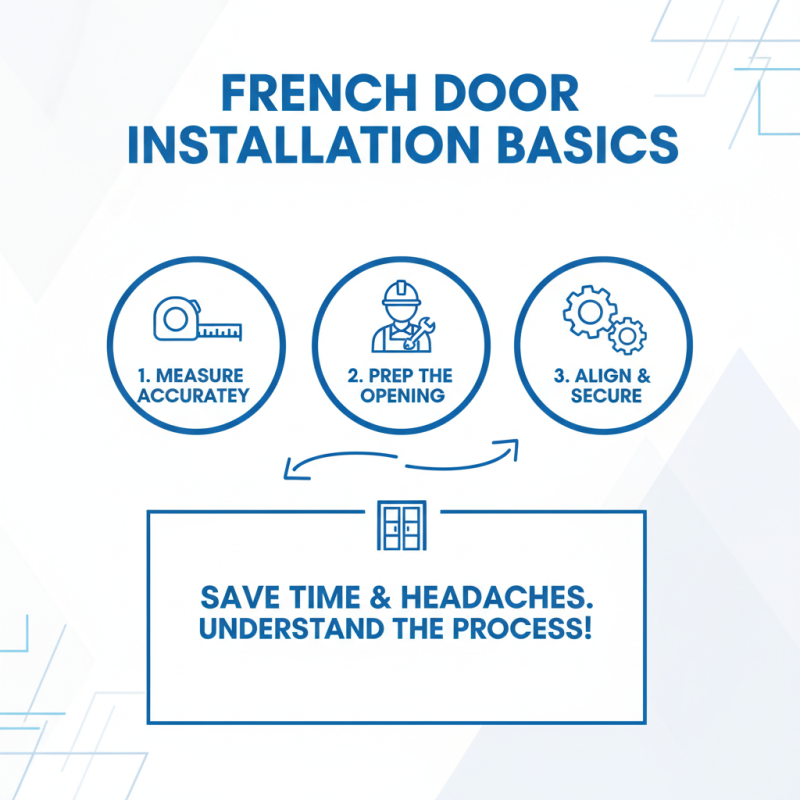
French door installation can seem daunting. Many homeowners underestimate the process. Taking the time to understand the basics can save time and headaches.
Start by measuring the doorframe accurately. A small discrepancy can lead to significant issues later. Ensure the frame is level and square. Check for any obstructions that might hinder movement. The proper tools are essential. A level, tape measure, and drill will make the job easier.
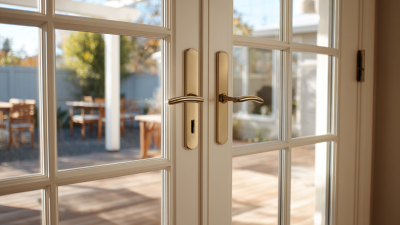
Next, consider the weather conditions. Installing doors on a rainy day can ruin your efforts. The materials may warp or swell. It’s crucial to follow instructions for hinges and handle placement. Misalignment can lead to uneven door operation. Lastly, remember that practice makes perfect. If you encounter challenges, it’s okay to take a step back and reassess.
When installing French doors, selecting the right tools and materials is crucial. Start by choosing a good quality door frame. The dimensions should fit your space perfectly. Measure twice to avoid costly mistakes. Use a level to ensure that everything is aligned. A misaligned door can lead to functional issues later on.
Next, gather essential tools. A drill, screwdriver, and tape measure are basics. Having a utility knife and chisels can help with adjustments. Don't forget safety gear like gloves and goggles. While you might think you can skip some tools, having everything on hand can save you time and frustration.
While selecting materials, consider weather strips for insulation. You want to create a barrier against drafts. Wood for the frame can give a classic look, but it requires more maintenance. Reflect on your long-term needs when making choices. Sometimes, compromise on aesthetics is needed for practicality.
When installing French doors, measuring and preparing the door frame is crucial. Start by measuring the height and width of the existing frame. Use a level to ensure your measurements are accurate. A small error can lead to big problems later. Consider the gap size for shims. It’s often overlooked but essential for a good fit.
Tip: Always double-check your measurements. A 1/8 inch difference can impact installation. When you prepare the door frame, clear any debris. This ensures a flat surface for the new door. Inspect the frame for any damage. Repair it before installation begins.
Measure the rough opening, not just the frame’s exterior. This will give you the right dimensions for the door. Adjust as needed to avoid complications. Remember, careful preparation saves time in the long run. Always account for door swing space. If the door swings into a wall, it can create an issue later.
Hanging and aligning French doors can be tricky. Precise installation ensures they open smoothly and look great. Here are some techniques to follow.
Start with a level. Check your hinges. Install the door frame squarely. Use shims to help align the doors. Adjust until it’s just right. Sometimes, the doors don’t meet perfectly. Check for gaps at the top and bottom. This may take time, but it's essential for a clean look.
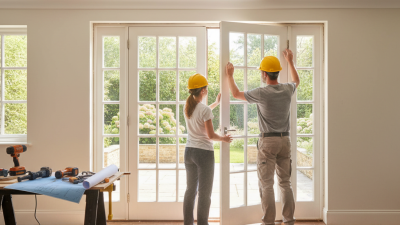
Another tip: use a trusted friend. One can hold the door while you adjust. This teamwork often yields better results. Once hung, test the doors multiple times. Are they swinging well? If not, revisit your adjustments. Remember, precision is key.
When installing French doors, energy efficiency is a must. Start by selecting energy-efficient materials. Look for doors with high insulation ratings. Double or triple-glazed glass can reduce heat loss. Properly sealing the edges is equally important. Gaps can lead to drafts. Weatherstripping can be an effective solution for this issue.
Security should never be overlooked. Choose solid frames and high-quality locks. Deadbolts add an extra layer of protection. Sliding bolts on the side can also enhance security. Make sure the hardware is installed correctly to avoid vulnerabilities. Think about adding security cameras or motion sensors for enhanced safety.
Keep in mind that installation can be tricky. Measure your door frame correctly before buying. A slight miscalculation can cause fitting issues. If you're not experienced, consider hiring a professional. Mistakes in installation can compromise both energy efficiency and security. A well-installed door can be beautiful and functional.