 Skip to content
Serving Minnesota & Iowa for over 25 years
Top 10 Types of 72 Inch Golf Umbrellas to Buy?
A 72 inch golf umbrella is built for more than sudden showers. Its wide canopy can shelter a golfer, caddie, cart seat, or two bags beside the fairway. Yet size alone does not guarantee useful protection. Frame strength, fabric density, opening speed, handle comfort, and wind response matter just as much.
The National Golf Foundation reported approximately 47.2 million Americans played golf on-course in 2023. That participation level reflects a large audience exposed to changing outdoor conditions. NOAA climate data also shows that rainfall patterns vary sharply by region and season. A golfer in Florida may prioritize ventilation and UV resistance, while a golfer in Scotland may need reinforced ribs and a storm-rated structure. The best choice depends on use, not appearance.
This guide examines ten types of 72 inch golf umbrella designs, including vented, double-canopy, automatic, manual, UV-resistant, and compact-cart models. Product specifications should be checked carefully. Canopy measurements are not always described consistently. Some brands measure the arc, while others promote the opened span. That difference can mislead buyers.
No umbrella is perfect. A larger canopy adds coverage, but it can increase weight and wind resistance. Double-canopy designs may release gusts more effectively, though their vents cannot eliminate storm risk. Testing should include a wet grip, a crowded cart path, and repeated opening beside a golf bag. Small details often decide comfort. This comparison uses manufacturer specifications, outdoor-weather guidance, and practical golfing experience to identify designs offering dependable value.
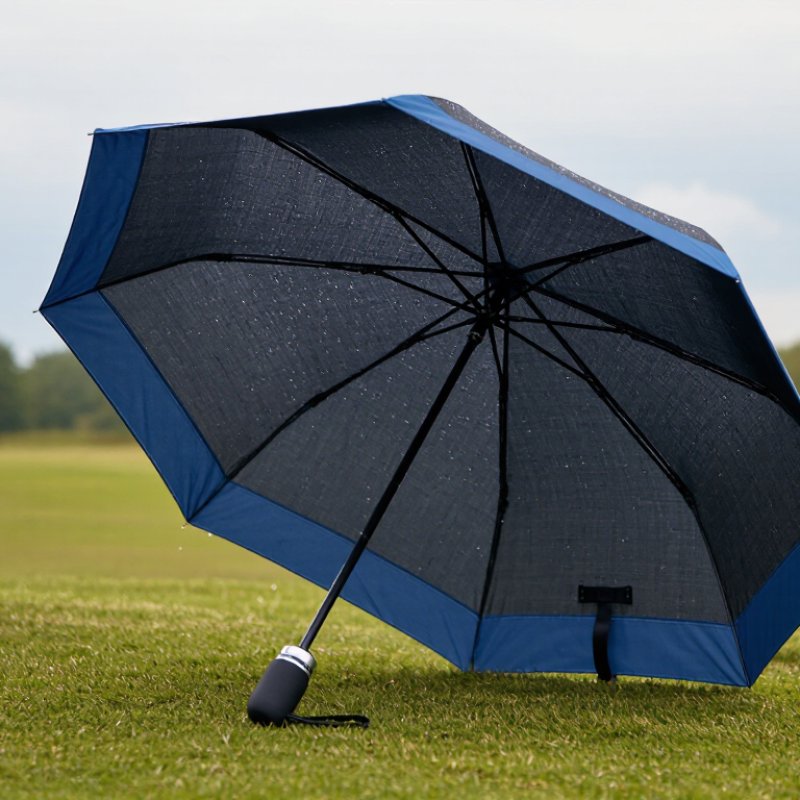
What Defines a 72-Inch Golf Umbrella?
A 72-inch golf umbrella is defined by its open canopy measurement, but that measurement can be confusing. Some manufacturers measure the curved fabric edge, while others report the straight span from tip to tip. A 72-inch arc may provide a canopy diameter closer to 60 or 64 inches. Always check the measurement method before comparing the top 10 types.
Its purpose is generous coverage. It should protect a golfer, bag, and nearby equipment from heavy rain and strong sunlight. A double-canopy design can release wind through small vents, reducing pressure on the ribs. Fiberglass ribs usually flex better than rigid metal during sudden gusts. A reinforced shaft, comfortable grip, and smooth automatic opening also matter during a wet round.
Weight matters more than many buyers expect. A huge umbrella becomes tiring after several holes. I once underestimated this detail. A lighter frame may feel easier to carry, but it can sacrifice stability in rough weather. Look for sealed fabric, rust-resistant components, and a canopy that opens fully without awkward stretching. UV-resistant material helps during long sunny rounds, although it does not replace sunscreen or proper clothing. The best 72-inch option depends on local wind, carrying habits, and whether maximum coverage matters more than compact storage.
Top 10 Types of 72 Inch Golf Umbrellas to Buy? - What Defines a 72-Inch Golf Umbrella?
| No. | 72-Inch Golf Umbrella Type | Canopy Construction | Typical Frame | Estimated Weight | Approx. Folded Length | Best Use | Defining Features |
|---|---|---|---|---|---|---|---|
| 1 | Classic Single-Canopy Golf Umbrella | One large polyester or nylon canopy with a 72-inch arc span | Steel shaft and fiberglass or steel ribs | Approximately 1.5–2.0 lb | Approximately 38–42 in | General golf rounds and everyday rain protection | Large coverage, straightforward construction, and usually the lowest cost among full-size options |
| 2 | Double-Canopy Windproof Umbrella | Two overlapping canopy layers with vents between them | Fiberglass ribs with a reinforced shaft | Approximately 1.8–2.4 lb | Approximately 39–43 in | Open, windy courses and exposed fairways | Vented construction helps release trapped air and can reduce canopy inversion in gusty conditions |
| 3 | UV-Protection Golf Umbrella | Coated polyester or nylon designed to block a high proportion of ultraviolet radiation | Fiberglass ribs with a corrosion-resistant shaft | Approximately 1.5–2.1 lb | Approximately 38–42 in | Sunny rounds, walking golf, and shade protection | Dark or reflective coatings reduce glare and may help lower heat beneath the canopy |
| 4 | Automatic Open Golf Umbrella | Single or vented canopy operated by a spring-loaded opening mechanism | Steel or mixed steel-fiberglass frame | Approximately 1.7–2.3 lb | Approximately 38–42 in | Quick deployment during sudden rain | One-button opening is convenient, although the automatic mechanism can add weight and complexity |
| 5 | Manual-Open Lightweight Umbrella | Lightweight nylon or polyester canopy | Fiberglass ribs and lightweight aluminum or composite shaft | Approximately 1.2–1.7 lb | Approximately 37–41 in | Walking golfers who prioritize portability | Lower carrying weight and fewer moving parts, with manual opening and closing |
| 6 | Extra-Long Straight Golf Umbrella | Full-size single canopy with a wide, stable profile | Long steel or fiberglass shaft with full-length ribs | Approximately 1.7–2.4 lb | Approximately 40–44 in | Golf bags, carts, and users seeking maximum overhead stability | Long shaft offers a rigid feel but requires more storage space than a compact model |
| 7 | Compact-Folding 72-Inch Umbrella | Large canopy supported by a multi-section folding frame | Segmented fiberglass and aluminum construction | Approximately 1.5–2.2 lb | Approximately 19–26 in | Travel, vehicle storage, and golf bags with limited space | Folds substantially shorter, but its joints may require more care than a straight-frame design |
| 8 | Golf Cart-Mountable Umbrella | Large waterproof canopy with reinforced attachment area | Strong shaft compatible with a separate or integrated cart holder | Approximately 1.6–2.5 lb, excluding holder | Approximately 38–43 in | Riding carts and stationary protection between shots | Hands-free coverage; holder compatibility and shaft diameter should be checked before purchase |
| 9 | Reflective Heat-Reducing Umbrella | Silver, white, or reflective outer coating over a water-resistant fabric | Fiberglass ribs and aluminum or steel shaft | Approximately 1.5–2.2 lb | Approximately 38–42 in | Hot, sunny conditions and long outdoor events | Reflective fabric helps redirect solar energy while the 72-inch canopy provides broad shade |
| 10 | Heavy-Duty Storm Golf Umbrella | Reinforced waterproof polyester or nylon, often with venting | Multiple fiberglass ribs and a thick shaft | Approximately 2.0–2.8 lb | Approximately 39–44 in | Frequent rain, strong gusts, and demanding outdoor use | Prioritizes structural strength and weather resistance over minimum weight |
Measurement note: A 72-inch golf umbrella generally refers to the canopy’s curved arc span, not the straight-line diameter. The actual straight diameter is commonly about 60–64 inches, depending on the canopy shape and rib design. Weight and folded length are typical ranges and may vary by materials and construction.