Top 10 French Door Installation Tips for Global Buyers?
Buying French doors across borders involves more than choosing an attractive glass design. Frame size, opening direction, insulation, hardware, and installation methods can vary by region. This guide introduces practical french door installation tips for global buyers, based on common field conditions and manufacturer guidance.
A successful project begins with accurate measurements. Check the rough opening, wall thickness, sill level, and available clearance. Measure twice. Small errors matter. A door may look perfect in a showroom, yet fail to close smoothly on site. Experienced installers also inspect moisture exposure, wind conditions, drainage, and surrounding materials before fitting the frame.
Global buyers should review technical documents carefully. Confirm product dimensions, thermal performance, glazing type, hardware compatibility, and maintenance requirements. Local building professionals can help interpret regional construction practices and applicable requirements. Their advice is especially valuable in coastal, cold, humid, or high-wind environments. Reliable suppliers should provide installation manuals, warranty terms, replacement-part information, and responsive technical support.
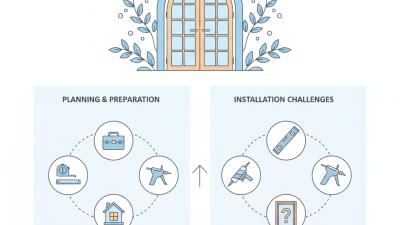
These ten tips focus on preparation, leveling, sealing, fastening, adjustment, and long-term care. They also address mistakes that are easy to overlook, such as uneven thresholds or poorly compressed weather seals. Some recommendations may need adjustment for timber, aluminum, composite, or uPVC doors. There is no universal shortcut. Even careful teams can miss a small detail, so a final inspection remains essential. The goal is not merely a beautiful entrance, but a secure, weather-resistant, and dependable French door installation.
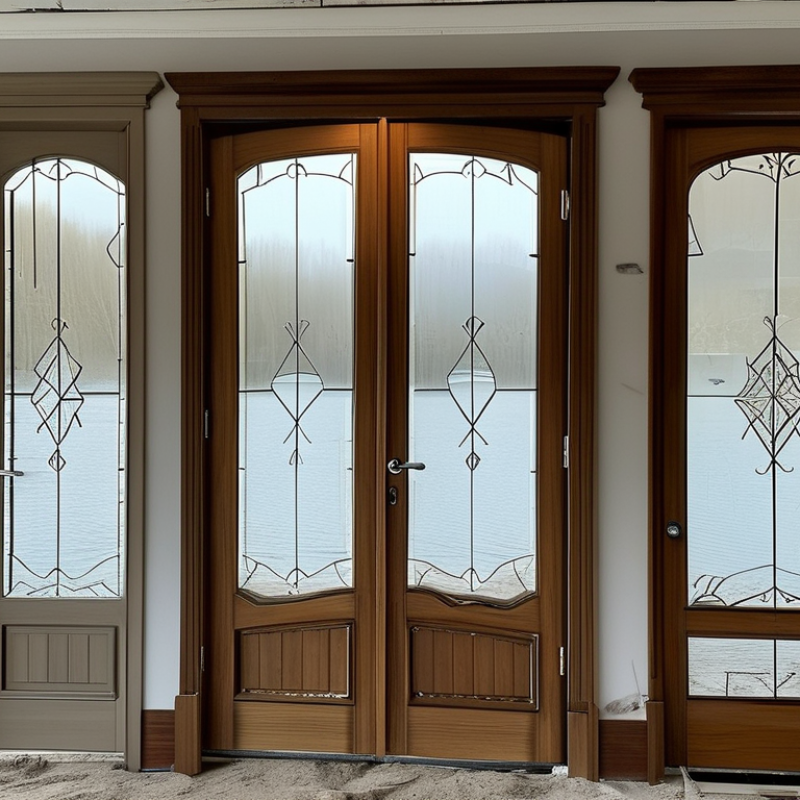
Understanding French Door Types, Materials, and Global Standards
Top 10 French Door Installation Tips for Global Buyers
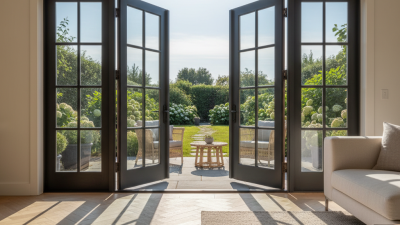
French doors may be hinged, outswinging, inswinging, or sliding. Choose the opening direction after checking wind, rain, furniture, and emergency access. Wood offers warmth but needs careful moisture control. Fiberglass resists swelling, while aluminum provides slim frames and strong resistance. Steel is secure, but thermal bridging requires attention. Low-E insulated glass with argon can improve comfort in colder climates.
The U.S. Department of Energy reports that windows can account for 25–30% of household heating and cooling energy use. This makes glazing and frame selection practical concerns, not decoration. Compare U-factor, solar heat gain coefficient, air leakage, and visible transmittance. For European projects, review EN 14351-1 and ISO 10077-1. North American buyers should check NFRC ratings and AAMA/WDMA/CSA 101 standards. Local test requirements still vary.
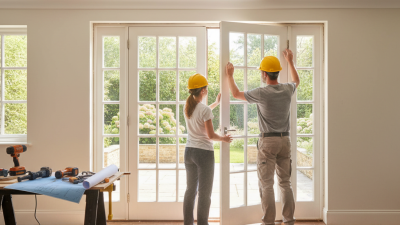
Measure the rough opening at three points. Leave a controlled installation gap. Install a sloped sill pan, seal the corners, and keep drainage paths open. Set the frame plumb, level, and square before tightening fasteners. Check both leaves with a thin paper strip. Uneven resistance often reveals compression problems. I have seen attractive doors fail because installers trusted foam alone. That is not enough. Foam insulates, but it does not replace mechanical fixing or exterior flashing. The detail is easy to overlook. Review hinge loads, threshold height, and local wind exposure before final installation.
Top 10 French Door Installation Tips for Global Buyers
The chart highlights practical reference values for planning French door installation. Verify local building codes, product test reports, and structural requirements before ordering.
References include common accessibility guidance from the ADA Standards, EN 17210 principles, and typical international door-sizing practice. Values are shown in millimetres unless stated otherwise.
Choosing Suitable Glass, Hardware, Insulation, and Weather Seals
French doors succeed when glass, hardware, insulation, and weather seals work as one system. The U.S. Department of Energy reports that windows can cause 25–30% of residential heating and cooling energy use. Choose double or triple glazing according to climate, not appearance alone. Low-emissivity coatings reduce heat transfer, while laminated glass improves safety and sound control. In hot regions, a lower solar heat gain coefficient can reduce indoor overheating.
Check the National Fenestration Rating Council label for U-factor and solar heat gain coefficient values. These figures allow fair comparisons across suppliers. A low U-factor supports colder climates, but excessive performance can raise cost without practical benefit. That trade-off deserves reflection. For coastal projects, select corrosion-resistant hinges, multi-point locks, and adjustable rollers. Heavy glass needs hardware with tested load capacity, not merely attractive finishes.
Insulation around the frame matters as much as the panel. Use compatible low-expansion foam, backer rod, and carefully tooled exterior sealant. Poor installation can defeat expensive glass. Weather seals should remain flexible across temperature changes and compress evenly when the doors close. Inspect the meeting stile, sill, and bottom sweep closely. The International Energy Conservation Code and regional standards provide useful performance targets, yet local exposure still matters. Wind-driven rain, dust, and strong sunlight often reveal weaknesses earlier than laboratory testing. A small alignment error can become a cold draft.
Planning Installation, Alignment, Security, and Water Protection
French door installation begins before the frame arrives. Measure the opening at the top, middle, and bottom. Record width, height, and wall depth. Check the floor with a long level. Small errors become visible gaps.
Tips:
- Confirm the handing and swing direction before unpacking.
- Leave the manufacturer’s recommended clearance.
- Inspect the wall for movement or moisture.
- Use shims behind fixing points, not loose wedges.
- Keep the sill fully supported.
- A strong helper matters.
Tips:
- Set both doors in one plane before tightening screws.
- Check the meeting seam with a thin card.
- Test the lock after every adjustment.
- Install compatible flashing above and beside the frame.
- Seal the exterior joint, but leave drainage paths open. Do not block weep holes.
Security depends on alignment, not force. The deadbolt should enter smoothly without lifting the door. Tight hinges can hide a twisted frame. That happened on one project, and the door dragged after rain.
We corrected the shims and retested it through several openings. Water protection also needs a practical check. Spray the perimeter gently, then inspect the interior sill. Never rely on sealant alone.
Regional weather, wall construction, and installation codes can change the correct method, so qualified local review remains worthwhile.
Inspecting the Finished Doors and Maintaining Long-Term Performance
After installation, inspect the French doors in natural daylight, not only from a showroom angle. Open each leaf slowly and check whether both panels move without rubbing. The gap around the frame should look even. Examine hinges, handles, locks, glass edges, weather seals, and the threshold. A sheet of paper can test compression: it should slide with slight resistance. Check outside drainage after light rain. Water must move away from the frame.
Tips: Use a level on both jambs. Test the lock repeatedly. Look for cracked sealant or loose screws. Record photos before accepting the work. These details matter. Experience shows that small alignment errors can become serious after seasonal movement. I once ignored a slightly stiff handle during inspection. It later became harder to operate, so a second review is always worthwhile.
Maintenance depends on local conditions. In humid regions, wipe condensation and inspect timber or coated surfaces regularly. Coastal buyers should remove salt deposits with clean water, then dry the hardware. In colder climates, keep the sill clear of ice and debris. Lubricate hinges and locking points with a suitable product, avoiding excessive oil near seals. Clean glass with a soft cloth, not abrasive tools. Replace damaged weather seals early. Check drainage channels every few months. Door performance is not permanent without care. Some maintenance schedules need adjustment after the first year. Monitor how the doors respond to wind, rain, and temperature changes.
 Skip to content