Serving Minnesota & Iowa for over 25 years
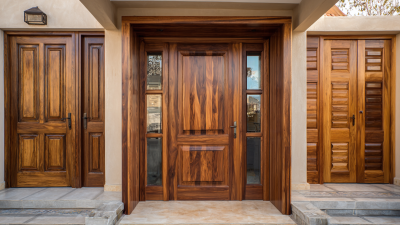
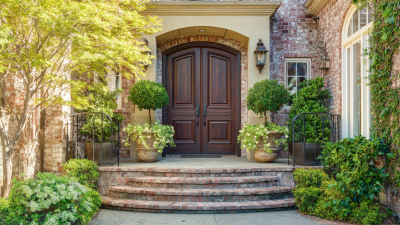
Choosing the right front entry doors is essential for any home. They create the first impression and impact curb appeal. A welcoming entry can enhance your home’s aesthetic and value. However, selecting the perfect door involves careful consideration.
When exploring options, think about the material. Wood, fiberglass, and steel each have unique qualities. Each type offers varying levels of security, insulation, and maintenance. Color and style also play a significant role. A vibrant hue can elevate a home’s character. Meanwhile, design should align with your home’s architecture.
Don’t forget about security features. A robust locking mechanism can deter intruders. Sometimes, homeowners overlook this critical aspect. Reflecting on personal needs ensures the right choice. Remember, front entry doors should reflect your style while serving practical purposes. It’s a balance worth considering.
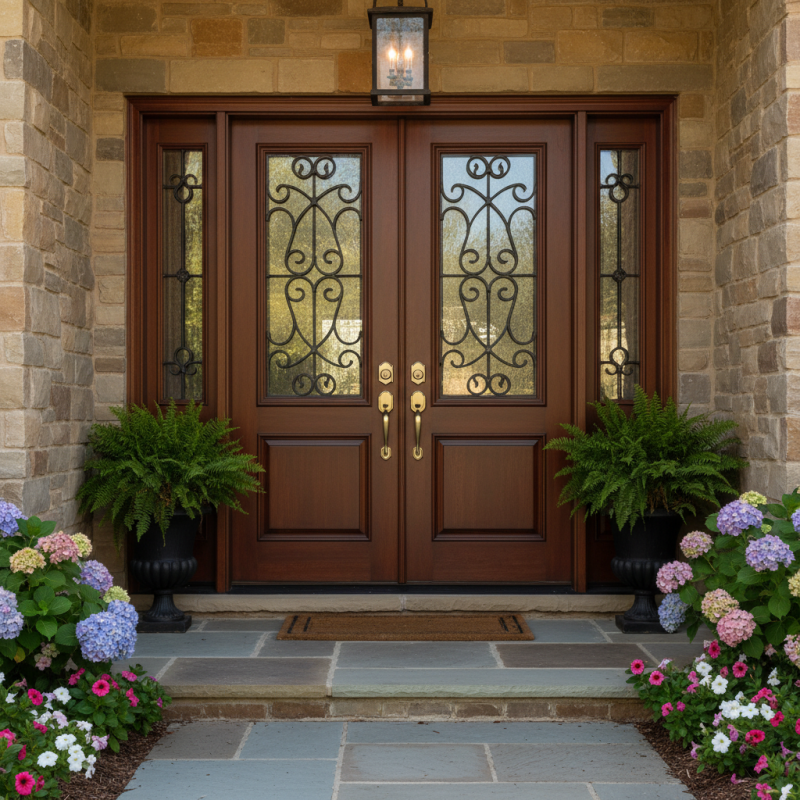
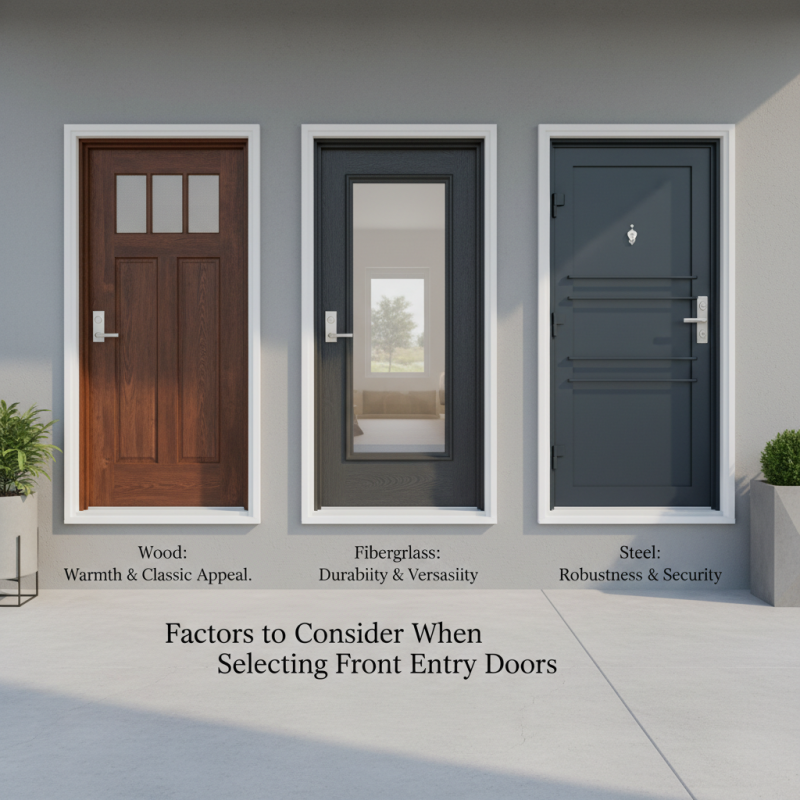
Choosing front entry doors is not just about aesthetics. It's crucial to consider several factors before making a final decision. First, the material matters. Wood, fiberglass, and steel all offer unique benefits. Wooden doors provide warmth and classic appeal. Fiberglass doors can mimic wood but offer greater durability. Steel doors are robust and secure but may not provide the same visual appeal.
Another important factor is energy efficiency. Look for doors with good insulation properties. Energy-efficient doors help maintain indoor temperatures and reduce energy bills. Glass panels can enhance beauty but may lead to heat loss. Balancing aesthetics and practicality is essential.
Security should also be a priority. A solid construction and quality hardware can increase safety. Consider the neighborhood you live in. If it has high traffic or crime rates, spend a bit more on sturdy locks and materials. Always think about the style of your home, too. The door should complement your exterior design. Finding the right balance can be challenging. Reflect on your needs and make an informed choice.
When choosing the right material for front entry doors, consider your climate and lifestyle.
Wood offers a classic aesthetic, delivering natural beauty and warmth. However, it requires regular maintenance to prevent warping and rotting.
According to a survey by the National Association of Home Builders, over 80% of homeowners favor a wooden look for its elegance. Yet, it may not be ideal for all environments.
Steel is known for its durability and security. It can withstand harsh weather conditions.
A report from the American Society of Home Inspectors states that steel doors have a longer lifespan than wood options. They are less prone to dents and also require minimal maintenance.
Though they may not offer the same visual appeal as wood, modern designs can mimic classic styles.
Fiberglass doors combine the best of both worlds. They can replicate the look of wood while offering superior insulation and durability.
Data from the U.S. Department of Energy indicates that fiberglass doors outperform wood in energy efficiency.
Though they are often pricier upfront, long-term savings in energy bills could offset initial costs. Weigh these choices carefully when selecting the perfect front entry door for your home.
When selecting front entry doors, one vital aspect to consider is energy efficiency. Energy-efficient doors can significantly reduce heating and cooling costs. According to the U.S. Department of Energy, door quality influences energy loss by up to 15%. Choosing doors with high R-values can improve insulation and comfort.
To understand energy efficiency ratings, look for Labels like Energy Star. Doors meeting this standard are tested for thermal performance. They provide excellent insulation, which decreases your energy bills. A door with low U-factor ratings is preferable, indicating better insulation against heat transfer.
Tip: Pay attention to the material and construction. Fiberglass or steel doors often have better energy retention compared to solid wood. Check if the door has a good thermal break, reducing heat flow. Poorly insulated doors lead to drafts and discomfort inside the home. Consider how weatherstripping can enhance air sealing and minimize energy loss. Every detail counts in maintaining your home’s comfort.
When choosing front entry doors, security features are paramount. A report by the National Association of Home Builders indicates that 34% of burglars enter homes through the front door. Therefore, choosing a door with robust security measures can significantly deter break-ins.
Consider doors made from solid wood or steel. These materials are more challenging to breach compared to hollow-core options. Look for multi-point locking systems that engage at multiple points. This dramatically increases the security of the door. Adding a deadbolt lock also provides extra protection.
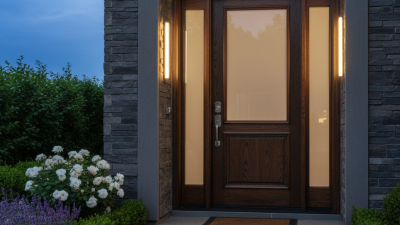
Moreover, glass panels can expose your home to risk. Opt for laminated or tempered glass. These types are more resistant to shattering. Additionally, feel free to include a smart lock system. Recent studies reveal that 60% of homeowners value smart features for enhanced security.
While aesthetics are important, security should take precedence. Reflect on your environment and local crime statistics. Sometimes, a beautiful door may not serve the best security purpose. Prioritize reinforcing your home’s integrity over mere appearance. It's about finding that balance between security and style.
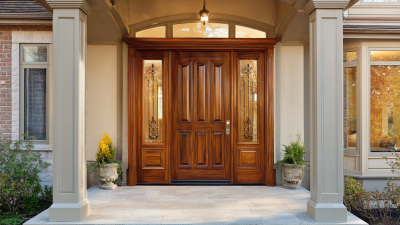
When selecting front entry doors, design and aesthetics play a vital role in enhancing curb appeal. A well-chosen door instantly transforms the look of your home. Consider color, material, and style. Bright colors can make a bold statement, while neutral tones provide a timeless touch. Natural wood doors offer warmth, but they require regular maintenance.
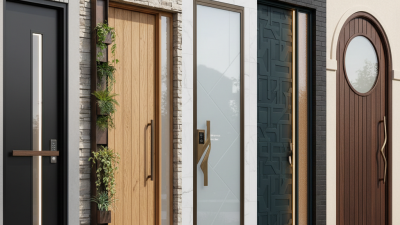
Think about design elements too. Detailed carvings or modern, sleek lines change the character of your home. Arched or rectangular shapes also influence the overall vibe. Large windows in the door allow natural light and provide a welcoming entrance. However, balance is key. Overly ornate designs may clash with simple home styles.
Reflect on how your door integrates with landscaping. A lush garden complements a classic door, while minimalist landscaping pairs well with modern designs. Ensure the hardware matches the door’s aesthetic for a cohesive look. These choices may seem minor, but they reflect your personal style. Missing the mark on one aspect can disrupt the harmony. Aim for a combination that feels right for your home and makes a lasting impression.