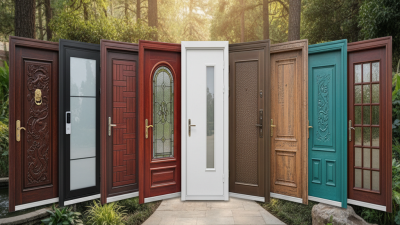
What Are the Top Types of Front Entry Doors?
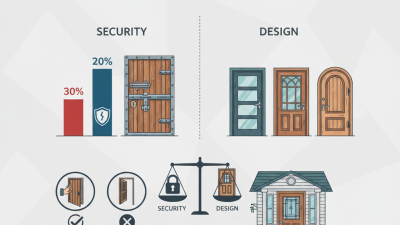
Choosing front entry doors is not simply a matter of matching a color to your exterior walls. The right door affects security, insulation, weather resistance, maintenance, and daily comfort. A heavy door may feel reassuring, yet weight alone does not prove quality. Real performance depends on the frame, hinges, locks, seals, and installation.
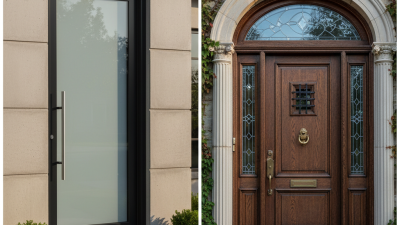
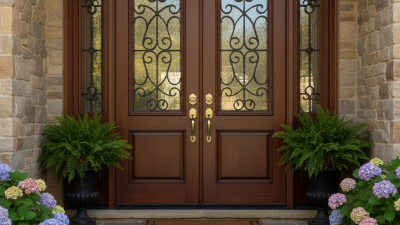
This guide examines the most common door types, including solid wood, fiberglass, steel, glass-panel, and composite designs. Each material creates a different experience. Wood offers natural grain and warmth, but it may swell near a damp porch. Fiberglass can imitate oak convincingly and usually needs less upkeep. Steel provides strength and clean lines, although scratches can expose vulnerable areas. Glass panels welcome sunlight, but privacy and impact resistance require careful consideration.
Practical evaluation matters more than showroom impressions. Check the door’s energy rating, weatherstripping, threshold design, and hardware quality. Stand inside the entryway on a windy day, if possible. Feel for drafts around the edges. Notice how the latch closes. Small details matter.
Climate changes the decision.
A coastal home may need corrosion-resistant hardware. A cold region benefits from insulated cores and tight seals. Busy households may prefer a low-maintenance surface over delicate finishes. No material wins every time. That assumption deserves a second look. By comparing construction, appearance, security features, and long-term care, homeowners can choose a front entry door that feels attractive today and remains dependable through changing seasons.
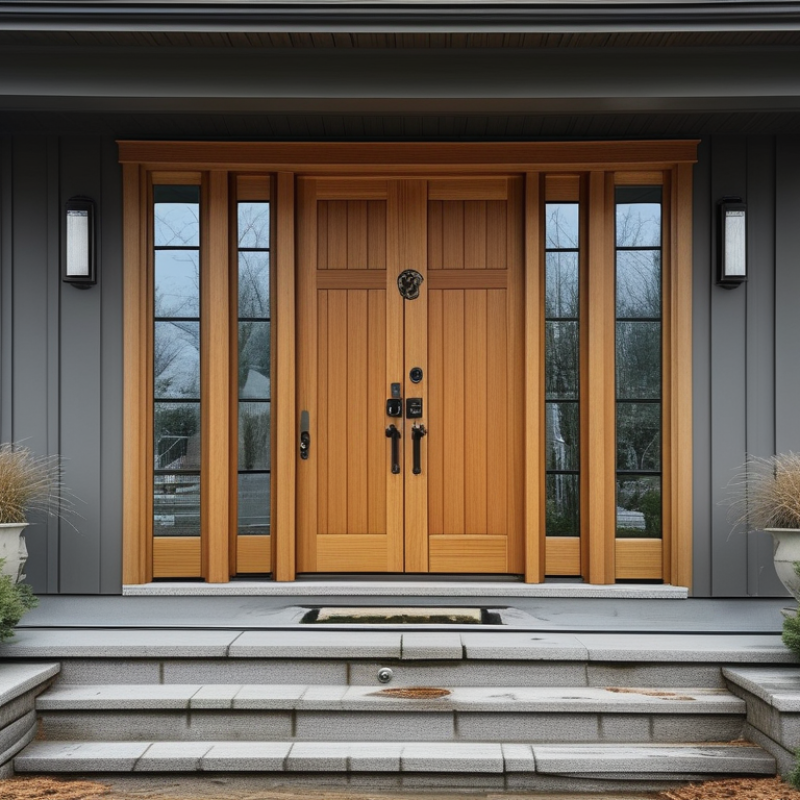
How Front Entry Door Types Are Classified by Material and Performance
Front entry doors are best classified by material and performance, rather than by style alone. That distinction matters at the threshold, where sunlight, rain, wind, and daily traffic meet. Solid wood offers natural grain, strong repairability, and a substantial feel. However, it can swell, shrink, or crack when moisture control is poor. Steel doors provide excellent rigidity and security, but damaged coatings may allow corrosion. Fiberglass resists warping and usually needs less maintenance. Aluminum frames feel light and resist rust, although their thermal performance depends heavily on insulated construction and careful detailing.
Looks can mislead. Performance classification examines energy efficiency, weather resistance, durability, and operation. A qualified assessment should consider the door’s U-factor, air leakage, water penetration, and wind-pressure rating. Insulated cores help reduce heat transfer, while compression seals limit drafts around the edges. Low-emissivity glazing can improve comfort, but glass still changes privacy and security requirements. Strong hinges, accurately fitted locks, and a reinforced frame also matter.
Details matter. In humid climates, raised thresholds and durable finishes deserve close attention. Cold regions may require deeper insulation and better weatherstripping. Coastal homes need materials and fasteners that tolerate salt-laden air. An imperfect installation can weaken an excellent door, especially when the sill slopes incorrectly or the frame is not square. The most suitable type is therefore a balance between material behavior, local exposure, household use, and realistic maintenance habits.
Fiberglass Doors: Compare ENERGY STAR U-Factors of 0.27 or Lower
Fiberglass doors are a strong choice for front entries, especially when energy performance matters. Their rigid skins resist moisture, while insulated cores reduce heat transfer through the door slab. The ENERGY STAR Residential New Construction criteria list a maximum U-factor of 0.27 for qualifying exterior doors. A lower U-factor indicates better insulation performance.
Look for a tested U-factor of 0.27 or lower. That number measures heat flow in Btu per hour, per square foot, per degree Fahrenheit. The National Fenestration Rating Council explains that U-factor should be compared across complete door assemblies, not only the slab. Glass panels, frames, and edge construction can change the final result. Small details matter.
Installation can weaken excellent laboratory performance. Installers should inspect the rough opening, seal gaps, and prevent water intrusion around the threshold. The U.S. Department of Energy reports that air leakage can significantly affect comfort and heating or cooling demand. A tight weatherstrip helps, but it cannot correct a poorly aligned frame. I have seen this overlooked.
Compare the certified rating, glazing area, threshold design, and local climate needs. ENERGY STAR technical criteria and NFRC certification records provide useful verification. Still, U-factor is not everything. Solar exposure, door orientation, shading, and installation quality deserve equal attention. A 0.27-rated door may perform poorly if cold air moves around its frame. That is the uncomfortable detail.
Steel Doors: Evaluate Common 20-, 22-, and 24-Gauge Skin Options
Among the top types of front entry doors, steel remains a practical choice for demanding entrances. Its skin gauge deserves careful attention. In steel doors, a lower gauge number usually means thicker steel. A 20-gauge skin is typically the heaviest of these three options. It can resist dents better and feel more substantial during daily use. This matters near busy porches, garages, or homes exposed to strong weather.
A 22-gauge skin often provides a balanced middle ground. It may offer suitable stiffness without adding as much weight as 20-gauge steel. For many residential projects, that balance supports easier handling and dependable long-term performance. A 24-gauge skin is thinner and often lighter. It can reduce initial cost, but it may show dents more easily. Check the door’s internal core, frame, hinges, and finish before choosing by gauge alone. The skin is only one part of the system.
During site inspections, I have found that installation quality can change the result dramatically. A thick steel door can still operate poorly with a weak frame or misaligned hinges. I once underestimated how much repeated slamming affected a thinner door near a family entrance. That mistake was useful. Measure traffic, moisture, temperature changes, and available hardware first. Also ask for verified gauge information, because descriptions can be unclear. A 20-gauge door is not automatically the best fit for every home.
Wood Doors: Assess Standard 1¾-Inch Slabs and Moisture Resistance
Wood remains a strong choice for front entry doors because it offers warmth, weight, and visual depth. When assessing a replacement, start with the slab thickness. A standard 1¾-inch slab usually provides a solid feel and supports common lockset preparations. Measure the existing opening carefully, including the jamb, hinges, threshold, and clearance beneath the door. A thicker-looking door may still create installation problems if the frame cannot accept its hardware.
Moisture resistance deserves equal attention. Wood absorbs water through unfinished edges, especially near the bottom rail and hinge cutouts. Look for a door with sealed surfaces on all six sides, not just the visible faces. A deep roof overhang can reduce direct rain exposure, but it cannot correct poor finishing. In humid climates, stable engineered wood cores may resist seasonal movement better than some solid wood designs. That is not universal.
Installation matters greatly.
I once focused too heavily on appearance and overlooked a small gap under the threshold. After several wet seasons, the lower edge showed swelling. The lesson was simple: inspect the sill, weatherstripping, and drainage path before choosing the slab. Recoat exposed finishes as needed, and watch for sticking, hairline cracks, or darkened end grain. These details often reveal moisture trouble earlier than the surface finish does.
Glass-Panel Doors: Specify ¼-Inch Tempered or Laminated Safety Glass
Glass-panel front doors bring daylight into a dim hallway and make a narrow entry feel wider. The glass must be specified carefully. A practical starting point is ¼-inch tempered or laminated safety glass, not ordinary window glass.
Tempered glass is heat-treated and designed to break into smaller, less dangerous pieces. Laminated glass holds together after impact because a clear interlayer remains between two glass sheets.
The Consumer Product Safety Commission regulates architectural glazing under 16 CFR Part 1201, while ANSI Z97.1 provides performance requirements for safety glazing materials. Local building codes still control the final installation. Check them before ordering.
Glass affects comfort, too. The U.S. Department of Energy reports that windows can account for about 25% of residential heating and cooling energy use. A large door panel may increase unwanted summer heat or winter heat loss. Ask for the glass U-factor and solar heat gain coefficient, not only its appearance. A low-emissivity coating can improve performance, although it may slightly change reflected color.
Small details matter. Include insulated glass, durable weather seals, and a tight threshold. I would not assume every “tempered” label proves the complete door assembly is suitable. Request permanent safety markings and written test information from the installer. The attractive option is not always the safest one.
 Skip to content