Serving Minnesota & Iowa for over 25 years
When it comes to enhancing bathroom comfort, walk in bath tubs have gained significant attention. These innovative fixtures cater to those who seek safety and ease in bathing. Nowadays, many individuals are exploring the benefits of a walk in bath tub, finding them to be a practical choice.
Not just for the elderly, walk in bath tubs offer features that appeal to various age groups. They provide a sense of independence and relaxation. Stylish designs are available, making them a beautiful addition to any home. Homeowners appreciate the accessibility, as they allow for a seamless transition in and out of the tub.
However, selecting the right walk in bath tub can be overwhelming. Not all models fit every bathroom layout or personal requirement. Potential buyers often struggle with options that suit their space and needs. Evaluating quality, features, and warranties is essential. The market is filled with choices, leaving many feeling uncertain about their decisions. It's important to weigh these factors carefully to ensure a wise investment in bath safety and enjoyment.
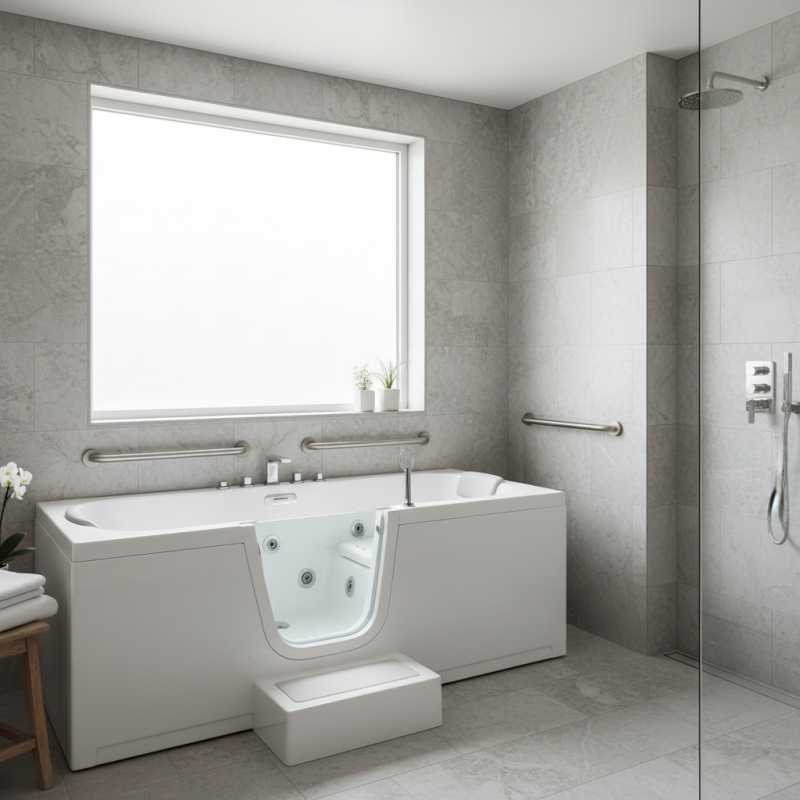
Walk-in bathtubs are more than just a trend; they offer safety and accessibility. According to a 2022 report by the National Association of Home Builders, nearly 70% of homeowners prioritize accessibility features when choosing bathroom fixtures. This trend highlights the growing demand for products catering to the aging population. As mobility issues rise, so does the need for bathrooms that ensure safety without compromising comfort.
A walk-in bathtub typically features non-slip surfaces and grab bars. These elements add layers of safety that are often overlooked. The same report shows that bathroom-related injuries are among the top causes of falls for seniors. As more consumers invest in remodeling, choosing a walk-in tub becomes a practical solution. However, the focus should also be on education regarding installation requirements and maintenance. Potential buyers often overlook how vital proper installation is to fully benefit from these tubs.
Research indicates that about 25% of homeowners who install walk-in tubs experience issues with water drainage and temperature control. While the initial investment might seem high, the long-term benefits often outweigh such concerns. It’s essential for buyers to seek professional advice. Engaging with experts ensures that the chosen tub truly meets their safety and comfort needs. Ignoring these details may lead to frustration later on.
When selecting a walk-in bathtub, there are key features to keep in mind. Safety is paramount. Look for slip-resistant floors and grab bars. These features help to prevent accidents, especially for older adults. The design should promote easy access, with wide doors and low thresholds to step over.
Comfort is another important aspect. Consider the size and shape of the tub. A larger tub may offer a more relaxing experience. Heated seats and water jets can enhance comfort. However, always check for ease of cleaning. Some designs may be visually appealing but difficult to maintain.
Installation and plumbing requirements can vary. Some tubs may require significant renovations, while others fit into existing spaces. Reflect on the space you have available. Not all walk-in tubs will fit seamlessly. Always consult a professional to ensure a proper fit and function.
This chart illustrates the key features that consumers prioritize when selecting a walk-in bathtub. Each category is rated on a scale from 1 to 10, reflecting its importance based on feedback and trends. The safety features and ease of access score the highest, indicating a strong preference among users for security and convenience.
Choosing the right walk-in bathtub can be daunting. Many models claim to be the best. However, it's vital to understand the unique needs of each user. Accessibility should be the priority. Look for tubs with low entry thresholds, ensuring safety for all users, especially the elderly or those with mobility issues.
Materials matter too. A sturdy, durable construction offers longevity. Acrylic and fiberglass are common options. These materials are easy to maintain and resist chipping. Consider the size and shape of the bathroom as well. A tub that fits perfectly enhances both functionality and aesthetics.
Don't overlook additional features. Some walk-in tubs come with built-in seating and non-slip surfaces. Adjustable showerheads can be a great benefit. However, not all models include adequate insulation. This can lead to a longer wait for hot water. Research user reviews to gain insights about each model. It’s important to weigh both positive and negative feedback, as experience is invaluable.
| Model | Material | Dimensions (L x W x H) | Weight Capacity | Special Features | Average Price ($) |
|---|---|---|---|---|---|
| Model A | Acrylic | 60 x 30 x 38 in | 300 lbs | Hydrotherapy jets, slip-resistant floor | 2,000 |
| Model B | Fiberglass | 54 x 30 x 36 in | 250 lbs | Easy-access door, built-in grab bars | 1,500 |
| Model C | Steel | 60 x 32 x 40 in | 350 lbs | Therapeutic jets, LED lighting | 2,500 |
| Model D | Acrylic | 62 x 34 x 39 in | 400 lbs | Dual massage system, built-in seat | 3,000 |
| Model E | Fiberglass | 58 x 30 x 37 in | 275 lbs | Overflow drain, adjustable showerhead | 1,800 |
| Model F | Steel | 60 x 32 x 36 in | 325 lbs | Non-slip surface, fast-fill faucet | 1,700 |
| Model G | Acrylic | 64 x 34 x 40 in | 375 lbs | Relaxing backrest, in-line heater | 3,200 |
| Model H | Fiberglass | 56 x 30 x 36 in | 250 lbs | Quick-drain system, built-in lighting | 1,600 |
| Model I | Acrylic | 60 x 32 x 38 in | 300 lbs | Safety grab bars, therapeutic massage | 2,100 |
| Model J | Steel | 58 x 30 x 36 in | 350 lbs | Adjustable water jets, slip-resistant | 1,900 |
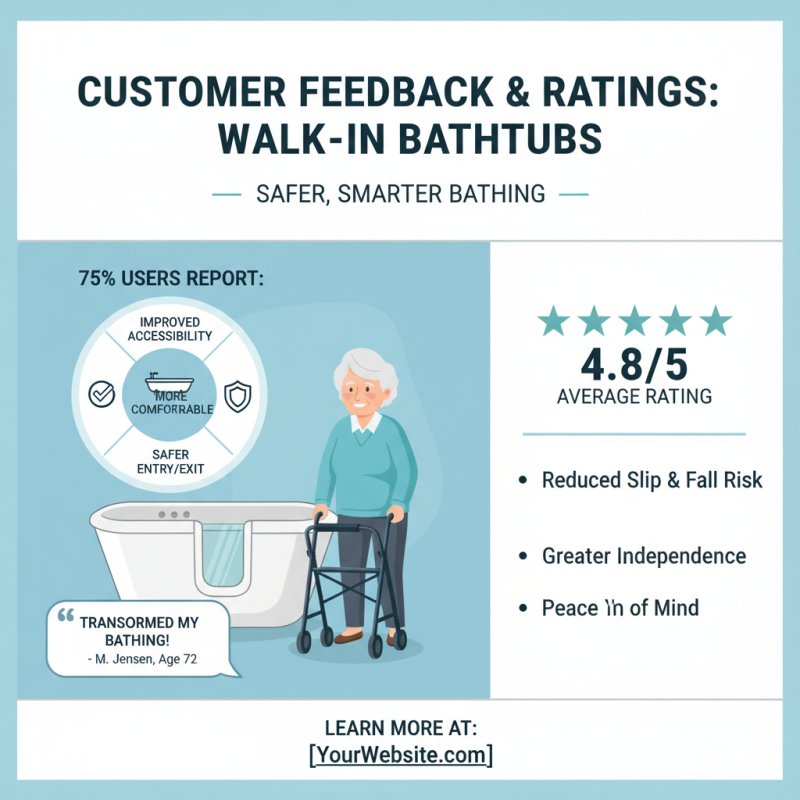
When considering walk-in bathtubs, customer feedback is invaluable. Surveys indicate that nearly 75% of users report improved accessibility and comfort. Many older adults express how these tubs have transformed their bathing experience. Users mention feeling safer when entering and exiting, reducing the risk of slips and falls.
The design features matter too. Customers appreciate non-slip surfaces and adjustable shower heads. A recent industry report found that 68% of consumers prefer tubs with built-in seating. However, some users voice concerns about installation costs and necessary bathroom renovations, leading to mixed reviews.
A primary consideration is water drainage. Some users have noted slower drainage times, which can be frustrating. This has caused certain brands to receive lower ratings. A good balance between function and style remains critical. Effective customer service is also a recurring theme; dissatisfied customers often highlight poor support as a major drawback. Recognizing these issues can drive manufacturers to innovate further.
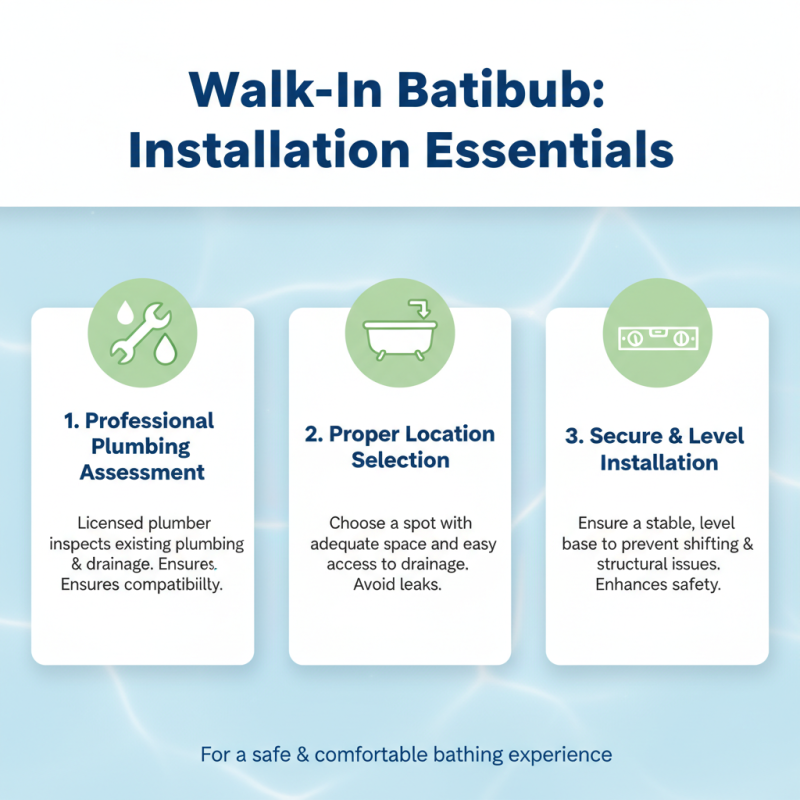
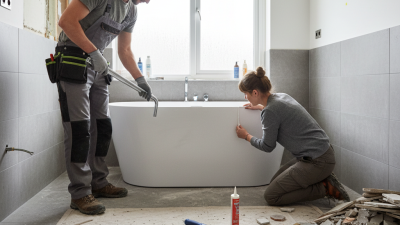
Installing a walk-in bathtub can be a great way to enhance your bathroom's accessibility. Proper installation is crucial for maximum safety and comfort. Ensure that the location allows for sufficient drainage. A professional plumber can help with this. They’ll assess your plumbing system and ensure it meets the new requirements. Ignoring this step can lead to leakage and other issues later on.
Maintenance of walk-in bathtubs is essential for longevity. Regularly check for leaks around the seals and fittings. Use a gentle cleaner to avoid damaging the surface. Scrubbing with harsh chemicals can cause wear over time. Make sure to inspect the door seals; replacing them can prevent water from escaping. A well-maintained bathtub will not only look good but will also provide a safe bathing experience.
Creating a relaxing environment is important, but so is addressing hidden problems. It can be easy to overlook minor cracks or stains. Consider scheduling periodic inspections to catch issues early. Don’t hesitate to reach out for professional help when needed, even if that feels like admitting defeat. Identifying and resolving these challenges will ensure your walk-in bathtub remains a valuable addition to your home.