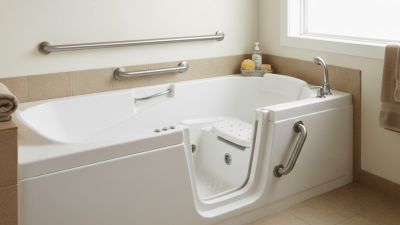
The Ultimate Guide to Choosing the Best Bath Tub for Your Bathroom Needs
When it comes to creating a serene and functional bathroom space, choosing the right bath tub is a pivotal decision that can significantly impact both comfort and aesthetics. According to bath tub industry expert, Michael S. Collins, “The perfect bath tub not only enhances the visual appeal of your bathroom but also elevates your relaxation experience.” As homeowners invest time and resources into perfecting their living spaces, understanding the diverse options available in bath tubs becomes crucial.
With an array of styles, materials, and features, the selection process can be overwhelming. Whether you prefer a classic clawfoot design or a modern freestanding model, each type of bath tub serves a distinct purpose and caters to different tastes. Features such as size, shape, and installation method can dramatically affect the overall functionality of your bathroom, making it essential to consider not just aesthetics but also how the bath tub fits into your daily routine.
Ultimately, choosing the best bath tub requires careful consideration of your bathroom's layout, your personal preferences, and your lifestyle needs. By navigating through the myriad possibilities, you can find a bath tub that perfectly complements your bathroom while providing a sanctuary for relaxation and rejuvenation.
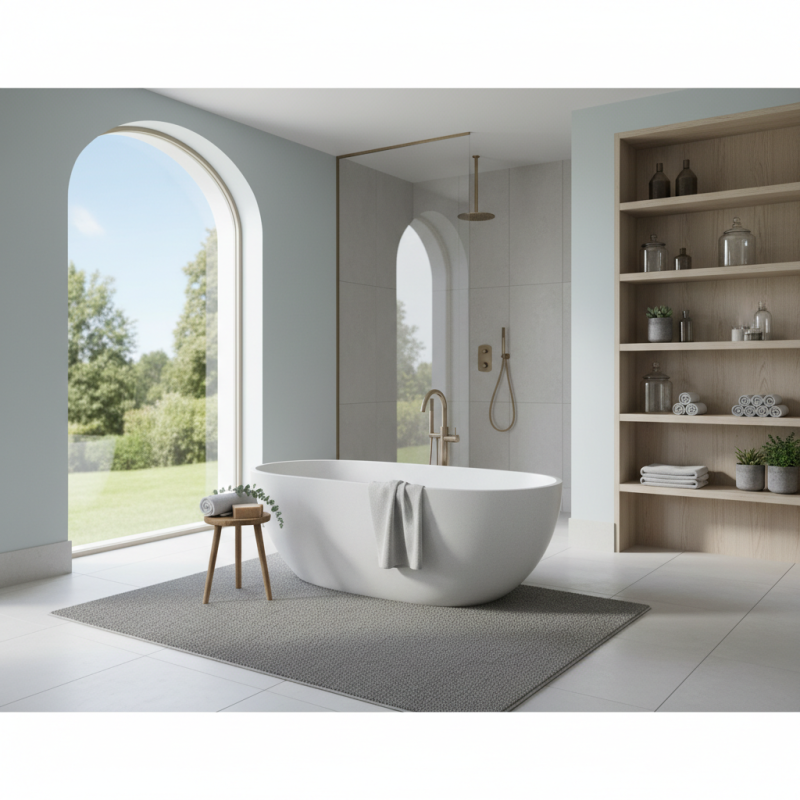
Factors to Consider When Choosing a Bathtub: Size, Shape, and Material
When choosing the best bathtub for your bathroom needs, several factors come into play, particularly size, shape, and material. Size is crucial; the average bathtub measures about 60 inches long, but it’s essential to consider the available space in your bathroom. According to a 2022 report by the National Kitchen & Bath Association (NKBA), 55% of homeowners stated that the size of their bathtub significantly influenced their overall satisfaction with their bathroom design. Ensuring that the bathtub fits comfortably in your space while allowing for easy access is pivotal.
Shape is another critical factor that can affect both aesthetics and functionality. Traditional freestanding and alcove bathtubs cater to different preferences and styles. A report from Houzz highlights that approximately 70% of homeowners prefer a modern freestanding design for its elegance and space-saving properties. When choosing the shape, think about the bathing experience you desire—whether it’s a deep soak or a casual wash—and ensure the shape complements the overall design of your bathroom.
**Tip:** Always measure your bathroom space before purchasing to avoid any fitting issues.
Another important element is the material of the bathtub. Common materials include acrylic, cast iron, and fiberglass. Each material offers different durability, heat retention, and maintenance requirements. For example, acrylic bathtubs are lightweight and retain heat well, making them a popular choice for many homeowners. According to a 2023 consumer survey, over 60% of homeowners prioritize durability and ease of maintenance in selecting their bathtub materials.
**Tip:** Choose a material that suits both your aesthetic preferences and lifestyle needs, keeping in mind that high-quality options may require a larger upfront investment but offer better longevity.
The Ultimate Guide to Choosing the Best Bath Tub for Your Bathroom Needs
Understanding Different Bathtub Types: Freestanding, Alcove, and Drop-In
When considering a new bathtub, understanding the different types available is crucial to meet your specific bathroom needs. The three most popular bathtub styles are freestanding, alcove, and drop-in. According to a report by Grand View Research, the global bathtub market is projected to reach $6.8 billion by 2025, driven largely by the rising demand for luxurious bathing experiences in homes.
Freestanding bathtubs offer a statement piece that can enhance the aesthetics of any bathroom. They come in various designs, from modern to vintage, allowing homeowners to express their personal style. Typically made from materials such as acrylic or cast iron, freestanding tubs are versatile and can be placed anywhere in the bathroom. This flexibility can transform space, as highlighted by a 2021 survey from the National Kitchen and Bath Association, which found that freestanding tubs are preferred by 35% of homeowners when remodeling their bathrooms.
Alcove bathtubs, on the other hand, are designed to fit against three walls, making them ideal for smaller spaces. They often incorporate shower facilities, making them functional for families. The same NKBA survey indicated that alcove bathtubs are the most common choice, used in over 60% of bathroom renovation projects.
Drop-in tubs, which require a frame or platform to sit in, offer a clean and seamless look, allowing for customized designs but usually require more planning and construction. Each type has its advantages, catering to differing preferences, budgets, and spatial constraints, making it essential to consider your specific needs before making a choice.
Evaluating Comfort and Ergonomics: What Industry Studies Recommend
When selecting a bathtub, comfort and ergonomics are pivotal factors to consider. Industry studies suggest that the design of a bathtub significantly impacts the user's experience, affecting both physical comfort and overall satisfaction. Key ergonomic features include the shape, depth, and slope of the tub, which should align with the natural contours of the body to provide optimal support. A well-designed bathtub can facilitate a relaxing soak, reduce strain on the body, and enhance the overall bathing experience.
Research indicates that the ideal bathtub should accommodate various body types and preferences. For instance, deeper tubs allow for full-body immersion, while those with contoured shapes can provide lumbar support, making it easier for users to relax. Additionally, considerations such as the height of the tub can influence ease of entry and exit, which is particularly important for individuals with mobility issues. Ultimately, factors like these not only enhance comfort but also contribute to safety within the bathroom environment, encouraging individuals to spend more time enjoying their baths without discomfort or risk of injury.
The Ultimate Guide to Choosing the Best Bath Tub for Your Bathroom Needs - Evaluating Comfort and Ergonomics
| Bathtub Type |
Material |
Comfort Rating (1-10) |
Ergonomics Rating (1-10) |
Price Range (USD) |
| Alcove Bathtub |
Acrylic |
8 |
7 |
300-800 |
| Freestanding Bathtub |
Cast Iron |
9 |
8 |
700-3000 |
| Soaking Bathtub |
Acrylic |
10 |
9 |
600-1500 |
| Walk-In Bathtub |
Fiberglass |
7 |
8 |
2000-4000 |
| Corner Bathtub |
Acrylic |
8 |
7 |
400-1000 |
Cost Analysis: Average Prices and Installation Expenses for Various Models
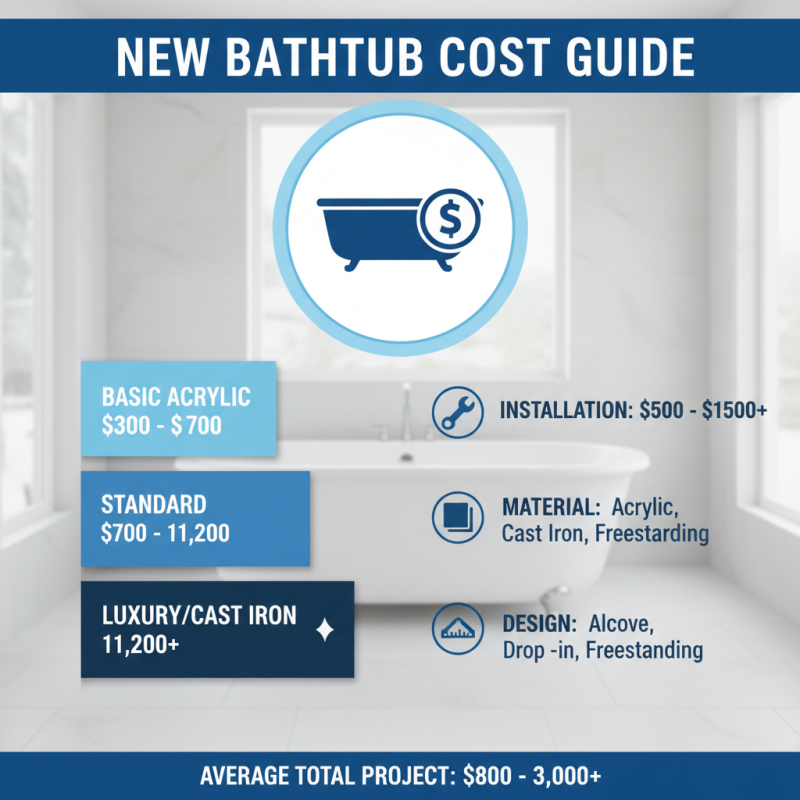
When planning to install a new bath tub, understanding the cost implications is crucial for budgeting effectively. According to industry reports, the average price range for standard bathtubs varies significantly. Typically, you can expect to pay between $300 and $1,200 for the tub itself, depending on the material and design. For instance, acrylic models are generally less expensive, while cast iron and luxury freestanding options can dramatically increase costs, reaching upwards of $2,000 or more.
Installation expenses will further add to your budget. Estimates suggest that homeowners can anticipate paying an additional $200 to $600 for installation services. Factors influencing these costs include the complexity of the install, plumbing modifications, and whether a professional plumber or contractor is required. If you are considering a complete bathroom remodel, including the tub could push costs well over $5,000, particularly if high-end features such as jet systems or custom tiling are incorporated. Therefore, a detailed cost analysis is essential for making informed decisions that align with both your aesthetic preferences and your financial resources.
Maintenance Tips for Bathtubs: Ensuring Longevity and Performance
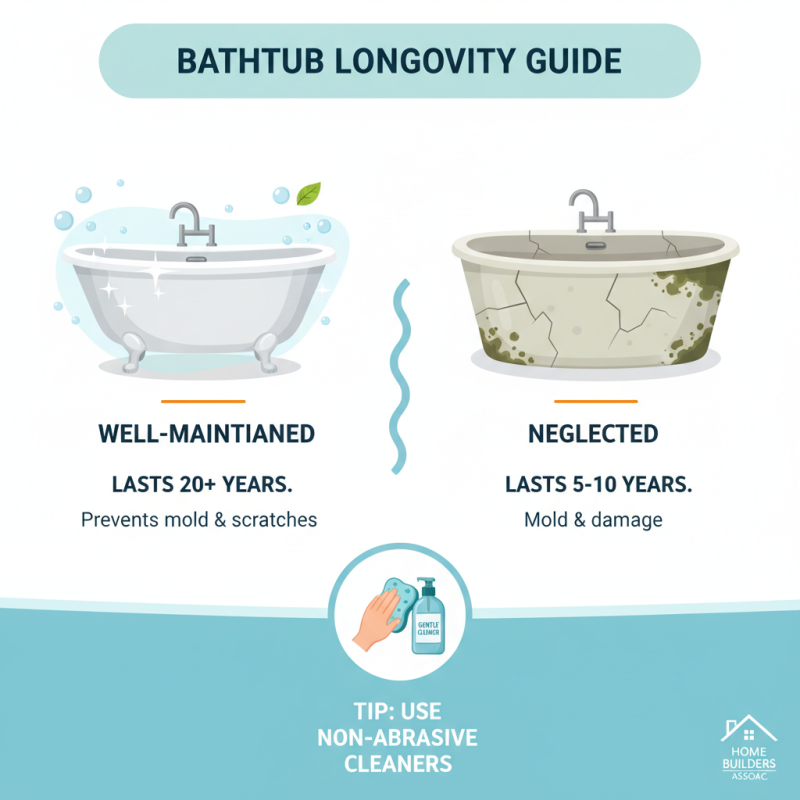
Maintaining a bathtub is essential not only for aesthetics but also for ensuring its longevity and performance. Regular upkeep can significantly extend the life of your bathtub, with industry studies indicating that well-maintained fixtures can last over 20 years, whereas neglected ones may need replacement after just 5 to 10 years. One of the key maintenance tips is to regularly clean the surface with non-abrasive cleaners. According to the National Association of Home Builders, using a gentle cleaner can prevent scratches and preserve the finish, which is vital for preventing the buildup of mold and mildew in moist environments.
Another critical aspect of bathtub maintenance involves checking for leaks around the faucet and the overflow drain. The American Society of Plumbing Engineers states that minor leaks can contribute to water waste, amounting to nearly 10,000 gallons per year, depending on the severity. Promptly addressing these issues not only conserves water but also protects underlying structures from water damage. Additionally, applying a sealant to the grout or tiles can prevent water seepage, which is crucial for maintaining the integrity of both the tub and the surrounding bathroom area. By following these simple maintenance tips, homeowners can ensure that their bathtubs continue to deliver comfort and functionality for years to come.
 Skip to content