Why Is Patio Door Installation Important?
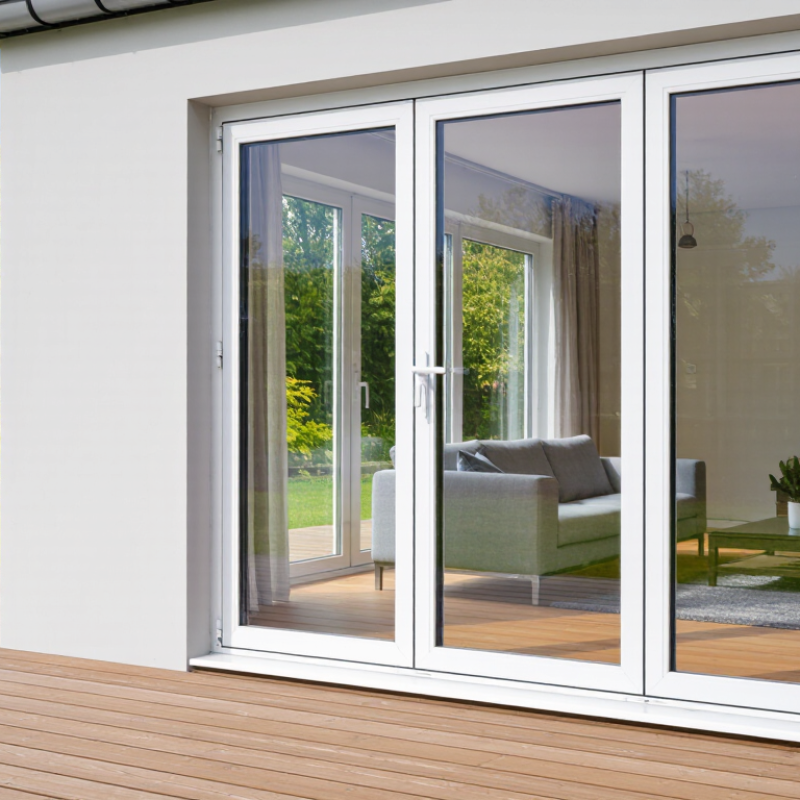
A patio door connects indoor comfort with outdoor living, but its performance depends on more than attractive glass and modern hardware. Patio door installation affects security, insulation, drainage, and everyday movement through the home. A poorly fitted door may drag across the track, admit rain, or create a cold draft near the floor. These problems often appear months after the project seems complete.
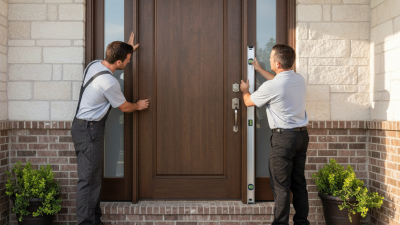
Experienced installers begin by checking the opening, wall condition, sill, and surrounding structure. They measure carefully because even a small gap can weaken the seal. Proper shimming keeps the frame square and helps the panels slide smoothly. Weather-resistant flashing and correctly applied sealant reduce water intrusion around the frame. Safety glazing, secure locks, and stable rollers also support safer daily use. Details matter.
A reliable installation should match the home, local climate, and door manufacturer’s requirements. Coastal homes may need stronger corrosion resistance, while colder regions benefit from better thermal performance. Professional guidance can identify these differences before materials are ordered. Still, no installation is completely free from uncertainty. Existing walls may hide moisture damage, and older homes rarely offer perfectly level openings. That reality deserves honest discussion.
The best results come from clear measurements, suitable materials, and careful finishing. Homeowners should ask about warranties, drainage paths, maintenance, and post-installation adjustments. A door that looks impressive on day one is not enough. It should remain smooth, dry, secure, and comfortable through changing seasons. That is why patio door installation deserves thoughtful planning rather than a rushed replacement.
What Patio Door Installation Involves
Why Is Patio Door Installation Important?
What Patio Door Installation Involves
Patio door installation begins with checking the opening, not simply measuring the old frame. An installer measures the width and height at several points because older walls may be slightly uneven. The sill and surrounding structure also need inspection for moisture damage, soft wood, or loose material. Small problems here can affect how well the new door seals.
The installer then prepares the opening and positions the frame, using shims to keep it level, plumb, and square. This step takes patience. Even a slight tilt can make a sliding panel stick or leave an uneven gap. Proper flashing and drainage details help direct water away from the wall, while suitable insulation reduces drafts around the frame. Fasteners must secure the frame without distorting it.
Details matter. Once the panels are fitted, the installer checks that they open, close, and lock smoothly. Weather seals should sit evenly, and the threshold should not create an unexpected trip point. A final inspection can reveal issues that are easy to overlook, such as a faint draft near one corner. I’ve found that this last check is sometimes rushed, though it deserves attention.
Why Correct Installation Enhances Security and Weather Protection
Why Is Patio Door Installation Important?
Correct patio door installation directly affects home security and weather protection. A door can have strong locks and quality glass, yet perform poorly when the frame is twisted. Uneven shims may leave gaps near the sill. Those gaps invite drafts, rain, and insects. They can also prevent the latch from engaging fully. Experienced installers check the opening, sill slope, plumb, level, and diagonal measurements before tightening fasteners. Small errors matter. No installation is perfectly forgiving.
The U.S. Department of Energy estimates that windows account for about 25–30% of residential heating and cooling energy use. Patio doors are part of that envelope. Poor sealing can increase indoor temperature changes and heating costs. NFRC ratings measure factors such as U-factor, solar heat gain, and air leakage under controlled testing. However, those ratings describe the product, not careless installation. A properly installed door needs compatible flashing, continuous sealant, secure anchoring, and drainage paths. The frame should operate smoothly without force. If it sticks, something may be wrong.
Tips: Confirm the rough opening before delivery. Use corrosion-resistant fasteners and manufacturer-approved sealants. Test the lock with the door fully closed. Spray water lightly around the exterior and inspect the interior for moisture. Photograph hidden flashing before trim covers it. Recheck the sill after the first heavy rain. That step is easy to skip, and regrettably, it is often the most revealing.
How Installation Affects Operation, Durability, and Comfort
Why Is Patio Door Installation Important?
A patio door can look perfect in the showroom and still perform poorly if its frame is out of square. Even a small alignment error can make the panel drag, strain the rollers, or leave a narrow gap where drafts enter. The U.S. Department of Energy estimates that heat gain and loss through windows account for 25–30% of residential heating and cooling energy use. A poorly sealed patio door can add to that burden. Accurate shimming, fastening, and perimeter sealing help the door slide smoothly and keep indoor temperatures more stable.
Water management matters just as much. Installers need to integrate the sill, flashing, and drainage path with the wall assembly, not simply cover gaps with sealant. Otherwise, wind-driven rain may collect beneath the threshold or reach vulnerable framing. That damage can take time to show. A door that closes evenly and latches without force is a useful check, though it does not replace inspection of the flashing and seal.
Tips: Before work begins, ask how the installer will check the opening for level and square, manage sill drainage, and seal the frame. After installation, test the lock and panel movement, then look for daylight or a noticeable draft around the edges. Small details are easy to miss, even on a careful job.
When Professional Patio Door Installation Is Necessary
Professional patio door installation matters most when the opening is not a simple, square replacement. A door that binds, leaks after rain, or leaves a cold strip near the floor may signal problems with the sill, framing, or flashing. Sliding glass panels are heavy, and small alignment errors can affect locks, rollers, and weather seals. The U.S. Department of Energy reports that windows account for about 25–30% of residential heating and cooling energy use. Patio doors are only part of that total, but poor sealing can still undermine comfort and energy performance.
Hire an experienced installer when the frame shows rot, the opening is out of level, water has entered the wall, or the new door differs in size or configuration. These conditions may require careful measurements, structural repairs, and properly layered flashing—not just foam around the frame. ENERGY STAR’s window and door guidance emphasizes selecting products suited to the climate; correct installation helps the product perform as intended. A precise fit matters. Even a high-performing door can disappoint if water has an easy path indoors. And sometimes the existing framing looks fine until it is opened.
Tips: Before work begins, ask how the installer will protect the exposed opening from rain and connect the sill flashing to the wall’s drainage layer. Confirm who handles trim, disposal, and any hidden wood repairs. After installation, check that the door slides smoothly, locks without force, and has an even seal. Take photos of the exposed sill and flashing; they can be useful later.
 Skip to content