2026 Top Exterior Door Replacement Options for Buyers?
Replacing an exterior door can change more than a home’s appearance. It affects drafts, security, daylight, and the way the entry feels every day. In 2026, buyers can compare fiberglass, steel, and wood options, along with insulated glass, sidelights, and smart-lock compatibility. The right choice depends on the opening, local weather, maintenance preferences, and budget—not just the finish shown in a showroom.
Veteran finish carpenter and educator Gary Katz offers a useful installation principle, paraphrased here rather than quoted verbatim: “A door performs well when it is fitted and sealed carefully, not merely chosen for its appearance.” Small details matter. A narrow gap at the threshold can admit cold air; a poorly flashed frame can expose the surrounding wall to moisture. Even a premium door may disappoint if the opening is out of square or installation is rushed. That point is easy to overlook.
This guide explores leading exterior door replacement options for buyers, with practical trade-offs in durability, energy performance, upkeep, and cost. It also considers when a simple slab replacement may work and when the frame needs attention. Ratings and warranties deserve a close read, but they do not tell the whole story. Installation quality and the condition of the existing opening matter too. A little uncertainty remains until the doorway is inspected in person. That is worth admitting.
How to Assess Your Exterior Door Replacement Needs
Before comparing exterior door replacement options, identify what is failing. Check the slab, frame, threshold, hinges, and weatherstripping. Look for daylight around the edges, soft wood, rust, or water marks near the floor. A door that sticks only in humid weather may need adjustment, not replacement. Measure twice. Record the opening’s height, width, and depth, plus which way the door swings.
Next, consider your home’s exposure and daily use. A north-facing entrance may stay damp, while a sunlit door can fade or heat up. Choose materials and glass based on local weather, maintenance habits, privacy, and the amount of light you want. If the frame is warped or leaking, replacing only the door may leave the main problem untouched. A little guesswork here can get expensive.
Finally, check practical details before requesting estimates. Note locks, sidelights, trim, and any uneven flooring that could affect installation. Ask whether the quote includes removal, disposal, frame repairs, and sealing around the opening. If you are unsure whether the frame is sound, have an experienced installer inspect it. Photographing the hinges and threshold helps explain the problem, though photos cannot reveal hidden rot. A written checklist keeps comparisons fair.
Which Door Styles Suit Different Entryways?
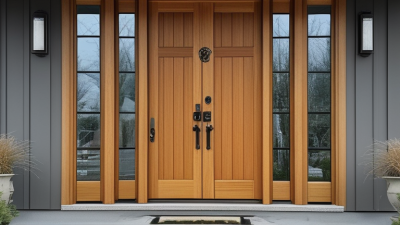
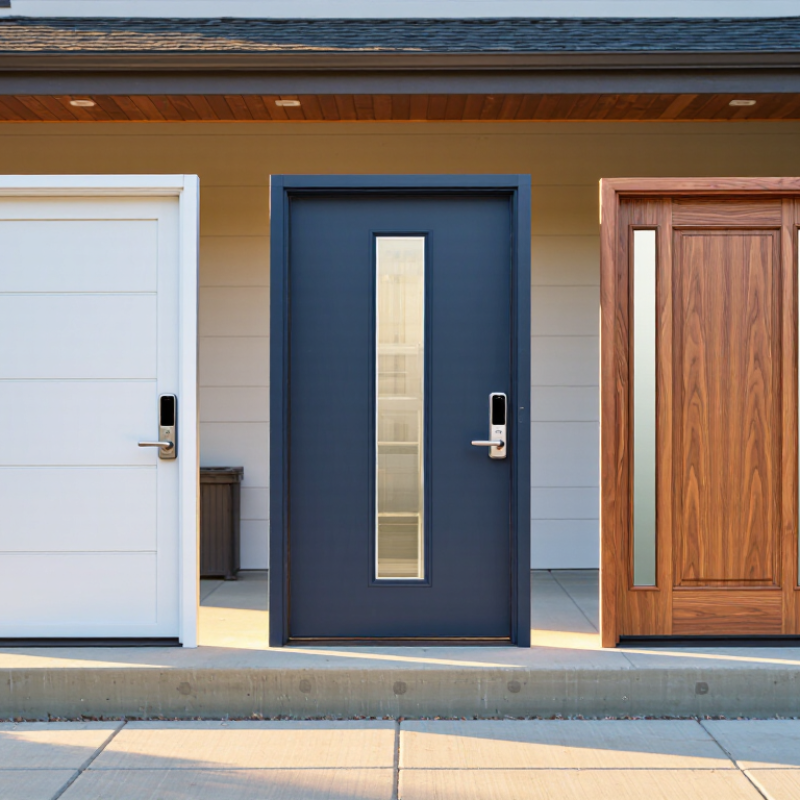
A narrow entry often suits a single-panel door with simple lines. It leaves more wall space for a porch light, house number, or slim sidelight. Craftsman-style doors, with solid lower panels and small upper windows, work well on modest homes. Their divided glass can brighten a dim hall without putting the whole entry on display. Keep the frame visually quiet if the facade already has busy brick or trim. Too many details can compete.
Wider porches can handle double doors, but check the opening and swing clearance before choosing them. A door that looks balanced in a photo may crowd steps or furniture in real life. Modern flush doors suit clean-lined facades; traditional raised panels feel more at home beside older brickwork. Glass-heavy designs add daylight, though privacy can feel limited after dark. Consider textured or obscured glazing, and note which way the entry faces. I would not choose by style alone. Measure the rough opening, inspect the sill for water damage, and ask a qualified installer to confirm the frame and threshold. This advice is imperfect: local weather and the house’s proportions can change what looks right.
How Exterior Door Materials Compare in Durability and Care
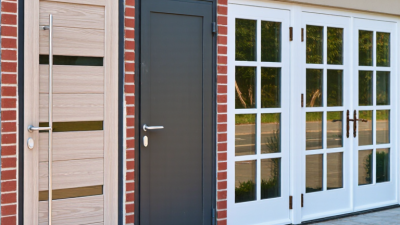
For 2026 buyers, exterior door materials differ in how they handle moisture, impact, and routine care. Fiberglass resists rust and usually needs only washing and occasional hardware checks. Its insulated core can help limit drafts, though poor installation may still cause air leaks. Steel doors offer a sturdy, often cost-conscious option. A deep dent can be difficult to repair, and chipped paint may expose the surface to rust. Wood brings natural texture and can be repaired, but rain and strong sun demand regular inspection and refinishing.
Care depends on exposure. A shaded entry may need less attention than a door facing afternoon sun or wind-driven rain. Check the bottom edge, weatherstripping, and frame each season. Small gaps matter. Even a durable slab can perform poorly if the frame is out of square or water collects at the threshold. Material alone does not tell the whole story.
Tips: Match the door to your local weather and maintenance habits. Wash fiberglass or painted steel with mild soap; avoid harsh abrasives. Recoat wood when its finish begins to dull or peel, not after bare patches appear. Keep hinges and locks clean, and address sticking early. One detail buyers sometimes overlook: glass inserts can add cleaning needs and may change heat gain, depending on their size and orientation. There is no perfect material; the right choice involves trade-offs.
| 2026 Top Exterior Door Replacement Options for Buyers? - How Exterior Door Materials Compare in Durability and Care |
| Door Material |
Weather and Moisture Resistance |
Resistance to Dents and Scratches |
Insulation Considerations |
Typical Care |
Best Fit |
| Fiberglass |
Resists moisture and does not rust or rot. Quality and performance vary by construction and finish; prolonged direct sun can fade or wear some finishes. |
Generally resists dents better than thin-gauge steel, but a hard impact can crack or damage the surface. |
Many models use an insulated core. Check the complete door unit’s energy ratings, glazing, and weatherstripping. |
Wash with mild soap and water. Inspect the finish, seals, and hardware; follow the maker’s instructions for refinishing. |
Buyers seeking low routine maintenance and a wood-like appearance, especially where moisture is a concern. |
| Steel |
Does not rot, but exposed or damaged coatings can allow corrosion. Water exposure and climate affect how often the finish needs attention. |
Can dent, particularly in thinner skins; scratches that expose bare metal should be repaired to help prevent rust. |
Insulated-core options are common. Thermal performance depends on the full assembly, including frame, seals, and glass. |
Clean periodically, check paint and weatherstripping, and promptly touch up chips or scratches according to product guidance. |
Buyers prioritizing a strong, commonly available option and willing to maintain the protective finish. |
| Solid Wood |
Can swell, shrink, or warp with changes in moisture and temperature if not properly sealed and maintained. |
May scratch or dent, but surface damage can often be sanded and refinished, depending on the door’s construction. |
Performance varies with wood species, thickness, design, and weather seals; inspect the unit’s published energy information. |
Keep paint or stain intact. Inspect edges and exposed surfaces regularly, and refinish when the protective coating deteriorates. |
Buyers who value natural grain and repairability and can commit to regular finish maintenance. |
| Aluminum |
Resists rust, though finishes can wear and corrosion may occur in some conditions. Suitability depends on the product and local exposure. |
Can dent or scratch; visible damage depends on the thickness and finish. |
Aluminum conducts heat readily, so thermal breaks and insulated construction are important for energy performance. |
Clean the surface, inspect the finish and seals, and address scratches or coating damage using product-specific guidance. |
Buyers looking for a lightweight, corrosion-resistant metal door and who verify thermal performance for their climate. |
What Energy, Security, and Weather Features Matter in 2026?
In 2026, an exterior door should be judged by how it performs at your home, not by one impressive number. Check the complete door system, including frame, glass, seals, and installation. A well-insulated slab can still leak warm air around a poorly fitted frame. Look for documented thermal ratings and glazing options suited to your climate. On a cold morning, a draft near the threshold is easy to notice. Heat loss through the glass may be less obvious.
Security depends on more than the lock. A solid, well-fitted frame and reinforced strike area help resist forced entry. Consider a deadbolt with a deep-throw bolt, sturdy hinges, and hinges with non-removable pins when exposed. Glass beside the door can affect privacy and access; smaller panes or laminated glazing may be worth comparing. No door makes a home entirely secure.
Weather details matter, too. Compression weatherstripping should meet evenly when the door closes, while the threshold should limit water without creating a tripping hazard. In rainy or coastal areas, ask about corrosion-resistant hardware and drainage details. Installation quality is easy to overlook, and even good materials can disappoint when gaps remain. Before ordering, measure the opening and ask how the installer handles uneven floors or walls. A tiny gap matters.
2026 Top Exterior Door Replacement Options for Buyers: Energy, Security & Weather
Approximate insulation R-value ranges for common exterior door constructions. Higher R-values indicate greater resistance to heat flow.
How to use this: These are general, approximate insulation ranges; construction and full-door performance vary. Compare a door’s certified whole-unit U-factor and air-leakage information, not just its material or center-panel R-value. Also check for continuous weatherstripping, a well-sealed threshold, and reinforced lock areas; use tested security ratings where available.
How to Compare Costs, Installation, and Long-Term Value
When comparing exterior door replacement options, compare the installed cost, not just the door’s sticker price.
Ask each installer to separate the door, frame, removal, trim, flashing, hardware, and labor. That makes a low quote easier to inspect. An existing frame may be reusable, but only if it is square, dry, and free of rot. Look closely at the threshold; a soft, stained sill can signal water damage. Small details matter.
Installation quality affects comfort as much as the door itself.
Ask how the crew will seal gaps, insulate around the frame, and manage water outside. Confirm whether disposal, interior trim repairs, and painting are included. These items can shift the final bill. Get the work scope in writing, including who handles unexpected damage. Even good estimates leave some uncertainty.
For long-term value, weigh maintenance, expected durability, weatherstripping, and the door’s fit for your climate.
A glazed design may brighten a dim entry, but consider privacy and heat gain too. Ask what the warranty covers and who performs follow-up service. Compare realistic upkeep, not just advertised efficiency claims. It is easy to focus on appearance and regret that choice later. A plain door with careful installation may serve better than a costly one fitted poorly.
 Skip to content