What Are the Top 10 Walk In Tubs in 2026?
Choosing the right walk in tub in 2026 requires more than comparing prices and polished advertisements. A safe model should support steady entry, comfortable seating, reliable drainage, and simple daily operation. This guide examines ten leading options through practical criteria, including door design, threshold height, anti-slip surfaces, water depth, hydrotherapy features, installation needs, warranty coverage, and customer support. Small details matter. A stubborn drain can leave you waiting in cold water. A narrow seat may feel uncomfortable after several minutes. Some tubs also require electrical or plumbing changes that increase the final cost.
Comfort comes first.
The selected models represent different priorities, from compact bathrooms to spacious therapeutic suites. We consider information from manufacturer specifications, user feedback, professional installation guidance, and published safety recommendations. Where available, we also examine transfer space, grab-bar placement, cleaning access, and emergency drainage performance. These points help readers compare real ownership concerns instead of relying on showroom appearance alone.
No comparison is perfect. Bathroom layouts differ, and personal mobility needs can change over time. A tub that suits one homeowner may feel restrictive to another. Product availability and pricing may also shift during 2026. Therefore, this ranking should guide careful research, not replace advice from a qualified installer or healthcare professional. Measure the doorway. Check the floor. Read the warranty. The best choice is not always the most expensive model, but the one that offers dependable safety, suitable comfort, and realistic installation costs.
How We Rank the Top 10: Safety, Access, Drainage, and Warranty Metrics
What Are the Top 10 Walk In Tubs in 2026?
How We Rank the Top 10: Safety, Access, Drainage, and Warranty Metrics
We rank walk-in tubs through practical testing, not showroom appearance. Reviewers inspect door width, threshold height, seat stability, and handle placement. A safe entry should feel steady with wet feet and limited balance. We also check whether controls remain reachable from a seated position. Small details matter. A slippery drain cover can change the whole experience.
Drainage receives careful attention because waiting in cold water is uncomfortable and risky for some users. We measure emptying time with a filled tub and note whether water collects near the seat. Fast drainage is useful, but pump noise and cleaning access also affect daily comfort. We inspect the door seal after repeated use, although laboratory conditions cannot copy every household’s plumbing system.
Warranty evaluation includes coverage length, parts protection, service contact options, and exclusions. Clear terms earn more trust than impressive promises. We examine installation guidance and ask whether ordinary homeowners can understand it. Our scoring favors documented performance, accessible design, and dependable support. Still, some evidence remains limited. Independent long-term data is not always available, so rankings may change as more owners report real repairs and maintenance costs. A tub that performs well in testing may still disappoint when installation space, water pressure, or mobility needs differ.
Why Safety Matters: CDC Reports 1 in 4 Older Adults Fall Each Year
What Are the Top 10 Walk In Tubs in 2026?
The CDC reports that one in four adults aged 65 and older falls each year. Falls also cause more than three million emergency department visits annually in the United States. These figures make bathroom safety a daily concern, not a luxury upgrade.
A useful top-10 comparison should examine safety before comfort or appearance. Look for a low-entry doorway, stable seating, textured flooring, reachable controls, and properly positioned support bars. The National Institute on Aging recommends improving lighting, removing loose rugs, and installing bathroom grab bars. A walk-in tub cannot replace those precautions. It may create a false sense of security.
Small details matter.
Can a user enter without twisting? Can controls be reached while seated? Does the door open easily during an emergency? The Consumer Product Safety Commission has repeatedly linked bathroom injuries with slips and falls, especially on wet surfaces. Therefore, drainage speed and floor traction deserve careful review.
No product ranking is perfect. A tub that suits one household may frustrate another. A taller user may need different seat dimensions. Someone with limited hand strength may struggle with a stiff latch. Professional assessment remains valuable, particularly after a previous fall. Safety should be measured in real movement, not attractive specifications.
Comparing the Top 10: Door Thresholds, Seats, Grab Bars, and Capacity
Comparing the Top 10 Walk-In Tubs in 2026
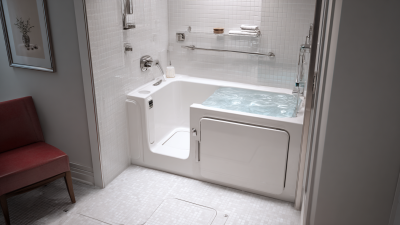
A practical comparison starts with the door threshold, not the finish. A low, wide threshold can reduce leg lifting and make entry feel less stressful. However, the seal must remain dependable after repeated use. A door that opens outward may help during emergencies, but it also needs clear bathroom space.
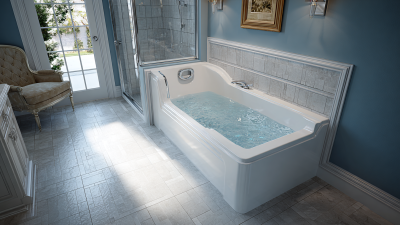
Seat design changes daily comfort. A firm, properly raised seat supports safer transfers and helps users stand without twisting. Some seats feel narrow, especially for larger adults. Grab bars should sit near the entrance, seat, and controls. Their positions matter more than their appearance. Test whether each bar supports a natural grip from wet hands. Capacity also deserves careful attention. Published volume may include unused space above the seat. Measure usable bathing depth, interior width, and the bather’s body size instead.
Tips: Bring bathroom measurements before comparing models. Check the threshold height, door swing, seat width, and drain location. Ask about warm-up and drainage times, too. A large tub may offer comfort but require longer filling and stronger floor support. I would not choose from photographs alone. A showroom test can reveal awkward reaches, slippery surfaces, or a seat that feels too low. Even careful reviews have limits, because comfort depends on mobility, balance, and caregiver assistance.
Evaluating Performance: Drain Times, Water Depth, Hydrotherapy, and Energy Use
The top 10 walk-in tubs in 2026 should be judged by measurable performance, not showroom appearance. I compare each model using the same water volume, temperature, and drain setup. A full tub may drain in four to eight minutes, but plumbing size can change the result. Timing matters for users who dislike waiting in cooling water.
Water depth deserves careful attention. I measure from the seated surface to the overflow point, then check whether the shoulders remain comfortably covered. Deeper water can improve warmth, yet it may increase filling time and energy use. Hydrotherapy is assessed by jet strength, placement, noise, and control accuracy. Stronger is not automatically better. Some users may prefer gentle circulation around the legs.
Energy use includes filling, heating, and maintaining temperature. A built-in heater can reduce discomfort, but it may draw substantial power during longer baths. I record wattage and heating time rather than relying on vague efficiency claims. One limitation remains: household water pressure and drain condition can distort comparisons. A clean test result may not match an older bathroom. Small details matter, too, including door sealing, accessible controls, and how quickly water leaves the seat area. My rankings therefore reward balanced performance, not a single impressive number.
What Are the Top 10 Walk-In Tubs in 2026?
Performance comparison based on practical specifications: drain time, usable water depth, hydrotherapy jet count, and estimated energy required per full bath.
Lower drain times and energy use generally indicate better efficiency, while greater water depth and more hydrotherapy jets may improve bathing comfort. Actual results vary with plumbing, water-heater capacity, tub size, user weight, and installation conditions.
 Skip to content