Serving Minnesota & Iowa for over 25 years
Choosing the right exterior doors affects security, energy efficiency, curb appeal, and everyday comfort. A front door welcomes visitors, but it also faces rain, heat, wind, and repeated use. The best choice depends on your climate, entryway size, budget, and maintenance expectations.
This guide examines the top types of exterior doors, including wood, fiberglass, steel, sliding, French, and glass-panel designs. Each material behaves differently under pressure. Wood offers warmth and character, but it may swell around damp thresholds. Fiberglass can resemble natural grain while resisting moisture and dents. Steel often provides strong security, although scratched surfaces can develop rust without prompt repair. Sliding doors save space, yet their tracks need regular cleaning. Small details matter.
Look closely at the frame, hinges, weatherstripping, lock system, and threshold. A beautiful door can still perform poorly if installation leaves visible gaps. Energy ratings, manufacturer instructions, and local building requirements deserve careful attention. Experienced installers typically check wall alignment before fitting the slab, because a few millimeters can affect sealing and smooth operation. This guide relies on practical performance factors rather than appearance alone. Still, no door suits every home. That is worth remembering.
You may prefer a solid steel door for a busy street, while a fiberglass model may better suit a coastal property. We will compare their strengths, limitations, costs, and maintenance needs. The goal is simple: help you choose exterior doors that look appropriate and work reliably for years.
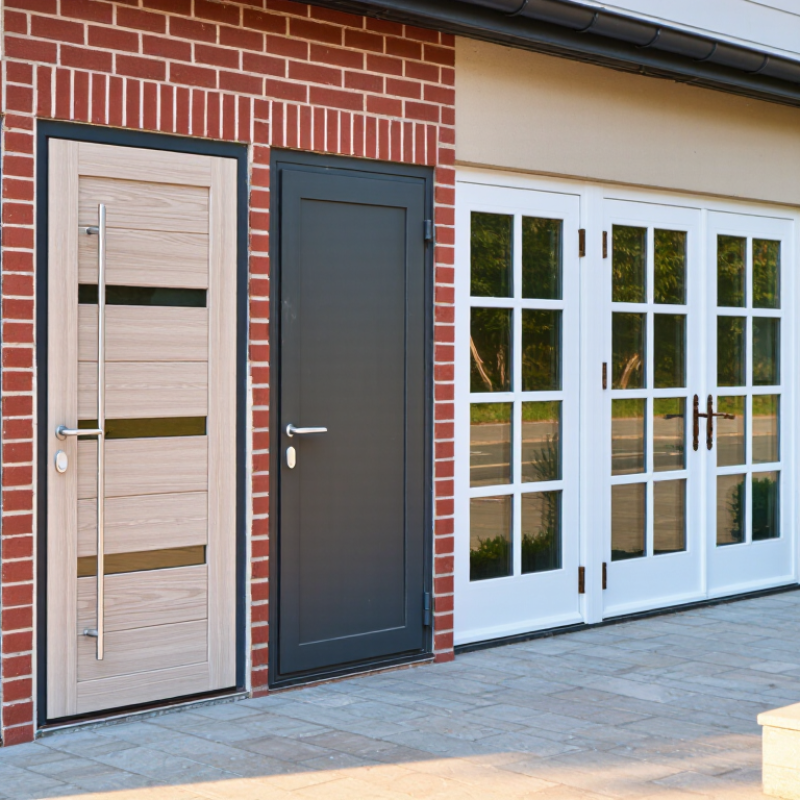
An exterior door separates your living space from outdoor conditions. It must handle rain, wind, sunlight, temperature changes, and daily use. Common types include entry doors, patio doors, storm doors, and service doors. Each type supports a different purpose.
An entry door provides controlled access and a strong first barrier. A patio door encourages movement between indoor rooms and outdoor areas. Sliding designs save space, while hinged designs can offer a wider opening. Storm doors add another protective layer against drafts and rain. Service doors often connect utility rooms, garages, or side entrances. In practice, the best exterior door balances security, weather resistance, insulation, and comfortable operation. A heavy door is not automatically a better door.
Tips: Check the frame, threshold, hinges, locks, and weather seals. Look for daylight around the closed door. It may indicate air leakage. Measure the opening carefully before choosing a replacement.
Exterior doors also affect energy use and indoor comfort. A well-fitted door can reduce cold spots near the entrance. Glazed panels can bring in daylight, but they may need strong thermal performance.
Materials behave differently. Wood offers warmth and can require regular maintenance. Steel can resist impact, while fiberglass often handles moisture well. These are general tendencies, not guarantees. Poor installation can weaken excellent materials. Watch how the door closes after rain, seasonal movement, or years of use. A door that sticks slightly today may become a serious problem later.
Exterior doors must resist rain, sunlight, wind, and daily use. Their material often determines comfort, security, maintenance, and service life. No option is perfect.
Wood doors offer natural grain and strong visual warmth. They can be repaired, sanded, and refinished when small surface damage appears. However, exposed wood may absorb moisture and swell around the bottom edge. A covered entrance and regular sealing help reduce this risk.
Fiberglass doors provide a practical balance between appearance and durability. Many have textured surfaces that resemble painted wood, while their cores improve insulation. They usually resist dents, moisture, and temperature changes better than solid wood. Steel doors are strong and often cost less. Their painted finish can chip, though, allowing rust to develop if repairs are delayed. Small flaws matter.
Aluminum doors are lightweight and resist corrosion, making them suitable for modern homes and humid areas. Still, metal can transfer outdoor heat unless the frame includes a thermal break. Composite doors combine several materials and may offer reliable weather resistance, but quality varies by construction. When comparing options, inspect the frame, threshold, hinges, weatherstripping, and finish—not only the door panel. A beautiful door can perform poorly if installation leaves gaps.
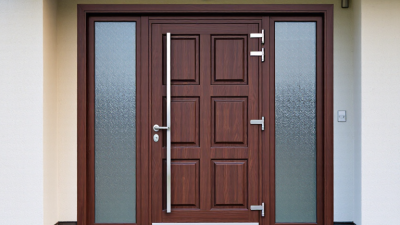
Panel doors suit traditional façades, rental properties, and busy family entrances. Their solid surfaces provide privacy, security, and simple maintenance. Steel models often deliver strong value.
The 2024 Cost vs. Value Report recorded an average 188.1% cost recoupment for steel entry door replacement. That figure reflects resale value, not guaranteed profit.
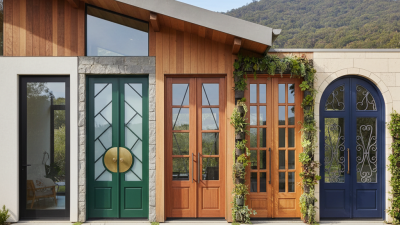
Glazed doors work well at rear patios, gardens, and shaded side entrances. They bring daylight indoors, but insulated glass and durable frames matter.
French doors create a wider opening for dining rooms or covered porches. They look refined, though their swing requires clear floor space.
Sliding patio doors fit compact rooms because the panels move beside the wall. A practical warning: tracks collect dust and can become difficult to operate without cleaning.
Pivot doors create a dramatic main entrance, but their size can increase heat transfer and installation complexity.
The U.S. Department of Energy advises selecting doors with suitable insulation and weatherstripping to reduce unwanted air leakage. Regional conditions change the answer.
Coastal homes may need tested impact resistance, while cold climates benefit from low air-infiltration ratings. A visually impressive door can still perform poorly.
Check the manufacturer’s thermal data, installation instructions, and local building requirements before choosing.
What Are the Top Types of Exterior Doors?
Steel doors usually provide the strongest resistance to impact and forced entry. Fiberglass doors resist dents, moisture, and daily temperature changes better than many wood doors. Wood offers natural insulation and a warm appearance, but it needs regular sealing. Sliding glass doors improve daylight and access, yet their large panels demand careful lock and frame selection. The U.S. Department of Energy reports that windows can cause 25–30% of household heating and cooling energy loss. A poorly sealed exterior door can worsen that problem.
Compare the NFRC label when available. Lower U-factor generally means better insulation, while lower solar heat gain coefficient can reduce unwanted summer heat. Also inspect weatherstripping, threshold adjustment, and frame alignment. The slab is not always the weak point. A loose frame can undermine an expensive lock. The 2024 Cost vs. Value Report recorded a 188.1% average cost recoupment for steel entry-door replacement. That figure reflects resale conditions, not guaranteed performance. Published ratings cannot fully predict installation quality, coastal exposure, or years of family use.
Tips: Stand inside on a windy day and check for moving air around the frame. Choose laminated or impact-rated glass where security matters. Confirm the lock, hinges, and strike plate are tested together. Ask for written U-factor data, forced-entry testing, and maintenance requirements. A beautiful wood door may be the wrong choice for a wet entrance. That is worth admitting.
This comparative index rates common exterior door types from 1 to 10 based on typical material characteristics. Insulated fiberglass and insulated steel doors generally provide the best overall balance of security, energy efficiency, and durability, while performance varies with construction, glazing, hardware, weatherstripping, installation quality, and local climate.
What Are the Top Types of Exterior Doors?
How to Choose the Right Exterior Door for Your Home
Choosing an exterior door starts with your home’s exposure, not its appearance. A door facing heavy rain needs different protection than one under a deep porch. Steel doors offer strong security and resist warping. Fiberglass doors handle moisture well and can imitate natural wood grain. Wood doors provide warmth and character, but they need regular sealing. Glass-panel doors bring daylight inside, though they may reduce privacy.
Measure the opening carefully. Check the wall thickness, frame condition, swing direction, and threshold height. A small measuring error can create drafts or prevent the door from closing properly. I once underestimated an uneven porch floor, and the finished door rubbed against the threshold. That mistake was avoidable.
Consider your local climate. In humid areas, choose materials and finishes designed to resist swelling and corrosion. For cold weather, inspect the door’s insulation value and weatherstripping. A tight seal should stop a thin piece of paper from sliding through the edges. Security also depends on the frame, hinges, and lock installation, not only the door slab. A qualified installer can check these details and confirm proper alignment. Test the door after installation during daylight and at night. Small gaps become obvious then.
| Exterior Door Type | Best For | Main Advantages | Limitations | Insulation | Maintenance | Security Potential |
|---|---|---|---|---|---|---|
| Fiberglass | Most climates and homeowners seeking a balanced option | Resists moisture, warping, denting, and corrosion; can imitate wood grain | Some surface damage can be difficult to repair; quality varies by construction | High | Low | High |
| Steel | Security-focused entryways and budget-conscious projects | Strong, widely available, and often cost-effective; insulated cores improve energy performance | Can dent; exposed scratches may lead to rust if not repaired, especially in damp or coastal areas | High | Medium | Very high |
| Solid Wood | Traditional, historic, or architecturally distinctive homes | Natural appearance, strong design flexibility, and the ability to be repaired or refinished | More sensitive to moisture and temperature changes; may swell, shrink, or warp without proper protection | Medium | High | High |
| Aluminum | Modern designs, humid regions, and areas needing corrosion resistance | Lightweight, corrosion-resistant, and available in slim-frame designs; limited seasonal maintenance | Conducts heat unless thermally improved; can dent more easily than steel | Low to medium | Low | Medium |
| Glass Panel | Bright entrances, patios, and homes requiring outdoor views | Brings in daylight and supports contemporary or transitional designs; privacy glass is available | Privacy and heat gain depend on glass selection; insulated glass and quality frames are important | Medium to high | Low | Medium to high |
| Sliding Patio Door | Wide openings, patios, decks, and rooms with limited swing space | Saves floor space, provides broad access, and offers large glass areas for natural light | Tracks and rollers require cleaning; security depends heavily on the frame, lock, and installation | Medium to high | Medium | Medium |
| Storm Door | Homes needing an additional weather barrier and ventilation option | Adds protection from weather, can improve ventilation, and helps protect the primary entry door | It is an additional door rather than a replacement entry door; screens and closers need occasional care | Medium | Low | Medium |