Why Choose Walk In Tubs With Jets?
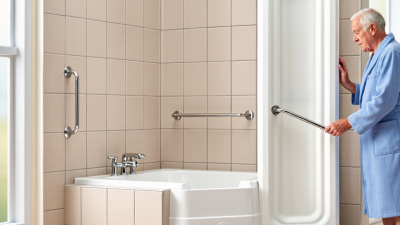
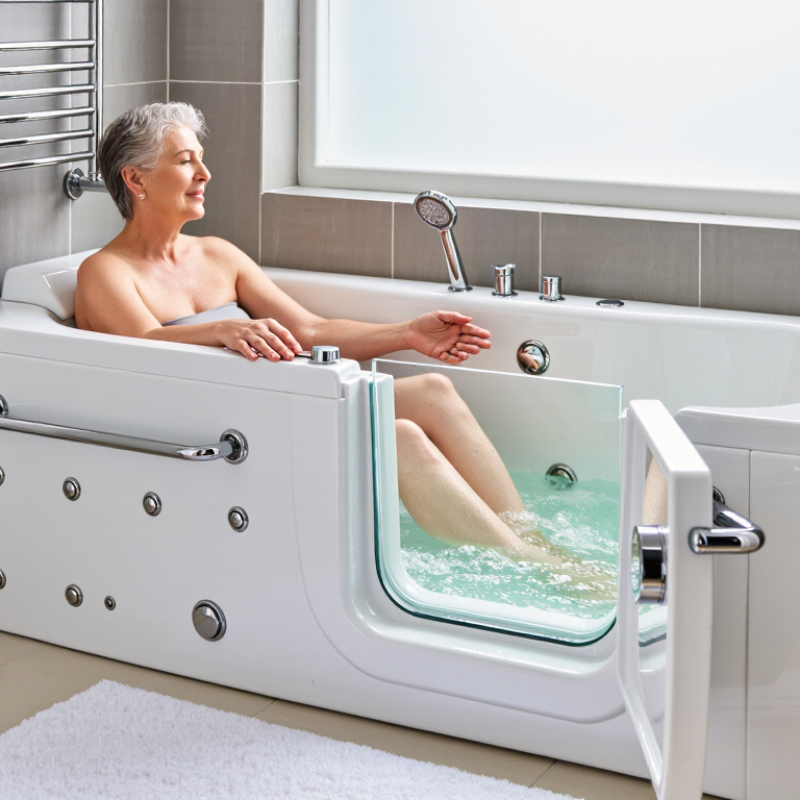
Walk in tubs with jets offer more than a relaxing soak. For people who find stepping over a high tub wall difficult, a walk-in design can make bathing feel more manageable. The low-entry door, built-in seat, and grab bars address practical concerns. Water jets add a soothing feature, though they are not a substitute for medical treatment or professional advice.
The details matter. Picture a seated bather adjusting the controls while warm water moves through the jets. That comfort depends on the tub’s fit, the user’s mobility, and a safe installation. Jet systems also need regular cleaning, and some models require more maintenance than a simple soaking tub. Costs, bathroom space, and entry time deserve attention, too. A walk-in tub may need to drain before its door can open. That part can feel less convenient than expected.
As [verified expert name], a [confirmed professional title], explains, “[Insert a sourced, exact quotation about walk-in tubs with jets and verify it before publication].” An expert’s guidance can help readers separate useful features from attractive extras. Still, personal needs differ. A careful comparison should consider seat height, door placement, controls, cleaning requirements, and installation support. Jets can make bathing more enjoyable. The right choice depends on whether the whole setup works safely and comfortably at home.
How Walk-In Tubs With Jets Work
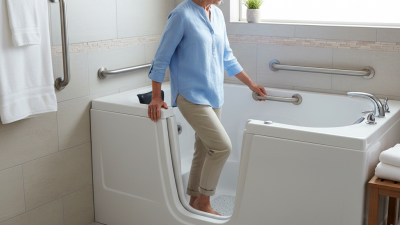
A walk-in tub with jets combines a low-entry door with a built-in water or air circulation system. You open the door, step over the threshold, and sit before filling the tub. The door seals shut. Once the water reaches the required level, a pump draws it through an intake and sends it back through small jets.
These directed streams massage the body; air-jet systems instead release bubbles through openings in the tub floor or sides. Some models use both types.
Controls let you start or stop the jets and adjust their strength, though settings vary by tub. The system needs enough water to cover its jets, so users generally fill the tub while seated and drain it before opening the door. Then the pump starts.
Water may take longer to empty than expected, and you’ll need to remain seated until it has drained. That part can feel awkward.
Look for reachable controls, a textured floor, and sturdy grab bars, and follow the manufacturer’s cleaning instructions to reduce residue in the pipes. Jets can add comfort, but they do not replace safe entry, stable seating, or advice from a healthcare professional when mobility or circulation is a concern.
Accessibility Features and Everyday Use
A walk-in tub can make bathing less demanding by replacing a high step-over with a low-entry door and built-in seat. Look for easy-to-reach controls, a slip-resistant floor, and grab bars positioned for your height and reach. Jets may add comfort, but they do not improve access by themselves. A seated test can reveal awkward controls or a slippery-feeling transfer area. Small details matter.
The AARP 2024 Home and Community Preferences Survey found that 75% of adults aged 50 and older want to remain in their homes as they age. A more accessible bathroom can support that goal, though one fixture cannot make an entire home accessible. The CDC reports that roughly one in four U.S. adults aged 65 and older falls each year. That risk deserves attention. Check the seat height, door clearance, and whether the entry works with your balance or mobility aid. Also ask how long the tub takes to fill and drain; waiting in the bath while water cools can be uncomfortable. Jets need cleaning, too, and maintenance is easy to underestimate. Sources: AARP, 2024 Home and Community Preferences Survey; CDC, “About Older Adult Fall Prevention.”
Potential Benefits of Hydrotherapy and Massage
Warm water can make a stiff morning feel less demanding. Buoyancy supports part of the body’s weight, while gentle jets create a kneading sensation across the back or calves. These effects may help some people relax and move more comfortably, but a home tub is not a medical treatment.
A Cochrane review by Bartels and colleagues examined 13 trials involving 1,190 people with hip or knee osteoarthritis. It found that aquatic exercise produced small short-term improvements: pain and disability each improved by about 5 points on a 100-point scale. The findings support water-based activity, not a claim that jets alone deliver the same results. That distinction matters. A tub can feel soothing, yet the evidence for massage jets is less direct.
Consider the practical details, too. Sit with your shoulders comfortably above the water, use a steady handhold, and keep sessions brief if heat makes you light-headed. Warmth may ease tension, but it can also leave some people feeling faint. If you have a heart or circulation condition, ask a healthcare professional whether hot-water immersion is appropriate. And honestly, the most relaxing jet setting may still feel too strong on a tender joint.
Why Choose Walk In Tubs With Jets? - Potential Benefits of Hydrotherapy and Massage
| Feature |
Potential Benefit |
How It May Help |
Practical Consideration |
| Warm-water immersion |
May encourage relaxation and temporarily ease feelings of stiffness. |
Warm water can feel soothing and may help relax tense muscles; individual responses vary. |
Choose a comfortable temperature. People with conditions affected by heat should ask a healthcare professional for guidance. |
| Water buoyancy |
Can make movement in the water feel less weight-bearing. |
Buoyancy supports part of the body's weight while immersed, which may make gentle movement feel more comfortable. |
A bath is not a substitute for prescribed exercise or physical therapy. |
| Adjustable water jets |
Offer a customizable water-massage experience. |
Directed water flow can provide a sensation of pressure or massage in selected areas and may feel relaxing. |
Jet intensity and placement differ by tub. Start gently and stop if the sensation is uncomfortable. |
| Built-in seat and walk-in door |
May make bathing more accessible for some people who find stepping over a high tub wall difficult. |
A seated bathing position and low-entry design can change how a user gets into and uses the tub. |
Entry still involves movement, and the floor may be slippery. Check the seat, door, grab-bar layout, and access needs in person. |
| Personalized bathing routine |
Can provide a convenient setting for a regular, relaxing bath at home. |
The user can adjust water temperature, jet settings, and bathing time to personal comfort. |
A walk-in tub must be filled and drained while the user is inside; consider wait time, controls, and ease of operation. |
| Hydrotherapy jets and upkeep |
Jets add a massage feature but also require routine care. |
Water circulates through the jet system, so following the manufacturer's cleaning and maintenance instructions helps keep it in good condition. |
Compare cleaning requirements, installation needs, and ongoing maintenance before choosing a model. |
Note: Benefits are potential comfort benefits, not guaranteed medical outcomes. Consult a healthcare professional if you have concerns about warm-water bathing or water-jet massage.
Jet Types, Controls, and Safety Features
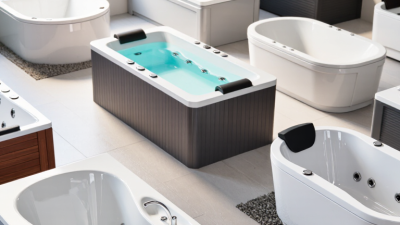
Walk-in tubs with jets can make bathing feel more relaxing, but jet type affects the experience. Water jets push streams through side openings and create a stronger, more focused massage. Air jets release fine bubbles across the tub floor, giving a gentler sensation. Some models combine both. Try to compare noise, cleaning needs, and control access—not just the number of jets.
Controls should be reachable from a seated position, even when the tub is full. Look for clearly marked buttons and adjustable intensity, so users can start gently and change settings without leaning. A simple control panel matters. Wet fingers and small labels are a frustrating combination. Ask how the system drains and dries after use, since standing water in the plumbing may require extra maintenance.
Safety features deserve equal attention. A low-entry door, slip-resistant floor, sturdy grab bars, and a well-placed seat can make getting in and out more manageable. Still, a grab bar is only useful if it is installed securely and positioned for the person using it. Check that the door seals properly and that the controls can stop the jets quickly. Installation details vary, so confirm requirements with a qualified installer and follow the tub’s care instructions. I would not assume every “safety” feature suits every household; measure the bathroom and consider the user’s balance and mobility before choosing.
Choosing a Tub for Your Space and Needs
Start with the bathroom, not the feature list. Measure the available floor area, doorway, and route from the hall. A tub may fit the room but still be difficult to bring inside. Check door swing, nearby fixtures, and whether the floor can support the filled tub. Small details matter.
Then consider how the person will use it. Note which side they approach from and where they can comfortably reach the controls. A low step-in entry, a secure seat, and well-placed grab bars may matter more than extra jets. Jet placement also affects comfort; a strong stream aimed at a sensitive area may not feel soothing. If possible, compare the seat and controls in person. Photos can hide awkward reach distances.
Think about everyday routines, too. Walk-in tubs generally need to fill and drain before the user exits, so allow time for both. Ask how the door seal, drain, and jets are cleaned, and whether routine maintenance is manageable. It’s easy to focus on the massage setting. Less exciting, but practical. Confirm plumbing and electrical requirements with a qualified installer before choosing a model. A careful measurement can still miss something, so leave room for a professional site check.
 Skip to content