Skip to content

Reviews

How to Choose the Best Front Entry Doors for Your Home

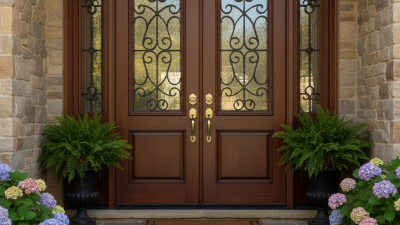
Choosing the best front entry doors begins with more than color, hardware, or curb appeal. A door must manage weather, security, comfort, and daily wear. It also shapes the first impression created by your home.

The 2024 Cost vs. Value Report found that a steel entry-door replacement recovered about 188% of its project cost at resale. That figure is useful, but it is not a promise. Regional labor prices, door condition, and installation quality can change the result. The U.S. Department of Energy also identifies weatherstripping, caulking, and proper sealing as practical ways to reduce air leakage around exterior openings. Small gaps matter. Cold drafts often reveal them first.

Building-science expert Joe Lstiburek offers a blunt rule: “Water management is the most important thing.” His point applies directly to front entry doors. A beautiful slab can still fail when the sill, flashing, or threshold allows water inside. The National Association of Home Builders’ buyer-preference research also continues to show strong interest in attractive, functional exterior features, including welcoming entry areas.

Look closely at the frame, hinges, sweep, glass, and lock system. Fiberglass may resist dents and moisture, while steel can provide strong security and value. Wood offers warmth, but it demands disciplined maintenance. None is perfect.

I would not choose from photographs alone. Stand near the threshold. Feel the draft. Check how firmly the latch engages. The best front entry doors balance appearance with measurable performance, careful installation, and realistic maintenance expectations.
How to Choose the Best Front Entry Doors for Your Home

Understanding Front Entry Door Types and Their Core Functions

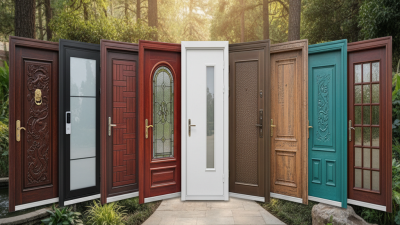
Choosing a front entry door starts with understanding its type and daily function. Solid wood doors offer warmth, weight, and natural character, but they need regular sealing to resist moisture. Steel doors provide strong security and usually cost less, though scratches can expose metal to rust. Fiberglass doors resist warping and imitate wood grain with less maintenance. Glass-panel doors bring daylight inside, but privacy and heat control require careful glass selection.

A front door must also manage weather, energy, safety, and movement. Check the frame, hinges, locks, weatherstripping, and threshold together. A beautiful slab cannot perform well if air enters around the edges. Look for insulated cores and suitable energy ratings for your climate. Frosted or textured glass can soften visibility, while laminated glass may improve security. I once focused too much on appearance and overlooked the threshold height. It made carrying furniture harder. That small mistake changed my installation checklist.

Tips: Measure the rough opening, not only the existing door. Open and close the door several times before finalizing hardware. Test the handle with wet or gloved hands. Consider morning sunlight, porch lighting, and rain direction. If your entry faces heavy wind, choose reinforced hinges and reliable weather seals. Do not assume the most expensive material is best. Your climate, maintenance habits, and household traffic matter more. Ask a qualified installer to inspect the frame before ordering.

Assessing Your Home’s Style, Climate, Security, and Entryway Dimensions

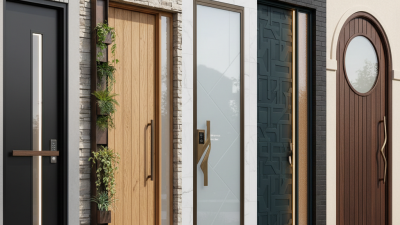
Choosing a front entry door starts with your home’s character. A narrow craftsman porch may suit a simple wood-look door with divided glass. A modern facade often benefits from clean lines and limited decoration. Match the door’s color with fixed features, such as brick, roof trim, or stone steps. I once focused too heavily on appearance and overlooked the porch’s strong afternoon sun. That mistake made the entry feel hotter than expected.

Climate should guide more than the surface finish. In wet areas, use a well-sealed door, a sloped threshold, and durable weatherstripping. Cold regions need insulated cores and careful perimeter sealing. Coastal air can damage unsuitable hardware surprisingly quickly. Check the entry’s exposure to wind, rain, snow, and direct sunlight. Local building requirements may also specify wind resistance, glazing, or emergency access details. A qualified installer can verify those conditions.

Security depends on the complete entry system, not only the door slab. Look for a strong frame, protected hinges, a quality deadbolt, and reinforced strike areas. Laminated or limited glass can reduce easy breakage near the lock. Measure the opening at the top, middle, and bottom. Record width, height, jamb depth, threshold height, and swing clearance. Furniture, steps, and nearby walls can interfere with operation. Small errors matter. My own measurements have been wrong before, so checking twice is sensible. No checklist is perfect.

How to Choose the Best Front Entry Doors for Your Home - Assessing Your Home’s Style, Climate, Security, and Entryway Dimensions

Use this comparison as a planning guide. Local building codes, manufacturer specifications, and professional installation requirements should be verified before purchase.
Assessment Area What to Check Useful Data or Standard Recommended Door Characteristics Priority
Architectural Style Exterior materials, roofline, window proportions, trim, and existing hardware Traditional homes often suit panel or wood-look designs; modern homes commonly use clean lines, flush surfaces, and larger glass areas. Choose a door finish, panel layout, and glazing pattern that repeats at least one visible exterior detail. High
Door Slab Width Width of the existing slab or rough opening Common single-door slab widths are approximately 30, 32, a34, and 36 inches; the rough opening is larger than the slab. Match the replacement slab to the existing frame when possible. Confirm the rough-opening dimensions before ordering. High
Door Height Slab height, frame height, headroom, and threshold clearance A standard exterior door is commonly 80 inches high. Taller 84- or 96-inch units may require a modified opening. Measure from the finished floor to the top of the opening at multiple points. Allow for flooring and threshold conditions. High
Entryway Depth Available landing space inside and outside the door A door needs enough clear space to swing without striking walls, furniture, steps, or railings. Local accessibility rules may require additional maneuvering clearance. Consider an inswing or outswing configuration based on the landing, hallway, stairs, and local code requirements. High
Door Swing and Handing Hinge side, latch side, swing direction, and nearby obstructions Handing is determined by the hinge position when viewed from the approach side. The correct selection depends on the actual installation orientation. Open the existing door and map its arc on the floor. Confirm handing with the installer before purchasing a pre-hung unit. High
Cold Climate Winter temperatures, wind exposure, heating costs, and condensation risk Look for a low U-factor, insulated core, compression weatherstripping, and a thermally improved frame and threshold. Insulated steel or fiberglass doors generally provide more consistent thermal performance than non-insulated solid wood doors. High
Hot or Sunny Climate Direct sunlight, ultraviolet exposure, humidity, and cooling loads South- or west-facing entries may experience substantial solar heat and finish fading, especially with large areas of glass. Consider a durable exterior finish, solar-control glazing, a shaded overhang, and weather-resistant sealants. High
Wet or Humid Climate Rain, coastal air, standing water, and moisture around the sill Water management depends on a sloped sill, sill pan or equivalent flashing, continuous weatherstripping, and properly sealed joints. Fiberglass or well-protected steel can reduce routine moisture-related maintenance. Protect wood with a complete finish on all exposed surfaces. High
Wind and Storm Exposure Local wind zone, storm frequency, exposure, and nearby overhangs Some locations require tested assemblies for wind pressure or impact resistance. Requirements vary by jurisdiction. Use a code-approved assembly when required, including the frame, hinges, lock hardware, glazing, and anchoring—not only the door slab. High
Security Strike plate, frame strength, hinge protection, lock quality, and glass placement Security is determined by the complete door assembly and installation. A reinforced frame and long structural fasteners can improve resistance to forced entry. Select a solid or reinforced door, a properly secured strike area, quality deadbolt hardware, and laminated or properly protected glass where appropriate. High
Glazing and Privacy Glass area, visibility, daylight needs, and breakage exposure Clear glass provides the most daylight but the least privacy. Obscure, textured, or frosted glass limits visibility while admitting light. For sidelights or door panels near the lock, consider privacy glazing and safety-rated glass that is suitable for the location. Medium
Material Selection Maintenance expectations, appearance, insulation, and budget Wood offers natural appearance but needs periodic finish maintenance. Fiberglass resists many dents and moisture effects. Steel is strong and often economical but can dent or corrode if damaged. Choose the material according to exposure and maintenance capacity rather than appearance alone. High
Energy Performance U-factor, air leakage, weatherstripping, threshold, and installation quality Lower U-factor indicates better resistance to heat transfer. Air leakage ratings and a continuous seal are also important. Compare complete door-system ratings where available and prioritize accurate shimming, insulation, flashing, and perimeter sealing. High
Threshold and Drainage Threshold height, sill slope, exterior landing, and water runoff The sill should direct water away from the building. The threshold must work with the finished floor height and local accessibility requirements. Use compatible sill components and maintain a positive exterior slope. Avoid blocking drainage paths with caulk or landscaping. High
Maintenance Requirements Cleaning, repainting, lubrication, seal replacement, and finish inspection Inspect weatherstripping and exterior finishes at least annually, and inspect more often in severe sun, rain, snow, or coastal conditions. Select factory-finished or low-maintenance surfaces when regular refinishing is difficult, while still checking seals and hardware. Medium
Measurement reminder: Record the width and height at the top, middle, and bottom of the opening, plus jamb depth, diagonal measurements, threshold height, and the location of utilities or structural framing. Differences between measurements may indicate a non-square opening that requires adjustment during installation.

Comparing Door Materials, Insulation, Durability, and Maintenance Needs

Choosing the best front entry door starts with materials, insulation, durability, and maintenance.

Steel doors offer strong security and usually resist daily impacts. However, dents can be difficult to repair neatly.

Fiberglass handles moisture well and can imitate wood grain without frequent repainting.

Wood provides warmth and character, but it needs regular sealing, especially around the lower edge.

Insulation deserves close attention. A solid-looking door can still leak heat through its frame, glass, or worn weatherstripping.

Ask for the door’s U-factor and inspect the thermal break in the frame. Lower U-factor values generally indicate better insulation.

Installation matters just as much. A small gap near the threshold can create a cold draft across the floor. Feel the edge on a windy day.

Durability depends on exposure.

Coastal air, strong sunlight, and heavy rain test different materials. Check hinges, drainage paths, corner joints, and the threshold before deciding. Look closely.

A qualified installer should measure the opening accurately and follow the manufacturer’s installation instructions.

Read the maintenance requirements, not only the warranty language.

I once preferred a natural wood door for its appearance, then underestimated its upkeep after two wet seasons. That experience changed my priorities.

The most attractive door may become frustrating if its finish needs attention every year. Choose a surface you can realistically clean, inspect, and repair.

Selecting Glass, Hardware, Locks, Colors, and Other Design Features

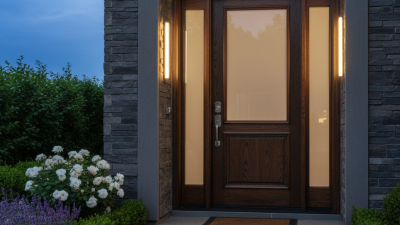
Choosing a front entry door starts with how your home feels and functions. Glass can brighten a dim hallway, but clear panels may reduce privacy at night. Frosted or textured glass offers softer light and a more sheltered view. Ask an experienced installer to check the opening before ordering. Small measurement errors can cause drafts, uneven gaps, and expensive adjustments. I once underestimated afternoon glare; a sample panel would have revealed the problem.

Select a lever or pull that feels comfortable with one hand. Solid metal usually feels steadier than lightweight hardware, though finish quality matters too. For locks, choose a certified product suited to your door material and local building requirements. A deadbolt should operate smoothly without forcing the key. Consider reinforced strike plates and long screws where appropriate. Dark colors create contrast, while warm neutrals hide dust better. Bold colors can make an entrance memorable, yet they may demand more upkeep. Weather, sunlight, and nearby landscaping will slowly change the appearance.

Tips: View color samples outdoors, morning and evening. Test the handle with wet or gloved hands. Stand inside and inspect reflected light. Do not judge glass from a catalog image alone. Keep the threshold level, sealed, and easy to clean. If security and style conflict, rethink the design rather than choosing quickly. I still prefer practical details, but aesthetics deserve room; a door should welcome guests, not only resist weather.

Planning Measurements, Installation, Budget, and Long-Term Door Care

Choosing a front entry door starts with accurate planning, not showroom appeal. Measure the existing slab, jamb depth, and rough opening in three places. Record the smallest width and height. Floors rarely stay perfectly level. Leave clearance for the threshold and weatherstripping. A two-person check prevents expensive ordering mistakes.

Installation quality controls comfort and security. The U.S. Department of Energy identifies air leakage as a major source of household energy waste, so sealing the frame matters. Use backer rod, compatible sealant, and low-expansion foam around the opening. Do not pack foam tightly. It can bow the jamb and create a stubborn latch problem. The National Fenestration Rating Council recommends comparing certified U-factor and solar heat gain values when evaluating door performance. Local climate should guide that decision.

Set a realistic budget for the door, hardware, removal, trim repair, and painting. The 2024 Cost vs. Value Report from Zonda reported strong resale recovery for steel entry-door replacement, but regional results vary. That figure should not become a promise. I would reserve 10–15% for hidden damage, especially around older thresholds. Each spring, inspect the sweep, hinges, finish, and sealant. Clean gently with mild soap. Refinish before bare material remains exposed. A small draft today is easy to ignore. Later, it may signal movement, moisture, or failed weatherstripping.

How to Choose the Best Front Entry Door

Common U.S. front-door sizes are shown below. A rough opening is typically planned slightly larger than the door slab to allow for shimming, leveling, and insulation. Always confirm the manufacturer’s specifications before ordering.

Standard nominal door widths commonly include 30, 32, and 36 inches, with 80 inches being a widely used nominal height. Installation costs vary by structural changes, weatherproofing, hardware, and labor rates. For long-term care, inspect weatherstripping and exterior finishes at least annually, and follow the door material’s maintenance requirements.