Serving Minnesota & Iowa for over 25 years
Choosing walk in bathtubs for seniors is not simply a matter of comparing prices, doors, and massage jets. It is a safety decision shaped by mobility, balance, bathroom layout, and daily routines. A suitable tub should make entry feel calm, not like a risky maneuver. The threshold should be low, the seat should feel stable, and the controls should remain reachable from a seated position.
Aging-in-place design expert Mary Jo Peterson emphasizes, “Good design supports independence without announcing disability.” That principle fits this purchase well. The best walk in bathtubs for seniors should support private bathing while preserving confidence and dignity. Look for textured flooring, a wide door, reliable grab bars, and an easy-to-use handheld shower. Door placement also matters. A beautiful tub can still fail if the bathroom door blocks access or the user cannot transfer safely.
Real households reveal details that product pages often miss. Water may take several minutes to drain. A tall seat may feel uncomfortable for someone with short legs. A loud pump can disturb a sleeping partner. These issues deserve attention. No model is perfect.
This guide examines essential features, installation concerns, user comfort, and long-term value. It also questions common marketing claims. A walk-in tub can reduce certain bathing risks, but it cannot replace careful assessment by a qualified professional. Before choosing, measure the space, discuss mobility needs, and consider who will provide assistance if problems arise. Safety should feel practical, dependable, and quietly built into every bath.
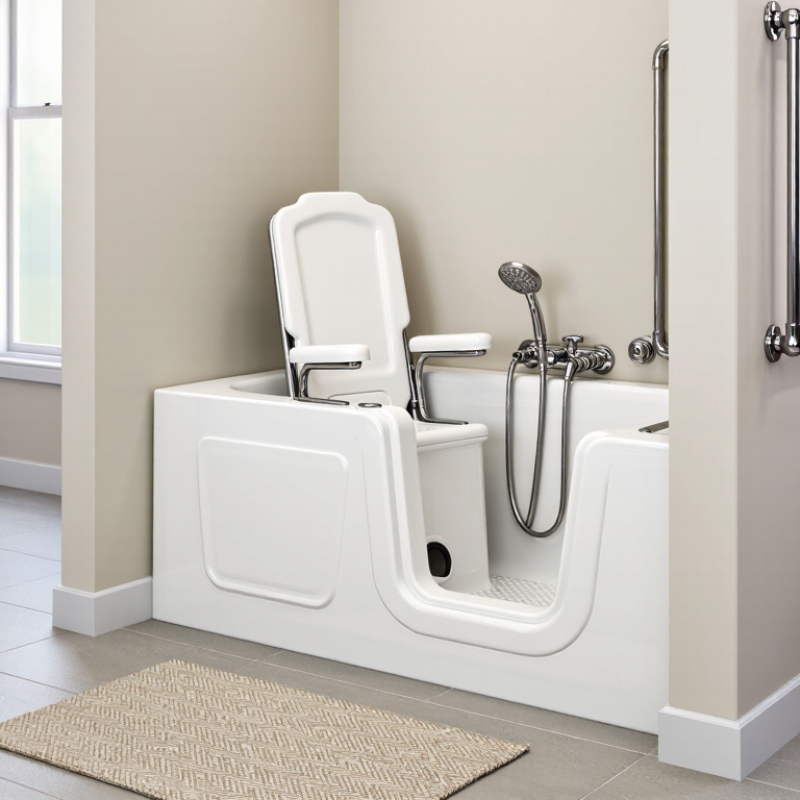
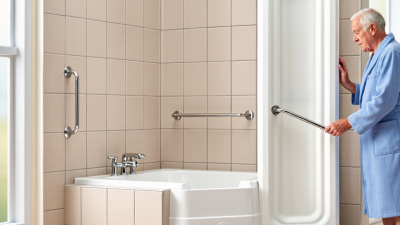
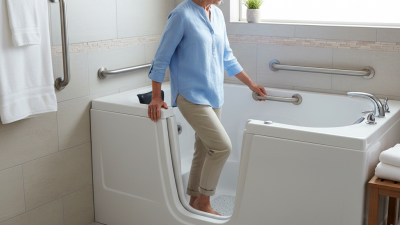
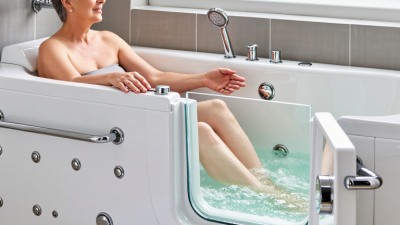
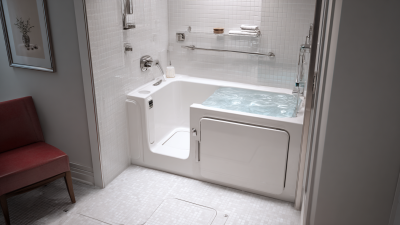
A walk-in bathtub has a watertight door that lets users enter without climbing over a high wall. It usually includes a built-in seat, handrails, and a handheld shower. These features can reduce bending and help seniors with limited balance. Safety matters most. A low entry threshold and textured floor are practical details, not decorations.
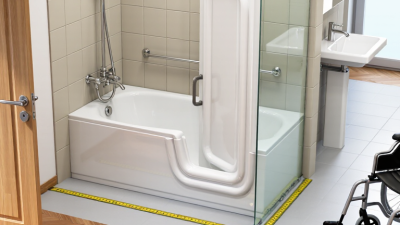
When comparing models, measure the bathroom doorway, floor space, and plumbing position. A tub may fit the room but still block a cabinet or wheelchair path. Check the seat height, door swing, drain speed, and temperature controls. A fast drain can prevent chilling after bathing, especially for users with reduced circulation. Anti-scald protection is also valuable, but it should not replace careful supervision.
Comfort depends on the person. A wide seat may feel secure, yet a tall user could find the legroom cramped. An inward-opening door saves space, while an outward-opening door may be easier during an emergency. The choice is not always obvious. Ask an experienced installer or occupational therapist to assess transfers and bathroom movement. Read the maintenance instructions carefully, and confirm that the home water heater can fill the tub adequately. Small oversights often become daily frustrations.
How to Choose Walk In Bathtubs for Seniors?
Assessing Safety, Mobility, and Accessibility Needs
Choosing a walk-in bathtub for a senior starts with the person, not the bathroom. Observe how they enter, turn, sit, and stand during a normal day. A low step-in threshold can reduce leg lifting. A wide door may help someone using a walker. Non-slip flooring, sturdy grab bars, and a supportive seat are essential. Small details matter.
Measure the bathroom doorway, floor space, and distance from the toilet. The user should have enough room to approach the tub without twisting sharply. Seat height should support a controlled transfer, especially for weak knees or limited balance. People with reduced hand strength may struggle with small locks or stiff controls. Test every handle and lever before choosing. An occupational therapist can assess transfers, while a qualified installer can check drainage, electrical safety, and local requirements.
One detail is easy to underestimate: waiting for the tub to drain. Someone who feels cold or unsteady may rush the exit. Ask about fill and drain times, emergency door release, and water temperature controls. A caregiver should also reach the controls easily. In real homes, a beautiful tub can still feel cramped or difficult to clean. No checklist is perfect. Personal testing may reveal a problem that measurements miss. Fit beats novelty.
Falls are a major safety concern for older adults in the United States. When evaluating a walk-in bathtub, prioritize a low-entry threshold, a stable built-in seat, easy-to-reach controls, secure grab bars, and sufficient space for assisted transfers. The figures shown are rounded 2021 U.S. estimates reported by the Centers for Disease Control and Prevention.
Source: U.S. Centers for Disease Control and Prevention, Older Adult Falls
Walk-in tub selection should begin with the user’s movement, not the tub’s appearance.
The CDC reports that over 14 million older adults experience a fall each year. That risk makes entry height a practical safety measurement.
Low-threshold designs usually reduce leg lifting, but the safest height depends on balance, footwear, and available support. Measure the bathroom floor, not only the advertised threshold.
Tub design also changes transfer difficulty. A seated model suits users who struggle to lower themselves. A longer soaking design may feel comfortable, but it can demand a wider step and more controlled movement.
Door direction deserves close attention. An outward-opening door can support emergency access, yet it needs clear floor space. An inward-opening door saves space, but pressure inside the tub may make opening difficult. It is a compromise.
Check the seat height against the user’s knee level. A seat that is too low can make standing harder. A seat that is too high may leave the feet unstable.
AARP’s 2021 Home and Community Preferences Survey found that 77% of adults aged 50 and older want to remain in their current home.
That preference makes installation details important. A professional assessment should include grab-bar reach, drain time, lighting, and door clearance.
Small oversights happen. A beautiful tub can still be awkward if the user cannot safely turn, sit, or exit.
Choosing a walk-in bathtub starts with the bathroom, not the catalog. Measure the doorway, turning space, drain position, and floor access. A licensed installer should check subfloor strength, water lines, electrical grounding, and emergency shutoff access. The CDC reports that one in four adults aged 65 and older falls each year. A low threshold, stable seat, textured floor, and reachable grab bars can reduce daily hazards. They cannot replace careful supervision or good lighting.
Tips: Sit inside before buying. Check whether your hips fit comfortably. Test the door handle with wet hands. Confirm that the seat supports standing without twisting. Ask for a written installation plan and drainage time. A rushed drain cycle may leave an older user chilled or impatient. I would not trust a showroom demonstration alone; real comfort appears after several minutes.
Comfort also depends on temperature control and entry effort. The National Institute on Aging recommends grab bars and safer bathing arrangements for older adults, but placement must match the user’s height and mobility. Maintenance deserves equal attention. Inspect door seals, drains, handrails, and anti-slip surfaces monthly. Clean according to the manufacturer’s instructions, and keep harsh chemicals away from seals. AARP’s 2021 Home and Community Preferences Survey found that 77% of adults aged 50 and older want to remain in their current homes. That preference makes repair access important. If a pump, seal, or faucet fails, technicians should reach it without removing finished walls. Some households overlook this detail. It can become expensive later.
| Evaluation Area | What to Check | Practical Benchmark | Why It Matters for Seniors | Potential Concern |
|---|---|---|---|---|
| Bathroom Access | Measure the bathroom doorway, hallway, and turning space before delivery. | Record the narrowest opening and compare it with the tub’s packaged delivery dimensions. | Large tubs may not pass through existing doors or tight corridors without removing a door or trim. | Do not rely only on the bathtub’s finished dimensions; packaging can be wider and taller. |
| Floor Structure | Confirm that the floor can support the tub, water, and occupant. | Have a qualified contractor assess the structure, especially for second-floor bathrooms. | A filled tub can weigh substantially more than an empty tub because water weighs about 8.34 lb per U.S. gallon. | Structural requirements vary with tub size, water capacity, and the building’s construction. |
| Plumbing Connections | Check hot and cold water supply lines, drain location, shut-off valves, and waste connections. | Confirm that the existing plumbing can support the tub’s required flow and drainage rate. | Insufficient water flow or slow drainage can lengthen filling and emptying times. | A new drain or relocated supply lines may require professional plumbing work. |
| Electrical Requirements | Identify whether the tub includes powered pumps, heated seats, lights, or other electrical features. | Use a properly grounded, code-compliant circuit installed and inspected by a qualified electrician. | Correct electrical installation helps reduce shock and equipment risks in a wet environment. | Never use an extension cord or place electrical connections where they can be splashed. |
| Entry Threshold | Compare the step-in height with the user’s balance, leg strength, and mobility. | Choose the lowest practical threshold that still provides a secure, watertight door design. | A lower step-in height reduces the need to lift the feet and may lower trip risk. | Threshold height alone does not eliminate falls; stable hand support and careful transfers remain important. |
| Door Design | Consider door swing direction, opening width, seal placement, and ease of operation. | The door should be easy to reach and operate without excessive grip strength or twisting. | A suitable door can make entry and exit more manageable for users with limited dexterity. | Outward-opening doors may need sufficient clearance and may require specific safety-release features. |
| Seat Height | Evaluate the seat height, depth, width, and transfer position. | Select a seat that allows the user to sit upright with feet supported and knees at a comfortable angle. | A stable seated position can make transfers easier and reduce the need to lower into a deep tub. | A seat that is too low or too deep may be difficult to stand from. |
| Hand Support | Check the location and grip shape of grab bars and built-in handles. | Handholds should be firmly anchored, easy to grasp, and positioned for entry, seating, and exit. | Well-positioned support can improve balance during wet transfers. | Towel bars and movable accessories should not be treated as grab bars unless specifically designed and securely installed for that purpose. |
| Tub Surface | Inspect the floor and seat for slip resistance when wet. | Choose a surface intended for wet-area use and verify that it is comfortable for bare skin. | Slip-resistant surfaces can help reduce sliding while entering, sitting, or standing. | Textured surfaces may be harder to clean, so balance traction with maintenance needs. |
| Water Temperature | Look for accessible temperature controls and, where appropriate, an anti-scald device. | Set the water heater and bathing controls according to local plumbing codes and medical advice. | Older adults may be more vulnerable to burns or may have reduced sensitivity to temperature. | Test the water before entry and avoid relying on touch alone when sensation is reduced. |
| Filling and Draining | Estimate the time needed to fill and empty the tub under normal household water pressure. | Choose a model whose fill and drain times fit the user’s ability to remain seated comfortably. | Walk-in tubs generally require the door to remain closed while filling and draining. | Long drain times may cause discomfort or increase the risk of chilling after bathing. |
| Cleaning Access | Check smoothness, seams, corners, seat gaps, jets, and access to the door seal. | Prefer readily accessible surfaces that can be wiped and rinsed without excessive bending. | Easy-clean designs reduce physical strain and help maintain hygiene. | Hidden channels, jets, and narrow crevices may require additional cleaning steps. |
| Routine Maintenance | Review cleaning instructions, filter care, jet flushing, seal inspection, and descaling needs. | Choose a maintenance schedule that the user or caregiver can realistically follow. | Regular care helps control residue, odors, mineral buildup, and premature seal wear. | Hard-water areas may require more frequent descaling, using only products approved for the tub surface and components. |
| Caregiver Use | Assess whether another person can safely assist with transfers, controls, and cleaning. | Leave adequate working space beside the tub and keep controls visible and reachable. | Proper space and control placement can make assisted bathing safer and less physically demanding. | Crowded layouts may limit emergency assistance or make wheelchair and walker transfers difficult. |
| Warranty and Service | Review coverage for the shell, door seal, pumps, controls, and installation-related components. | Keep written installation, maintenance, and service information in an accessible location. | Clear documentation helps caregivers arrange repairs and preserve required maintenance records. | Coverage may exclude improper installation, unsuitable cleaners, or normal seal wear. |
Note: Dimensions, electrical requirements, water capacity, and installation procedures vary by model and bathroom. Confirm specifications with the installation manual and consult qualified plumbing, electrical, and building professionals before purchase.
When choosing a walk-in bathtub for a senior, compare the complete project cost, not only the displayed tub price. Installation may require plumbing changes, electrical work, floor reinforcement, or door clearance adjustments. Ask for a written estimate covering removal, delivery, labor, permits, and cleanup. Hidden costs matter.
A lower-priced model can become expensive after repeated repairs. In bathroom assessments, I have seen small leaks damage flooring when installers rushed the sealing work. That experience changed how I review warranties. Check whether coverage includes parts, labor, leaks, the door seal, and the bathtub frame. Confirm the warranty period, service response time, exclusions, and transfer rules. Get these details in writing. Verbal promises are weak.
Long-term value also depends on safe daily use. Look for an inward- or outward-opening door that suits the bathroom layout, a textured seat, reachable controls, and simple cleaning surfaces. A fast-draining system may reduce waiting, but it can increase purchase and maintenance costs. Water and heating expenses deserve attention, especially for frequent bathing. A reliable installation may matter more than attractive extras. I sometimes overvalue advanced features, then question whether they truly help an older user. Consider future mobility changes, caregiver access, and available repair services. A product that remains usable after a minor health decline can protect independence and reduce renovation pressure later.