Skip to content

Reviews

How to Choose the Best Walk in Tub for Your Home

Choosing the best walk in tub is not simply a matter of selecting the deepest model. It is a practical decision involving safety, comfort, bathroom space, and long-term maintenance. A tub that looks impressive online may feel cramped, difficult to enter, or unsuitable for your plumbing system. Small details matter. Door direction matters. Seat height matters.

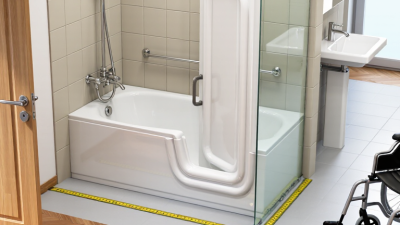
A careful choice begins with accurate measurements. Check the bathroom doorway, available floor space, drain position, and water-heater capacity. Leave enough room for safe movement around the tub. A licensed installer should confirm whether the floor can support the filled unit. This step is easy to overlook. It should not be.

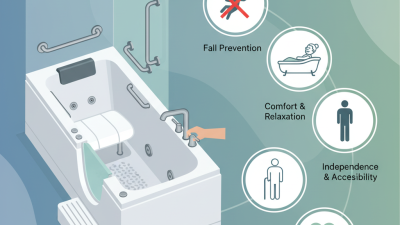
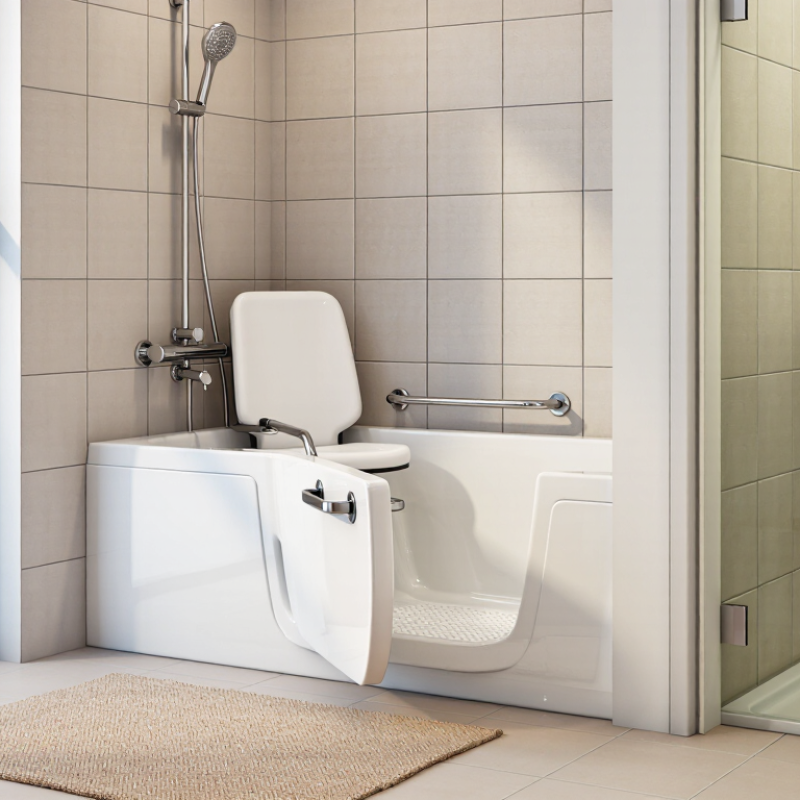
Think about daily use, not showroom appeal. A low-threshold entrance, textured flooring, secure grab bars, and a comfortable seat can reduce unnecessary strain. Outward-opening doors may help during emergencies, while inward-opening doors often require more clearance inside. Ask how quickly the tub drains. Waiting in cold water is unpleasant.

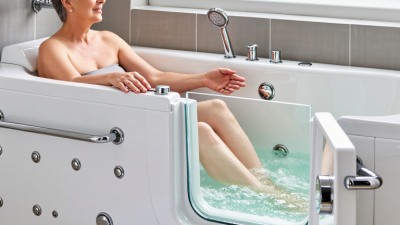
Features can become distractions. Air jets, hydrotherapy, heated seats, and chromotherapy may improve relaxation, but they also add cleaning and repair needs. Warranty coverage, replacement parts, and installer experience deserve equal attention. Speak with an occupational therapist if mobility limitations affect your routine. Their advice may reveal problems a salesperson misses.

There is no perfect model for every home. I might prefer a compact tub in one bathroom, then choose a wider model after testing the seat and controls. That uncertainty is useful. It encourages careful comparison, honest questions, and a decision based on real life rather than attractive advertising.
How to Choose the Best Walk in Tub for Your Home

Assess Your Mobility, Safety, and Bathing Needs

Choosing the best walk-in tub begins with an honest assessment of mobility, not appearance. Can you lift each leg safely? Can you turn without losing balance? Do you use a cane, walker, or another person’s support? The CDC reports that more than one in four adults aged 65 and older falls each year. A wet bathroom can make that risk worse.

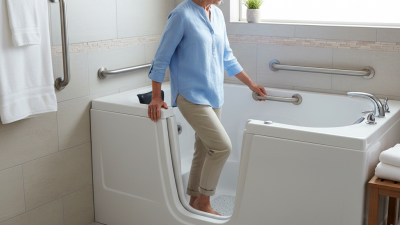
Watch the transfer process. The tub door should open toward a clear, level entry area. The seat should support your hips without forcing your knees too high. Look for sturdy grab bars, a handheld shower, textured flooring, and controls within easy reach. Avoid relying on suction grab bars. They may shift when heavily loaded. The World Health Organization reports about 684,000 fatal falls globally each year, with adults over 60 facing the highest risk. These figures do not measure everyday near-falls, which still deserve attention.

Your bathing needs matter too. A deep soaking design may feel comforting, but filling and draining can take several minutes. Could you remain seated comfortably during that wait? Test the seat height and door access before purchase, if possible. An occupational therapist can observe your movement and identify overlooked hazards. My own assessment would not stop at the showroom; towels, poor lighting, and a raised threshold can change the experience at home. Recheck the bathroom layout after installation. Small details matter.

Sources: Centers for Disease Control and Prevention, STEADI; World Health Organization, Falls fact sheet.

Measure Your Bathroom Space and Installation Requirements

Choosing the best walk-in tub starts with measuring your bathroom accurately. Measure the room’s length, width, and ceiling height. Record the doorway width, including the frame and trim. A tub may fit the open space but fail to pass through the entrance. Check nearby cabinets, toilets, and walls for possible interference. Leave enough clearance for opening the tub door and assisting the user safely.

Measure the existing tub or shower area from wall to wall. Note the drain location, water supply lines, and floor condition. Walk-in tubs are often deeper and heavier than standard fixtures.

Confirm that the floor can support the filled tub and occupant. The water heater also needs enough capacity for a comfortable bath. A qualified installer should inspect these requirements before purchase. Local plumbing and electrical rules may affect the installation plan.

Do not rely on a single measurement. Small errors matter. Use a rigid tape measure, and record each dimension twice. Photograph hidden corners and pipe connections before removing anything. In practice, bathroom walls are not always square, and older floors may slope slightly. That detail can change the final fit. A professional site assessment adds reliability, especially when plumbing must move or electrical protection is required. Allow space for future maintenance, too. A tight installation may look neat but become difficult to repair.

Compare Walk-In Tub Types, Features, and Accessibility Options

How to Choose the Best Walk in Tub for Your Home

Compare Walk-In Tub Types, Features, and Accessibility Options

A walk-in tub should match your mobility, bathroom layout, and bathing routine. Soaker tubs offer simple, quiet bathing without powered water or air jets. Air tubs create gentle bubbles, while whirlpool models provide stronger water massage. Combination tubs add flexibility but usually require more cleaning and electrical planning. A deep bariatric model may suit larger users, yet its footprint can challenge smaller bathrooms.

Check the door threshold, seat height, and interior width carefully. An outward-opening door can support easier entry during an emergency, but it needs clear floor space. An inward-opening door saves room, although opening it may be difficult before draining the tub. Look for a textured floor, sturdy grab bars, a handheld shower, and easy-to-reach controls. A fast-drain system can reduce waiting time, but actual performance depends on plumbing capacity.

A home assessment can reveal problems that product photos hide. Measure the doorway, turning area, and distance to the toilet. Ask a qualified installer to inspect electrical connections, floor strength, drainage, and local requirements. One common mistake is choosing the largest tub available. Bigger is not always safer. A powered seat may help some users, while others need a stable, built-in seat instead. No tub removes every fall risk. Wet transfers still demand patience, proper support, and realistic planning.

Evaluate Materials, Plumbing, Maintenance, and Energy Use

How to Choose the Best Walk in Tub for Your Home

Material affects comfort, cleaning, and long-term stability. Acrylic surfaces are usually warm and easy to wipe, while fiberglass can be lighter and less expensive. Ask for the reinforcement structure beneath the shell. A flexible floor may signal poor support. Look for textured, slip-resistant flooring, but inspect its cleaning instructions. Some aggressive textures trap soap and require extra scrubbing. Appearance can mislead.

Plumbing deserves careful attention. Measure the bathroom’s water pressure, drain path, and water-heater capacity before ordering. A 50-gallon tub can overwhelm a slow drain. Confirm the required drain diameter with a qualified plumber and local code requirements. The U.S. Environmental Protection Agency’s WaterSense criteria limit showerheads to 2.0 gallons per minute, but walk-in tubs often need much higher filling rates. Faster filling can increase hot-water demand. It is not automatically better.

Maintenance should include accessible seals, filters, jets, and emergency controls. Replaceable parts matter more than decorative panels. The U.S. Department of Energy reports that water heating uses roughly 18% of residential energy consumption. For perspective, heating 50 gallons by 40°F requires about 4.9 kilowatt-hours before pipe and tank losses. Insulation and an efficient heater can reduce waste, but actual savings depend on household habits. Published figures are not perfectly comparable. Test the tub’s fill time, drain time, and cleaning access in person. Oversights happen, even during careful remodeling.

Review Costs, Warranties, Installation Services, and Long-Term Value

How to Choose the Best Walk-in Tub for Your Home

A walk-in tub should fit your daily routine, not just your bathroom measurements. Angi’s 2024 Cost Guide places typical walk-in tub projects around $4,000 to $12,000, including installation. Older plumbing, electrical upgrades, and flooring repairs can increase that figure. Request an itemized quote. Ask whether demolition, permits, disposal, and waterproofing are included.

Warranty details deserve careful attention. A strong shell warranty may cover manufacturing defects, but labor coverage can be much shorter. Check exclusions for seals, pumps, faucets, and accidental damage. Confirm who handles service calls and whether the warranty transfers if you sell the home. The U.S. Consumer Product Safety Commission reports that millions of older adults are treated for fall injuries annually, so reliable entry, seating, and grab-bar placement matter more than decorative features. Test the door, controls, and drain time in person.

Installation quality affects long-term value. The National Association of Home Builders identifies aging-in-place remodeling as a continuing housing need, while AARP reports that 77% of adults want to remain in their current homes. Still, a walk-in tub may not recover its full cost at resale. That is easy to overlook. Choose a properly licensed installer, verify insurance, and request references for similar bathrooms. Leave room for maintenance costs, especially pump repairs and replacement seals. A cheaper quote can become expensive when the floor flexes, the drain is slow, or the door leaks. I would compare comfort after several test entries, not after one showroom visit.