Skip to content

Reviews

How to Choose a Walk In Bathtub?

Choosing a walk in bathtub is not just a matter of picking a door style or the lowest price. The right model should suit the bather’s mobility, bathroom layout, and daily routine. A low step-in threshold, secure grab bars, and a comfortable built-in seat can make bathing easier, but no single design works for everyone. Think about how the user transfers into the tub, reaches the controls, and stands or sits while water drains. Small details matter.

Measure the bathroom carefully, including doorways, plumbing locations, and the space needed to open the tub door. Check the seat height and door direction in person if possible. Some models require the user to enter before filling and remain seated while the tub drains, which can feel chilly or inconvenient. That trade-off is easy to overlook. Also ask a qualified installer about floor support, hot-water capacity, and whether the existing plumbing can handle the model. Installation costs can change the real price considerably.

Compare warranty coverage, cleaning requirements, and service availability, not just advertised features. A fast-drain system may shorten wait times, but performance varies by model and plumbing setup. If balance, transfers, or medical needs are part of the decision, ask a healthcare professional or occupational therapist for practical guidance. Their advice can help identify risks that a product page cannot. There may still be compromises. A careful fit matters more than a long feature list.
How to Choose a Walk In Bathtub?

Assess the User’s Mobility Needs and Bathroom Space

A walk-in bathtub should match the person’s actual movements, not just the features listed on a product sheet. Notice how they enter the bathroom, turn, sit, and stand. Can they lift each leg over a low threshold? Do they need a walker, a steadying hand, or room for a caregiver nearby? These small details matter. A seated transfer may feel manageable on a good day, yet become difficult when knees are stiff or balance is uncertain. If possible, ask an occupational therapist to assess the user’s transfer needs at home.

Measure the bathroom carefully before comparing tub sizes. Check the doorway width, the route from the hall, and the space beside the tub for safe transfers. Measure around the toilet and vanity, too; a tub can fit on paper and still block useful movement. Leave room for the door to open fully and for someone to assist without twisting awkwardly. Check where the controls sit, since reaching across a wet tub is not ideal. A tape measure helps, but it cannot show how the room feels in use. I would test the route with the user’s usual mobility aid, then review the measurements with a qualified installer. It may seem fussy. That extra check can reveal a problem before installation.

Compare Walk-In Tub Designs, Door Styles, and Entry Options

How to Choose a Walk In Bathtub?

Compare Walk-In Tub Designs, Door Styles, and Entry Options

A walk-in tub should fit both your bathroom and your daily routine. Measure the doorway, floor space, and distance from the tub to nearby fixtures. Then compare compact, standard, and larger designs. A wide seat may feel comfortable, but it can reduce legroom in a smaller room. Check the seat height and grab-bar placement in person when possible. Small details matter.

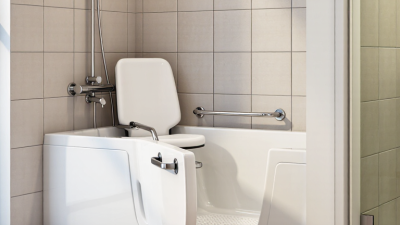
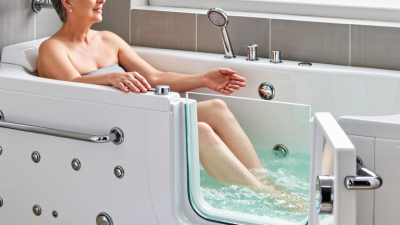
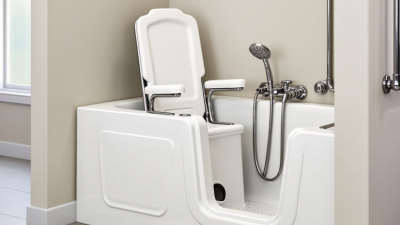
Door styles affect how you enter and exit. Inward-opening doors can work well in tight bathrooms, but they may be awkward if you need more room to turn. Outward-opening doors need clear floor space and a suitable swing path. Low-threshold entry can make stepping in easier, while a built-in seat and hand-held shower may help with bathing. No design removes every risk. Wet surfaces still require care.

Tips: Sit on a similar-height seat before choosing, and test whether you can reach the controls comfortably. Ask a qualified installer to check plumbing, drainage, and floor support; a filled tub is heavy. Also consider how long the tub takes to fill and drain. That wait can feel longer than expected on a cold morning. If possible, bring the person who will use it to the showroom. A brochure cannot show how a doorway feels in real life.

Evaluate Safety Features, Seating, and Bathing Controls

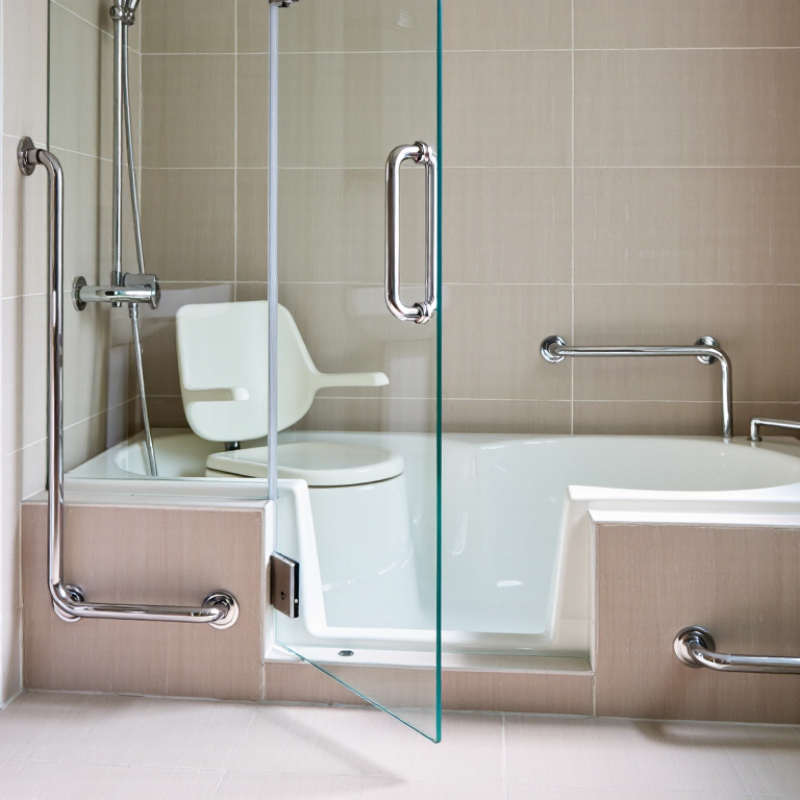
When comparing walk-in bathtubs, check how the safety features work in your own bathroom, not just in a product description. A low-entry threshold can make stepping in easier, while a textured floor may reduce slipping. Look for grab bars positioned where you can actually reach them during entry and exit. They should be designed to support body weight, not serve as towel rails. Small details matter. Check door clearance, too; a door that opens into a narrow space may complicate transfers.

Seating should feel stable and leave enough room to move your legs. Compare seat height with the height of your usual chair, since a big difference can make sitting down harder. If possible, try a similar seat before choosing. That is not always convenient, and showroom seating may not match your bathroom layout. Consider whether a caregiver needs space beside the tub, and whether a handheld shower can reach your shoulders and feet without awkward twisting.

Bathing controls should be reachable from the seated position, including the faucet, shower wand, and drain control. A temperature limiter can help reduce scald risk, but it does not replace checking the water before bathing. Ask how long the tub takes to fill and drain; waiting in a cold bathroom can be uncomfortable. Also confirm that the controls remain easy to operate with wet hands. Comfort is personal, and one feature may suit you less than expected.

Check Installation Requirements and Plumbing Compatibility

Before choosing a walk-in bathtub, measure the bathroom entry, the tub alcove, and the path from the front door. A tub may fit its space but fail to pass through a narrow hallway. Measure twice. Check the existing drain location and compare it with the tub’s drain and overflow positions. Even a small mismatch can mean extra plumbing work beneath the floor. Leave room to reach the connections later; hidden fittings are harder to inspect or repair.

Water supply matters just as much. Check whether the hot-water heater can provide enough water for the tub’s stated capacity, especially if other household members use hot water nearby. A slow fill can leave someone waiting in the tub, so ask a plumber to estimate fill time and confirm supply-line size and pressure. That detail is easy to overlook. Also have the floor’s load capacity assessed: a filled tub, its occupant, and the tub itself create substantial weight. I would not assume an older floor is adequate just because it supports a standard bathtub. Before ordering, have a qualified installer review measurements, drain access, water-heater capacity, and any needed changes. One measurement may still be off; a site visit can catch it.

How to Choose a Walk-In Bathtub: Check Installation Requirements and Plumbing Compatibility

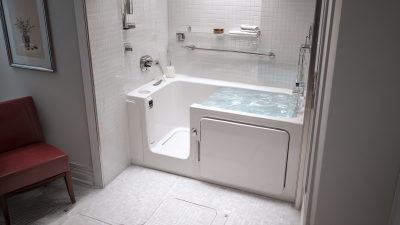
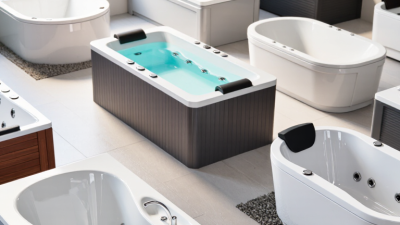
Representative bathtub footprints help you compare space requirements. Sizes vary by model; always check the manufacturer’s specifications and measure your bathroom before purchasing.

Before installation: Measure the alcove, doorway, and route into the bathroom. Confirm the tub’s drain location matches your plumbing, check hot-water capacity, and make sure the floor can support the filled tub and occupants. Ask a qualified installer to verify site-specific requirements.

Compare Total Costs, Warranties, and Maintenance Needs

A walk-in bathtub’s price is only the starting point. Compare written quotes that include removal, plumbing changes, electrical work, wall repairs, delivery, and installation. Remodeling magazine’s 2024 Cost vs. Value report estimated a midrange bathroom remodel at $25,251 nationally; that figure is useful context, not a walk-in-tub quote. AARP’s 2024 Home and Community Preferences Survey found that 75% of adults aged 50 and older want to remain in their homes as long as possible. That goal can make accessibility upgrades worthwhile, but it does not make every upgrade affordable. It is easy to underestimate the extras.

Read the warranty before choosing. Check how long the tub shell, door seal, pump, and labor are covered, and whether service calls or replacement parts cost extra. Coverage varies. Ask who handles repairs and how quickly parts can be obtained. Also consider maintenance: seals may need regular inspection, filters may need cleaning, and pumps require care according to the installation manual. A low purchase price can lose its appeal if routine upkeep is awkward or costly.

Tips: Ask each installer for an itemized, installed-price quote and a sample maintenance schedule. Confirm whether the bathroom door, hallway, and floor can accommodate delivery and installation. Take photos of the existing plumbing and ask what might trigger extra charges. Keep the warranty and care instructions together; small details are easy to forget.

How to Choose a Walk-In Bathtub? Compare Total Costs, Warranties, and Maintenance Needs

Use this comparison to shortlist tub types and questions for written quotes. Cost ranges are broad U.S. planning estimates; actual prices depend on the tub, local labor, site conditions, and required plumbing or electrical work.

Comparison factor Basic soaker Hydrotherapy tub Premium air-and-water-jet tub
Typical features Walk-in door, built-in seat, hand-held shower, and standard soaking basin. Soaking features plus water jets and a pump. Soaking features with air and water jets; may include additional controls or comfort features.
Estimated installed cost $5,000–$10,000 $8,000–$15,000 $12,000–$20,000
Estimated routine upkeep per year $50–$150 for routine cleaning supplies and minor upkeep. $100–$250; includes additional attention to the pump and jet system. $150–$350; more components and water pathways may require additional care.
Illustrative 10-year cost $5,500–$11,500 $9,000–$17,500 $13,500–$23,500
What the 10-year estimate includes Estimated installed cost plus 10 years of the routine-upkeep allowance shown above. Estimated installed cost plus 10 years of the routine-upkeep allowance shown above. Estimated installed cost plus 10 years of the routine-upkeep allowance shown above.
Warranty questions to ask Get written coverage periods for the tub shell, door seal, and installation labor. Check exclusions and claim requirements. Ask about separate coverage for the shell, door seal, pump, jets, controls, and labor. Check whether air-system parts, water-system parts, controls, the shell, and labor have different terms or exclusions.
Routine maintenance needs Clean the basin and door seal with products permitted by the care instructions; inspect the seal regularly. Follow the specified cleaning cycle for the water-jet system, keep the intake clear, and check the door seal. Follow the care instructions for both jet systems, keep intakes clear, and regularly inspect seals and controls.
Installation items to confirm Measure the bathroom access route and tub footprint; confirm drain, faucet, hot-water capacity, and floor requirements. Confirm electrical requirements for the pump as well as plumbing, access, and floor requirements with the installer. Confirm electrical requirements for all systems, plumbing, hot-water capacity, access, and floor requirements.
May suit someone who Prioritizes basic assisted bathing and simpler equipment. Wants water-jet features and is comfortable with the related cleaning and upkeep. Wants more bathing features and is prepared for higher upfront cost and more involved upkeep.

The 10-year figures are illustrative, not quotes or guaranteed lifetime costs. They exclude financing, water and energy use, major repairs, and renovations beyond the installed-cost estimate. Ask each installer for an itemized quote and request warranty terms and maintenance instructions in writing.