How to Choose the Best Bathroom Window?
Choosing the right bathroom window means balancing daylight, privacy, ventilation, and moisture control. A bright room can feel more welcoming, but an exposed window may leave you reaching for a towel or a blind. Architect Louis Kahn observed, “A room is not a room without natural light.” That idea applies here, though bathroom design adds practical demands: wet air, changing temperatures, and close neighbors. Small details matter.
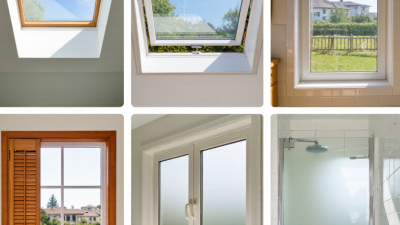
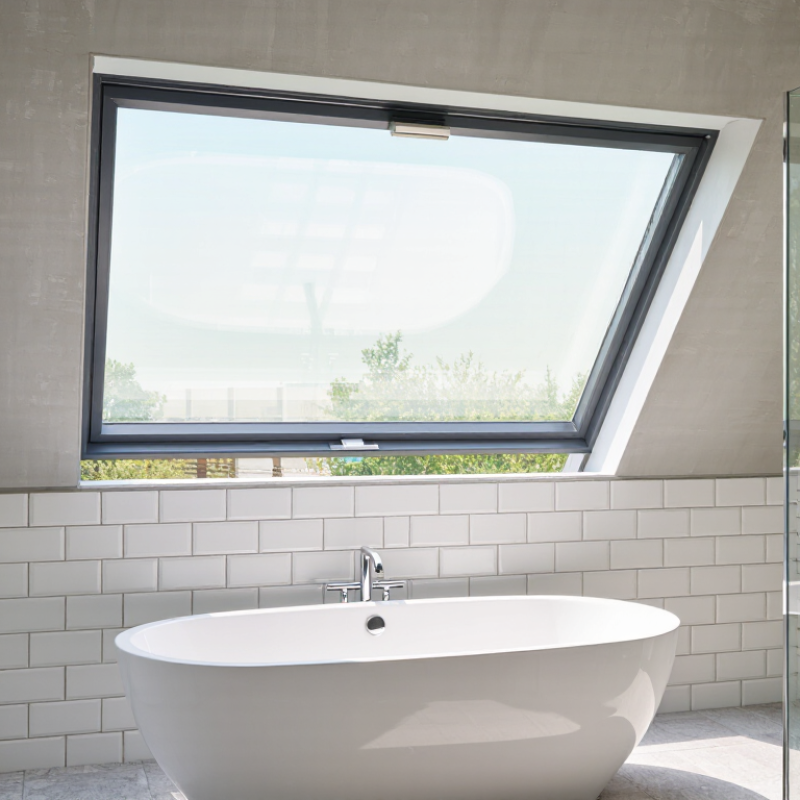
Start by considering the room’s layout and the view outside. A frosted or textured pane can soften incoming light while obscuring sightlines. An awning-style window may let you ventilate during light rain, while a fixed unit can suit spaces where airflow comes from an exhaust fan. Frame materials and hardware also need to stand up to humidity. Ask a qualified installer about suitable glazing, ventilation, and local building requirements before choosing a model.
There is no perfect option for every bathroom. A small window may brighten a shower alcove, yet still provide little useful ventilation. Measure carefully, note where water regularly splashes, and think about who can see in after dark. Privacy matters too. This guide compares window styles, materials, glass, and placement so you can make a confident choice. Some advice will depend on your climate and home; even careful planning cannot remove every trade-off.
Assess Privacy, Natural Light, and Ventilation Needs
A bathroom window must balance privacy, daylight, and fresh air. Start by checking sightlines from neighboring windows, paths, and nearby buildings. A high sill can block direct views while still admitting daylight. Obscure glazing helps, but test it after dark: a lit bathroom can reveal more silhouettes than expected. I would check from outside, too.
Daylight makes a small room feel less enclosed. Yet a large, clear pane may create glare and weaken privacy. The U.S. Department of Energy reports that windows account for about 25%–30% of residential heating and cooling energy use. That figure is a reminder to consider glazing performance, not just window size. A smaller, well-placed window may suit the room better. I would still compare samples beside the actual wall; showroom light can mislead.
Ventilation needs a practical plan. An operable window can release steam, but its usefulness depends on weather, outdoor air, and whether someone remembers to open it. ASHRAE Standard 62.2 specifies bathroom exhaust rates of 50 cubic feet per minute intermittently or 20 continuously. A window should not be the only moisture-control measure. Look for an easy-to-reach opening and pair it with effective exhaust. Then check whether the window’s position sends airflow across the wet area, not just past the doorway.
Choose a Window Style That Fits the Bathroom Layout
Choose a bathroom window that works with the room’s shape, not just its view. In a narrow bathroom, a horizontal awning window can sit above a tub or counter without using much wall space. It opens outward, so check that it will not hit a fence, path, or nearby structure. A sliding window avoids an inward swing, which can matter when a toilet or vanity sits close by. Measure twice.
In a small room, even a few inches of clearance can change how easily you move around. A tall, narrow casement window may fit between fixtures and provide useful ventilation, but its opening needs room outside. For a ground-floor bathroom, a higher window can bring in daylight while reducing direct sightlines. Privacy glass helps, though it may soften the view more than expected.
Think about moisture and daily use, too. Choose suitable hardware and frames for a damp space, and consider how the window works alongside an exhaust fan. A window is not a substitute for ventilation when outdoor conditions keep it closed. Before ordering, check the opening direction, wall dimensions, and local requirements with a qualified installer. A larger window may look generous on a plan, yet feel awkward beside a mirror or shower screen. It is worth revisiting the layout before committing.
Compare Glazing and Frame Materials for Moisture Resistance
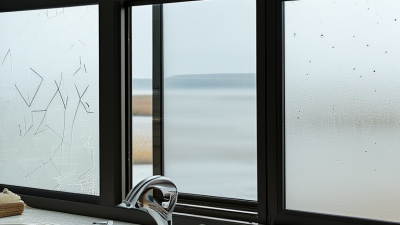
Bathroom moisture tests both the glass and the frame. Choose glazing that balances privacy, light, and insulation. Frosted or patterned glass softens the view while still bringing daylight into a small room. Double glazing can reduce heat loss and limit cold interior surfaces, where condensation often forms. Safety glazing may also be appropriate, especially near a bath or shower; check local building requirements.
Frame materials need different care. Vinyl resists moisture and usually needs only occasional cleaning, but quality and installation still matter. Fiberglass is stable through temperature changes and handles damp conditions well. Aluminum is durable, though a thermal break helps reduce heat transfer and condensation. Wood can look warm, but its finish and seals need regular inspection. No frame is maintenance-free. That claim deserves skepticism. Even a suitable window can develop problems if water pools at the sill or ventilation is weak.
Tips: Run the exhaust fan during showers and afterward. Wipe standing water from the sill. Check caulk and seals for gaps or peeling, especially after seasonal temperature changes. A small inspection now can prevent a much larger repair later.
How to Choose the Best Bathroom Window?
Compare the moisture resistance of common glazing and frame materials.
How to read the chart: Ratings are qualitative comparisons on a 1–5 scale, not standardized test results. Glass itself resists moisture well, while insulated-glass edge seals and window hardware still need sound installation and maintenance. Frame performance also depends on finish, construction, and upkeep.
Select Window Size and Placement for Comfort and Efficiency
How to Choose the Best Bathroom Window?
A bathroom window should bring in daylight without putting privacy at risk. Choose its size by considering the wall, nearby fixtures, and views from outside. A narrow, high window can brighten the room while keeping sightlines away from the shower. For a larger opening, obscure glass can soften views and spread light. There is no single ideal size; even a small window can make a dim room feel more welcoming.
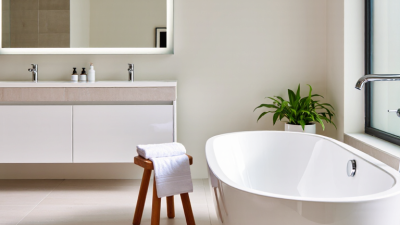
Placement affects comfort as much as appearance. A window near the shower may help release moisture, but it should be suited to a damp setting. An operable sash can support ventilation, though it does not replace an exhaust fan. Consider the direction of sunlight, too: strong afternoon sun may cause glare or add unwanted heat. Check how the window sits beside mirrors and towel hooks. Small details matter. It is easy to focus on daylight and overlook a chilly draft near the tub.
Tips: Before choosing, stand where you usually dress and check the outside sightline. Compare window dimensions with the wall area, and ask an installer about glazing suited to your climate. Measure twice. A quick sketch can reveal awkward placement before work begins.
Check Safety, Privacy, and Local Building Requirements
A bathroom window should admit daylight without exposing someone at the tub. Privacy matters. Frosted or textured glass softens views, while a higher sill can reduce sightlines from neighboring homes. Keep ventilation in mind: an operable window may help clear steam, but its latch should remain reachable without leaning over a wet tub. I would not assume a curtain alone solves privacy; gaps appear when it shifts.
Safety and code deserve equal attention. The U.S. Consumer Product Safety Commission’s window-fall guidance reports that more than 3,300 children aged five and younger receive emergency-room treatment annually after window falls. In bathrooms, consider tempered or other safety glazing where required near tubs and showers. The 2021 International Residential Code identifies glazing in certain locations near bathing areas as hazardous, but local jurisdictions may adopt different editions or amendments. Check locally. Ask the building department whether permits, safety-glazing rules, ventilation requirements, or emergency-exit provisions apply to your specific opening. Egress rules usually concern designated escape openings, not every bathroom window, so confirm before replacing or resizing one. Measure from the tub’s standing surface, not just the floor; that detail is easy to miss.
 Skip to content